
Building a Resilient Home Sanctuary for Peace of Mind
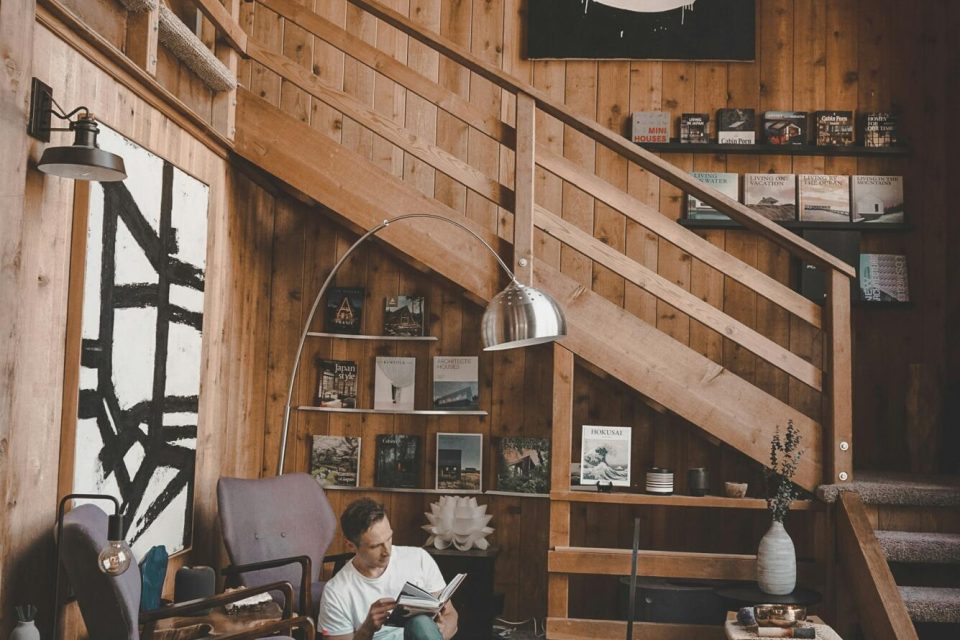
A safe and peaceful home requires more than comfort alone. Families also need practical systems that support security during daily challenges and emergencies. A resilient home sanctuary helps people feel calmer, safer, and more prepared in uncertain situations.
Small improvements in organization, maintenance, and preparedness can make a lasting difference. Many homeowners now focus on creating spaces that support both physical safety and emotional well-being. Reliable routines and smart planning help reduce stress inside the home.
Continue reading to discover simple ways to build a resilient home sanctuary for greater peace of mind.
Creating Safe and Comfortable Living Areas
A strong home starts with spaces that feel calm and easy to manage. Clean and open rooms reduce stress during busy days. Good lighting also helps people move safely through the house. Comfortable seating supports both rest and recovery after long work hours.
Soft colors and organized furniture can make the home feel more peaceful. Families should also keep walkways free from clutter to avoid accidents. Simple storage systems help everyone find important items quickly. Natural airflow improves comfort and helps indoor spaces feel fresh. A well-planned living area supports both safety and emotional balance.
Strengthening Home Emergency Plans
Every household benefits from a clear emergency plan. Family members should know where to go during storms or fires. Emergency contact numbers should stay in easy-to-reach places. It also helps to practice simple safety drills several times each year. Parents can teach children how to respond calmly during emergencies.
Basic supplies like flashlights and batteries should stay together in one location. Important papers should also remain protected in waterproof containers. A good plan reduces confusion during stressful situations. Strong preparation creates more confidence and peace inside the home.
Improving Indoor Air and Water Quality
Clean air and safe water support a healthier home environment. Air filters should be checked and replaced on schedule. Dust and mold can build up quickly in poorly maintained spaces. Proper ventilation helps reduce indoor moisture and stale air. Families should also inspect plumbing systems for leaks or contamination.
Water filters can improve drinking quality in many homes. Houseplants may also support cleaner indoor air when cared for properly. Simple cleaning routines help reduce allergens and bacteria. Healthy indoor conditions support long-term comfort and wellness.
Building Reliable Power Backup Systems
Power outages can affect comfort, communication, and safety. Backup power systems help homes stay functional during emergencies. Many families choose generators to support important appliances and lighting. Fuel should always be stored carefully to reduce safety risks. Learning about generator fuel storage best practices helps homeowners protect both their equipment and property during long-term use.
Backup batteries also support communication devices during blackouts. Regular testing helps ensure systems work when needed most. Extension cords and power sources should remain organized and easy to access. Reliable backup systems provide extra peace of mind during difficult conditions.
Organizing Essential Household Supplies
Well-organized supplies help families respond faster during emergencies. Food and water should remain stored in safe and clean conditions. Expiration dates need regular checking to avoid waste. First aid kits should stay fully stocked and easy to locate. Blankets, medications, and hygiene items also support comfort during stressful events.
Clear labels make storage systems easier for everyone to understand. Storage bins help protect items from moisture and damage. Families should keep enough supplies for several days if possible. A good organization supports faster action and less stress.
Designing Calm and Quiet Spaces
Every home needs an area that supports relaxation and mental rest. Quiet spaces help people recover from stress and daily pressure. Soft lighting can create a calmer atmosphere during the evening. Comfortable textures also help rooms feel warm and inviting.
Many people enjoy reading, stretching, or meditating in peaceful corners of the home. Noise reduction methods can improve sleep and concentration. Curtains, rugs, and furniture help absorb extra sound indoors. Personal items and meaningful decorations also create emotional comfort. Calm spaces support stronger emotional health for the whole household.
Maintaining Strong Home Security Habits
Good security habits help protect both people and property. Doors and windows should stay locked when not in use. Outdoor lighting helps reduce hidden areas around the home. Security cameras may also support better awareness during nighttime hours.
Families should avoid sharing travel plans publicly online. Emergency numbers should stay updated in every phone. Neighbors can also help watch homes during vacations or long absences. Regular safety checks help identify weak areas before problems grow. Consistent habits build a stronger sense of security every day.
Preparing Outdoor Areas for Harsh Weather
Outdoor spaces also need protection during storms and severe weather. Loose items should be secured before strong winds arrive. Gutters and drains must stay clear to reduce flooding risks. Trees should be trimmed regularly to prevent falling branches.
Outdoor lighting supports safer movement at night and during power outages. Families should also inspect fences and gates for damage. Garden tools and equipment need safe storage during bad weather. Strong outdoor preparation helps reduce property damage and injury risks. Careful maintenance supports a safer and more dependable home environment.
Supporting Healthy Daily Routines at Home
Simple routines help homes feel more stable and balanced. Regular meal times support physical health and family connection. Sleep schedules also improve focus and emotional well-being. Families should create time for exercise and fresh air each day. Organized cleaning schedules help reduce stress and confusion.
Children often feel safer when routines stay predictable. Shared household responsibilities also build teamwork and accountability. Daily habits create structure during uncertain situations. Healthy routines support long-term comfort and peace of mind.
Practicing Regular Home Maintenance
Routine maintenance helps prevent larger problems over time. Homeowners should inspect roofs, pipes, and electrical systems regularly. Small repairs often become more costly when ignored. Smoke alarms and carbon monoxide detectors should be tested often. Heating and cooling systems also need regular servicing for safe performance.
Clean gutters help protect the home from water damage. Strong maintenance habits improve both comfort and property value. Families should keep simple repair tools available when needed.
Consider Building a Resilient Home Sanctuary for Peace of Mind
A peaceful home depends on both comfort and preparation. Families feel more secure when safety systems stay organized and reliable. Simple habits often create the strongest protection during stressful situations. A resilient home sanctuary supports emotional balance as well as physical safety.
Careful planning also helps households respond better during emergencies and daily challenges. Small improvements made over time can strengthen the home in lasting ways.