
Caring for Your Roof: Cleaning and Maintenance Tips for a Longer Lifespan
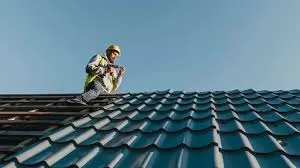
In Tampa Bay, a roof endures a wide range of weather conditions, from intense sunlight and humidity to heavy rain and seasonal storms. Whether planning for long-term durability or preparing for a potential roof repair or replacement, homeowners greatly benefit from regular upkeep. A professional roofer may be called in for major maintenance, but many routine tasks can help preserve your roof’s condition between service visits.
Proper cleaning and maintenance extend the life of your roof, protect your home’s structure, and reduce the likelihood of unexpected issues. Understanding what to look for and how to maintain your roof safely helps you catch signs of wear before they become more serious problems.
Keeping Your Roof Clear of Debris
Leaves, branches, pine needles, and other debris tend to collect on roofs, especially after storms or during the fall season. This buildup can trap moisture against the roofing material, leading to the growth of mold or algae and accelerating deterioration. In valleys and along the eaves, wet debris can also block water flow and cause pooling, increasing the chance of leaks.
To prevent these problems, gently remove debris using a soft-bristled broom or a leaf blower. Avoid using pressure washers, as they can damage shingles and other roof materials. If access is difficult or safety is a concern, consider hiring a roofing professional to handle the cleaning.
Managing Algae and Moss Growth
In humid climates like Tampa Bay, roof surfaces often develop dark streaks or patches due to the growth of algae and moss. While they may not appear threatening at first, these organisms retain moisture, which can weaken roofing materials over time.
To remove algae or moss, apply a roof-safe cleaning solution designed for this purpose. Solutions containing diluted bleach and water can be effective, but they must be used carefully to avoid harming plants or staining siding. Always rinse the area thoroughly, and apply the cleaner during overcast conditions to prevent it from evaporating too quickly.
Avoid installing copper or zinc strips near the ridge of the roof, as these can slowly release metal ions that discourage future growth. Rainwater will help distribute these ions across the surface, creating a more resistant environment.
Inspecting Gutters and Downspouts
Roof maintenance also includes attention to the gutter system. Clogged gutters can cause water to back up onto the roof, especially during Florida’s rainy season. Over time, this can lead to damage at the roof’s edge or even inside the attic.
Clear gutters and downspouts of debris at least twice a year or more often if your property has many nearby trees. Ensure that water flows freely and that all components are securely fastened to the house. If sagging or leaks are detected, repair or replace the affected sections to maintain proper drainage.
Looking for Signs of Wear and Minor Damage
As part of your maintenance routine, visually inspect the roof for missing or damaged shingles, curling edges, or exposed fasteners. Pay close attention to areas around chimneys, vents, skylights, and flashing, as these points are more susceptible to leaks.
Also, check the attic for signs of moisture, mold, or daylight coming through the roof deck. Unpleasant odors or damp insulation can also indicate a developing leak. Addressing these issues early allows for simpler roof repair and helps delay the need for a complete roof replacement.
Trimming Overhanging Branches
Trees near the home can enhance shade and beauty, but overhanging limbs pose a risk to the roof. In strong winds, branches may scrape or puncture the roof surface, while falling debris accelerates wear. Trim back limbs so they remain at least several feet away from the roof to minimize contact and allow air to circulate.
In addition to protecting the roof, trimming also helps reduce the frequency of gutter clogs and prevents animals from gaining access to the roofline or attic.
Establishing a Maintenance Schedule
Roof care is most effective when performed on a consistent schedule. Semiannual inspections and cleanings—typically in spring and fall—provide an opportunity to identify concerns early and prepare for seasonal weather changes. For added assurance, consider having a professional roofer perform a more thorough inspection every few years, particularly if your roof is older.
Whether you are maintaining a newer roof or trying to extend the life of an aging system, routine cleaning and inspection are smart habits for any homeowner. In Tampa Bay, where moisture and storms can significantly impact roof longevity, these efforts help delay roof replacement and reduce the likelihood of unexpected roof repairs. For personalized guidance or expert service when professional help is needed, Avatar Roofing offers trusted experience and care with every roofing project.