
Castings and Forgings Machining: Everything You Need to Know
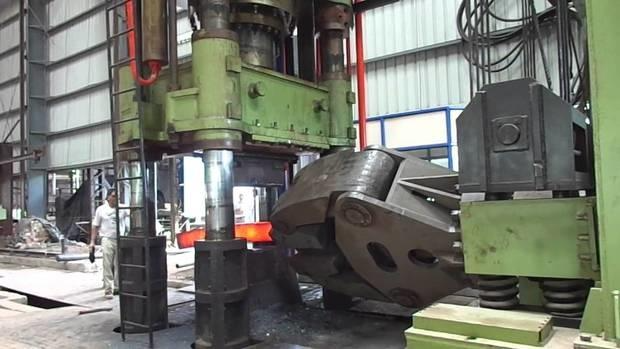
When it comes to manufacturing, castings and forgings machining plays a huge role in ensuring high-quality, durable parts. Whether you’re a seasoned engineer or someone curious about the process, you’ve likely heard these terms before. But what exactly does it all mean, and how does it work? In this article, we’re diving into castings and forgings machining in a simple, friendly way to help you understand everything from the basics to the benefits of this essential process.
What are Castings and Forgings?
Before we get into machining, let’s quickly understand what castings and forgings are.
Casting is the process where metal is poured into a mold and allowed to cool and solidify into a specific shape. It’s often used for complex shapes and parts that would be difficult to produce using other methods.
Forging, on the other hand, involves shaping metal using compressive forces, often at high temperatures. Think of a blacksmith hammering a piece of metal to shape it. Forged parts are known for being incredibly strong and durable.
Both casting and forging have their unique applications, and understanding these methods is key to how machining steps come into play.
The Importance of Machining in Castings and Forgings
Now, here’s where machining enters the picture. After metals are cast or forged, they often need further refinement to meet the precise specifications required for their end use. This is where castings and forgings machining comes in.
Machining is the process of removing material from a workpiece to shape it into the desired final form. It can involve techniques like turning, milling, drilling, or grinding. The goal? To get those raw castings and forgings into perfect shape, smooth out rough edges, and ensure a perfect fit for their intended purpose.
How Castings and Forgings Machining Works
Machining is typically carried out using high-precision machines like CNC machines, which are automated and can perform very detailed and complex operations. These machines use computer programs to guide tools that shape the workpiece. For example, a casting might start as a rough shape, and machining would clean it up, making sure it’s smooth, level, and ready for use.
Whether it’s a forged part that needs drilling for assembly or a cast part that requires fine-tuning, machining is critical to achieving the desired specifications and tolerances.
Types of Machining for Castings and Forgings
There are a few different types of machining processes used for castings and forgings. Here are some of the most common ones:
- Turning: This is when a piece is rotated while a cutting tool removes material. It’s often used for cylindrical parts.
- Milling: Milling involves using rotary cutters to remove material. It’s great for shaping flat surfaces or creating slots and grooves.
- Grinding: Used for finishing surfaces, grinding ensures parts are smooth and have the correct dimensions.
- Drilling: When holes need to be created, drilling is the go-to method. It’s used in both castings and forgings.
Each of these techniques is chosen based on the type of material, its shape, and what the end part needs to do.
Why is Castings and Forgings Machining So Important?
You might be wondering, why can’t we just use a casting or forging as-is without machining it? The truth is, machining provides the precision and accuracy needed to meet strict industry standards. Castings and forgings might be tough, but they rarely come out of the process perfect. Machining ensures that they fit precisely into whatever assembly they are part of, whether it’s a car engine, aerospace part, or medical device.
Without machining, there could be defects or inconsistencies that impact the performance, strength, or safety of the part. Simply put, machining is what gives castings and forgings their perfect finish.
Materials Used in Castings and Forgings
The materials used in castings and forgings machining vary depending on the application. Some of the most commonly used materials include:
- Steel: Known for its strength and versatility.
- Aluminum: Lightweight and great for applications where weight matters.
- Titanium: Extremely strong, corrosion-resistant, and ideal for aerospace or medical parts.
- Copper and Brass: Used for electrical and plumbing applications due to their conductivity.
Each of these materials behaves differently under machining, which is why the process has to be adapted for each one.
Benefits of Castings and Forgings Machining
Why go through the effort of machining when casting and forging already create strong parts? Well, here are some reasons why machining is essential:
- Precision and Accuracy: Castings and forgings are rough and need machining to bring them to exact specifications.
- Improved Surface Finish: Machining smooths out rough edges and imperfections.
- Customization: Sometimes, a part needs modifications or adjustments. Machining allows for this flexibility.
- Increased Strength: The machining process can help reduce stress points, improving the overall strength of the part.
In short, machining allows manufacturers to turn a simple casting or forging into a part that’s ready for use, meeting the highest standards.
Challenges in Castings and Forgings Machining
While castings and forgings machining offers numerous benefits, it’s not without its challenges. Some of the most common issues include:
- Tool Wear: Due to the tough materials being machined, tools can wear down quickly. This requires regular maintenance and replacement.
- Heat Management: Metals can get very hot during machining, which can affect the material properties. Special techniques need to be used to handle the heat.
- Complexity: Some castings and forgings require intricate machining, which can be time-consuming and requires high skill levels.
However, with the right equipment and expertise, these challenges can be overcome, ensuring high-quality products every time.
The Future of Castings and Forgings Machining
The world of castings and forgings machining is always evolving. As industries demand more precision and efficiency, new technologies are emerging to meet these needs. For instance, 3D printing and additive manufacturing are playing a growing role in creating prototypes or even parts that were once exclusively produced through casting or forging.
Similarly, advancements in CNC machines and software are making machining processes faster, more accurate, and cost-effective. As these technologies continue to develop, the future of machining is looking brighter than ever.
Conclusion
In conclusion, castings and forgings machining is a critical part of modern manufacturing. It ensures that the raw products are transformed into high-quality, precise components used in everything from cars to medical devices. Whether it’s refining cast parts or shaping forged metals, machining is what gives these materials their strength, accuracy, and durability.
By understanding the importance of machining in castings and forgings, you can see how vital it is to various industries. So, next time you come across a tough part, remember that behind it is a machining process making sure everything fits just right!
If you’re in the manufacturing industry or just starting to learn about these processes, we hope this article gave you a better understanding of how castings and forgings machining works and why it’s so important. Stay tuned for more insights, and let us know if you have any questions!