
Checklist for Maintaining Optimal Air Quality in Industrial Settings
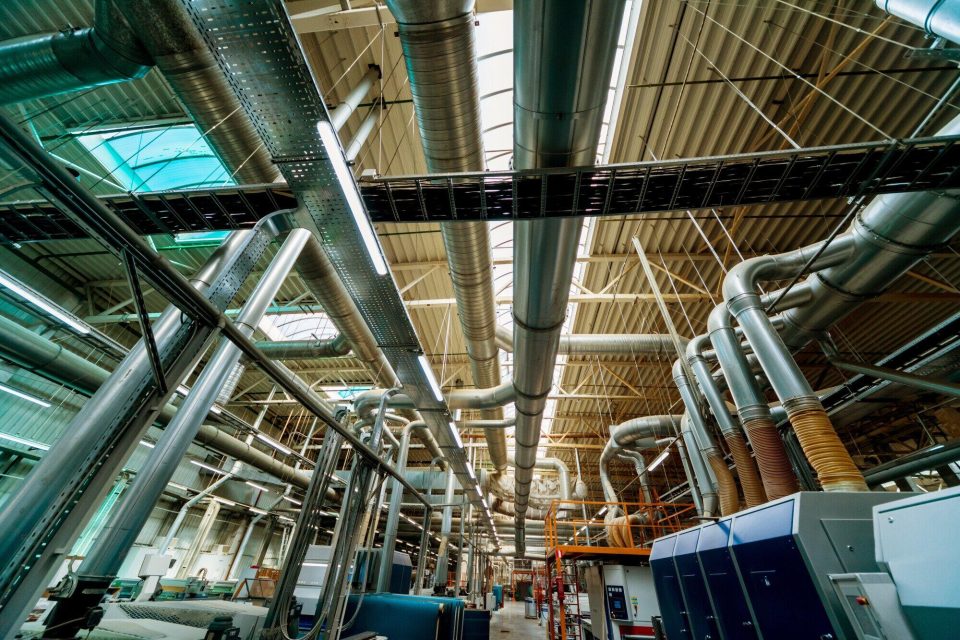
Air quality plays a major role in protecting workers and equipment in industrial settings. Poor air conditions can lead to health risks, lower productivity, and even costly damage to machinery.
Clean air also supports compliance with safety standards and regulations. With the right steps, facilities can ensure a healthier space and longer equipment life.
Use this checklist to stay on track with air care and make improvements where needed.
Regular Air Quality Monitoring
Checking air quality levels on a set schedule is vital for safety and compliance. Monitoring identifies harmful particles and gases that may not be visible. Devices that track air conditions provide accurate readings for early action.
Data collected over time helps spot patterns and recurring issues. Regular checks also support compliance reports required in many industries. Keeping records ensures the facility can respond to issues quickly and effectively.
Ventilation System Maintenance
Good ventilation prevents buildup of harmful fumes and particles. Regular inspection of ducts and vents helps reduce clogs and leaks. Cleaning systems on schedule improves airflow and overall air quality.
Damaged parts should be replaced quickly to avoid downtime. Workers should also be trained to notice signs of poor airflow. Strong ventilation remains one of the most important steps for safe air circulation.
Use of Proper Filtration Systems
Industrial areas often release fine particles and chemicals into the air. Installing the right filters can help trap these before they spread. An air filter cleaner can improve the performance and lifespan of the system.
Filters should be replaced or serviced according to use levels. Using the correct size and type of filter ensures maximum effectiveness. Clean filters not only protect workers but also reduce strain on machines.
Control of Dust and Debris
Dust in industrial spaces builds up quickly and impacts air safety. Regular cleaning reduces the amount of harmful particles in the air. Dust collectors and vacuum systems should be used in high-dust areas.
Floors and workstations should be kept clear of debris to prevent circulation. Employees should wear protective equipment when working in dusty zones. Controlling dust also improves equipment performance and reduces maintenance needs.
Employee Training and Awareness
Workers play a big role in maintaining good air quality. Training ensures they understand the importance of safe air practices. Employees should know how to use monitoring devices and spot warning signs.
Clear procedures should be in place for reporting air issues. Awareness programs remind workers to follow rules that protect air safety. When staff is well informed, the workplace becomes safer and healthier for everyone.
Scheduled Professional Inspections
Professional inspections provide a deeper review of air systems. Experts can identify issues that routine checks may miss. These inspections often include detailed testing of equipment and air samples.
Recommendations from specialists help facilities plan better upgrades. Scheduled visits also support compliance with industry regulations. Professional insight gives confidence that the workplace maintains optimal air quality.
You Should Maintain Optimal Air Quality in Industrial Settings
Maintaining air quality in industrial settings takes consistent effort and planning. Regular checks, system maintenance, and proper training all play a part.
A clear checklist helps facilities stay on track and protect workers. When air quality is prioritized, health, safety, and efficiency improve across the workplace.