
Expert Tips for Choosing the Best Sidewalk Salt for Your Property
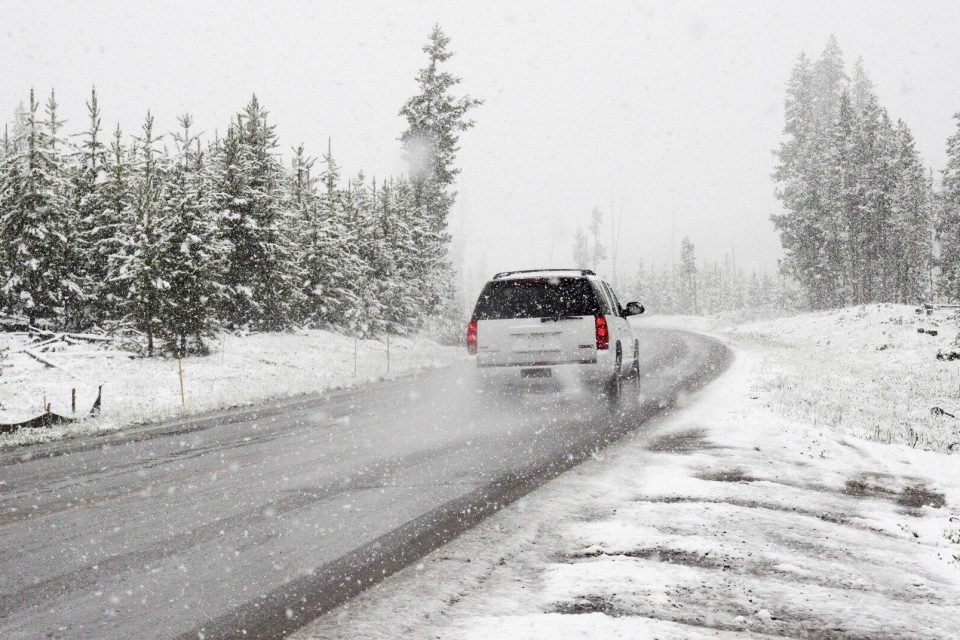
Winter brings icy sidewalks that can become dangerous quickly. Keeping them safe requires the right type of sidewalk salt. But with so many options available, how do you choose wisely?
Each type has benefits and possible drawbacks worth considering carefully. Picking the wrong product may cause damage or waste money. The right choice makes walking safer for everyone on your property.
In this guide, you’ll find helpful advice for smart decisions. Ready to discover expert tips that truly make winter easier? Keep reading.
Understand Different Types of Sidewalk Salt
Not all salts are the same when treating icy sidewalks. Common types include rock salt, calcium chloride, and magnesium chloride. Each type has different melting temperatures and levels of effectiveness.
Rock salt is widely used but may harm plants or concrete. Calcium chloride works in colder conditions and acts faster on ice.
Magnesium chloride is gentler but often costs more for large areas. Knowing these differences helps you choose wisely.
Consider Environmental and Pet Safety
Sidewalk salt can impact the environment and nearby animals. Some products may burn grass or harm plants during winter. Certain salts irritate pets’ paws and can affect their health.
Calcium chloride and magnesium chloride are usually safer for pets. Sand or salt blends can reduce harm while still melting ice. Look for products labeled as pet safe or environmentally friendly.
These choices protect your yard, pets, and community spaces. Safer salt options make sidewalks secure without unnecessary risks each season.
Think About Application and Ease of Use
How you apply sidewalk salt matters as much as the type chosen. Some products spread more evenly and require less overall effort. Pellets often scatter better and cover wider paths efficiently.
Finer salt may clump or scatter unevenly in windy weather. Some options are safer for spreading equipment, reducing damage, or clogging. Clear instructions on the packaging help avoid mistakes when applying salt.
Choosing a product that’s easy to use saves time. Simple spreading also ensures sidewalks stay safe without repeated applications.
Compare Costs and Long-Term Value
Salt prices vary, but the cheapest isn’t always best long term. Low-cost salt may damage sidewalks, driveways, or nearby landscaping. Road salt, for example, is affordable and effective for large areas.
However, damage repair often costs more than safer salt options. Premium products may seem expensive, but they protect property from harm. Using less of a strong product often saves money overall.
Balancing cost with quality ensures sidewalks stay safe and long-lasting. Smart choices give value now and benefits in the future.
Match Salt to Your Local Weather Conditions
Different regions experience unique winter conditions that affect salt performance. Colder areas may require products that melt ice at lower temperatures. Calcium chloride and magnesium chloride work well in extreme cold conditions.
Warmer climates may need only standard rock salt or blends. Matching salt type to climate prevents waste and keeps sidewalks safe.
The weather also impacts how often salt must be applied effectively. Consider forecasts and local averages when stocking up on products.
Your Best Solution for Winter Safety
Choosing the best sidewalk salt is about more than price. It requires balancing safety, property care, and ease of use. By learning about salt types, you can make smarter choices.
Considering pets, plants, and weather conditions avoids problems later. Looking at both short-term and long-term costs saves money.
The right salt keeps sidewalks safe, protects property, and reduces winter stress. With these expert tips, you can choose wisely and prepare ahead.
Did you find this article helpful? If so, check out the rest of our site for more informative content.