
Fleur-de-lis Hidden Meaning in Religion and Culture
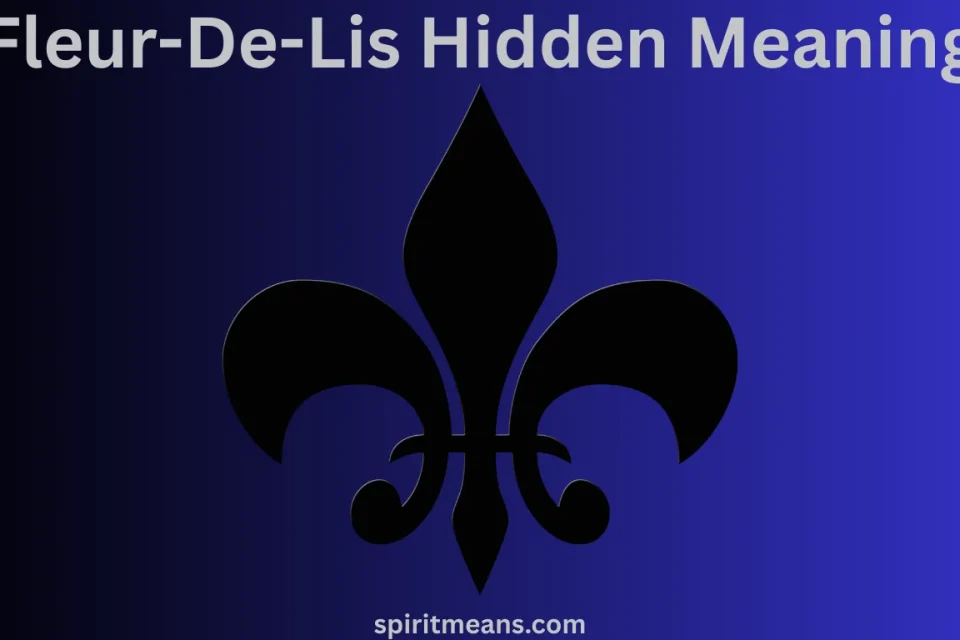
The fleur-de-lis hidden meaning is one of the most fascinating topics in history and symbolism. For centuries, this elegant design has appeared on flags, shields, clothing, and even modern fashion items. At first sight, it looks like a beautiful flower. But when you look closer, it tells stories about faith, royalty, and cultural pride. This symbol has crossed borders and traveled through time, always holding layers of meaning that go far beyond decoration.
The Shape of the Fleur-de-lis
The design is a stylized lily or iris, drawn with three distinct petals bound at the base. Artists and rulers valued it because it is simple, symmetrical, and easy to recognize. While it began in France, the symbol is now known worldwide. The three petals make it instantly recognizable and open the door to different interpretations.
Religious Meaning and Spiritual Layers
The fleur-de-lis hidden meaning is deeply connected to religion. In Christianity, it stands for the Holy Trinity: the Father, Son, and Holy Spirit. The tied base shows unity, reminding believers of God’s eternal bond. Another link comes from the Virgin Mary, who is often associated with lilies as a sign of purity and grace.
During the Middle Ages, many churches carved the fleur-de-lis into their walls, windows, and altars. It reminded worshippers of faith and divine presence. Some scholars even connect it to the idea of moral guidance, saying the symbol always points upward like an arrow toward God.
Royal Power and Authority
The symbol also became a mark of kingship. French monarchs adopted it to show their power was given by God. According to legend, Clovis I, the first Christian king of the Franks, received a lily from heaven during his baptism. Whether true or not, this story gave the fleur-de-lis holy approval.
By the time of Louis VII, the symbol appeared on shields, banners, and royal robes. It turned into a badge of divine right, showing that rulers had both political and spiritual authority. This hidden message helped kings keep their people loyal and united.
Table of Symbolic Meanings
Here is a quick overview of the key meanings in different contexts:
| Context | Meaning |
| Religion | Holy Trinity, purity, Virgin Mary |
| Royalty | Divine right, authority, sacred kingship |
| Culture | Heritage, unity, pride |
| Scouts & Symbols | Direction, duty, service |
Cultural Expansion Across the World
The fleur-de-lis did not remain only in France. It spread across Europe and later to the Americas. In Quebec, Canada, the provincial flag features the fleur-de-lis to honor French heritage. In the United States, New Orleans adopted it as a proud symbol of its French and Creole roots. After Hurricane Katrina, locals rallied around it as a sign of strength and resilience.
In Italy and Spain, variations of the design appeared in coats of arms and city emblems. Each use added a new layer of meaning, connecting the symbol to family honor, faith, or civic pride.

Use in the Boy Scouts and Guiding
The fleur-de-lis hidden meaning also reached the world of scouting. Lord Baden-Powell chose it for the Scout badge because it resembles a compass needle pointing north. This suggested guidance and direction, key values for young Scouts. The three petals were reinterpreted as the three Scout promises: duty to God and country, helping others, and following the Scout Law.
This simple adaptation showed how flexible the symbol could be. It adjusted to new times while keeping its classic three-point shape.
Artistic and Design Value
Beyond religion and royalty, the fleur-de-lis is loved for its artistic grace. Gothic architecture often used it in stained glass, ironwork, and wood carvings. Today, you will see it on gates, jewelry, fabrics, and even furniture. Designers like it because it blends elegance with tradition.
In modern times, fashion brands, sports teams, and even video games use the fleur-de-lis. For example, the NFL team New Orleans Saints features it in their logo. This proves that the symbol continues to inspire, carrying history into new contexts.
Esoteric and Hidden Interpretations
Some people explore a deeper fleur-de-lis hidden meaning in esoteric traditions. In alchemy, the three petals may represent mind, body, and spirit working in harmony. In some secret societies, it symbolizes enlightenment and moral integrity. These interpretations show how a single design can carry spiritual lessons far beyond its surface beauty.
Even in literature, poets and writers used it to suggest mystery, rebirth, or noble ideals. Its layered history makes it a favorite for anyone seeking hidden wisdom in symbols.
Modern Use and Rebirth
The fleur-de-lis still holds strong in the modern world. After Hurricane Katrina, New Orleans used it as a mark of rebirth and resilience. In Quebec, it continues to mark identity and cultural pride. In weddings, jewelry, and tattoos, it often means love, loyalty, or guidance.
This flexibility shows that while times change, the symbol adapts. It bridges past and present, linking heritage with modern identity.
Frequently Asked Questions
What is the hidden meaning of the fleur-de-lis?
It stands for purity, faith, divine right of kings, and cultural pride. Its three petals often connect to the Trinity or virtues.
Why is it used in scouting?
Because it looks like a compass pointing north, guiding young Scouts. It also reflects their three promises.
Did kings really believe it gave them power?
Yes, many rulers used it to claim God gave them authority. It made their reign feel holy and unquestionable.
Where do we still see it today?
On flags of Quebec and New Orleans, in Scout badges, sports logos, jewelry, and artistic design worldwide.
Is it only French?
No, while it began in France, it spread to Italy, Spain, Canada, the U.S., and other cultures with unique meanings.
Conclusion
The fleur-de-lis hidden meaning runs deep, weaving together faith, kingship, culture, and art. What began as a flower design grew into a mark of purity, divine rule, and community pride. Across centuries, it adapted to scouting, national flags, and modern design.
It is more than decoration. It is a living symbol that carries stories of unity, identity, and resilience. Whether carved in stone, printed on a flag, or inked as a tattoo, it continues to speak of the values people hold dear.