
Hot Weather Risks for Seniors and How to Prevent Them
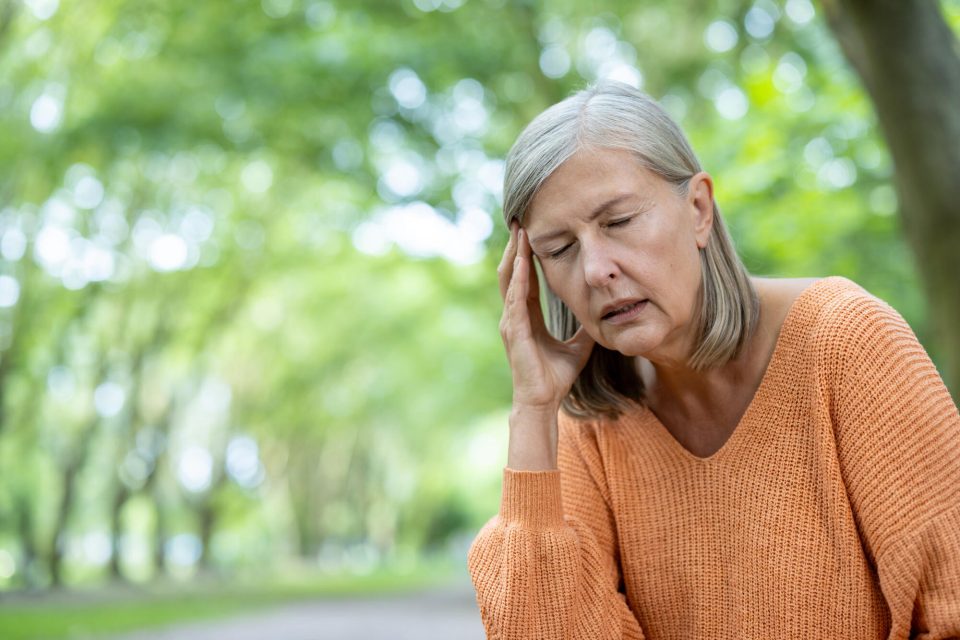
Seniors face added risks when temperatures rise. Older adults often don’t feel heat as quickly as younger people. Their bodies take longer to cool down.
Certain medications and health conditions can make it harder to manage heat. Dehydration can also set in faster. Families need to stay alert during summer. Know what to look out for and act early to prevent issues.
Learn more about hot weather risks for seniors and how to protect them below.
Dehydration and Heat Exhaustion
Seniors are more likely to get dehydrated because their sense of thirst declines with age. When they don’t drink enough fluids, the body can’t regulate temperature well. Heat exhaustion can follow quickly after dehydration.
Symptoms include dizziness, headache, and heavy sweating. Some may feel weak or confused. It’s important to offer water regularly throughout the day. Avoid caffeine and alcohol since they make dehydration worse.
Make sure they rest in cool areas during the hottest hours. Recognizing early signs can stop problems before they worsen.
Heat Stroke
Heat stroke is a serious medical emergency. It happens when the body temperature rises above 104°F. Seniors are at high risk due to less efficient temperature regulation.
Confusion, rapid pulse, and flushed skin are common signs. They may also faint or have trouble walking. If not treated quickly, heat stroke can cause lasting damage or death.
Move them to shade or indoors, and use cool water or ice packs. Call emergency services right away. Simple steps can save a life.
Medication Side Effects
Many medications can make it harder to stay cool. Some affect sweating, while others change how the body handles fluids. Seniors who take heart or blood pressure drugs may be at higher risk.
These medications can also raise sensitivity to sunlight. Talk to a healthcare provider about heat-related side effects. Adjusting medication times or doses might help.
Keep track of how the person feels in warm conditions. Store medications properly, away from heat. Managing this well supports warm weather safety for seniors.
Isolation and Lack of Help
Seniors who live alone may not notice heat symptoms right away. Without daily check-ins, small issues can become serious. They might not open windows or turn on fans due to cost concerns.
Some may avoid asking for help out of pride or fear. Community support can make a big difference. Set up regular calls or visits during heatwaves. Neighbors and family should watch for signs of distress.
Local programs often offer cooling centers or rides. A little contact goes a long way in keeping them safe.
Inadequate Cooling at Home
Not all seniors have access to proper cooling systems. Some rely on fans, which may not be enough during extreme heat. Air conditioning helps regulate indoor temperatures, but high energy costs often prevent its use.
Poor ventilation can also trap heat inside the home. Seniors may avoid opening windows for safety reasons. Curtains and blinds should be kept closed during the day to block heat.
Encourage using cool showers or damp towels for relief. Lightweight, breathable clothing also helps. Making simple adjustments at home can prevent overheating.
Learn About Hot Weather Risks for Seniors and How to Prevent Them
Hot weather can quickly become dangerous for seniors. Understanding the risks helps prevent health problems. Stay alert for symptoms of heat exhaustion or stroke. Watch how medications affect the body.
Support isolated seniors through regular check-ins. Encourage hydration and provide a cool environment. Simple actions protect loved ones.
Should you wish to read more, visit our blog page!