
How a Damaged Roof Quietly Wrecks Your Home’s Safety and Value

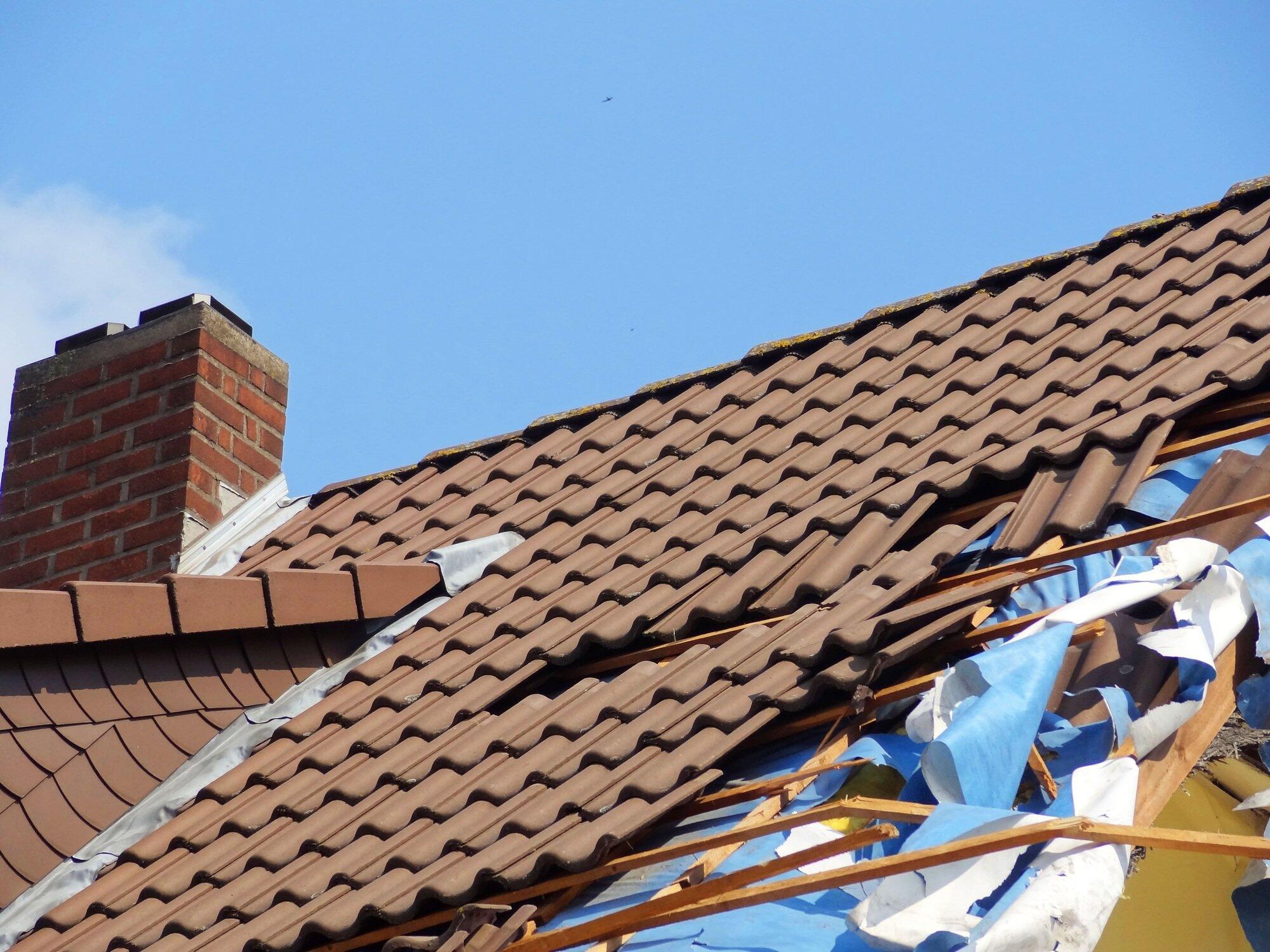
A damaged roof may seem like a small problem at first. Maybe you notice a tiny leak, a few missing shingles, or a stain on the ceiling.
Many homeowners think these issues can wait. After all, the roof is still standing, and the house feels safe. But the truth is that roof damage often causes serious problems long before you can clearly see them.
Understanding how roof damage affects your home is one of the best ways to protect what matters most. When you know what to look for and why it matters, you can act early and avoid costly repairs later.
Read on to learn more.
Why Your Roof Is One of the Most Important Parts of Your Home
Your roof is much more than just shingles and wood. It is a complete system designed to keep your home safe, dry, and comfortable. It helps control temperature, protects your belongings, and supports the structure of the house.
When the roof is in good condition, it helps keep warm air inside during winter and cool air inside during summer. This means your heating and cooling systems do not have to work as hard, which can lower energy bills. A strong roof also prevents water from entering your home, which helps protect walls, ceilings, floors, and electrical systems.
A well-maintained roof also plays a big role in how your home looks. From the street, the roof is one of the first things people notice. A clean, solid roof makes a home look cared for and valuable. On the other hand, a damaged or worn roof can make even a nice home look neglected.
How Roof Damage Often Starts Small
Roof damage rarely begins as a big, obvious problem. Most of the time, it starts with small issues that are easy to overlook. A single cracked shingle, loose flashing, or clogged gutter may not seem important. But these small problems can allow water to enter places where it should never be.
Once water finds a way in, it can spread. It may soak into wood, insulation, or drywall. These materials can hold moisture for a long time, creating the perfect conditions for rot and mold. Because this damage happens out of sight, many homeowners do not realize there is a problem until the damage becomes severe.
Weather plays a major role in how roof damage develops. Strong winds can lift shingles. Heavy rain can push water under roofing materials. Snow and ice can create pressure and cause cracks. Even hot sun can weaken roofing materials over time. All of these forces work together, slowly wearing down your roof.
Common Signs That Your Roof May Be Damaged
Knowing the warning signs of roof damage can help you take action before problems grow worse. Some signs are easy to see from inside your home, while others require a closer look outside.
One common sign is shingles that are curled, cracked, or missing. Shingles should lie flat and form a tight seal. When they curl or break, water can slip underneath them. Missing shingles leave parts of the roof fully exposed to the weather.
Water stains on ceilings or walls are another clear warning sign. These stains often appear as brown or yellow spots. They may grow larger after heavy rain. Even small stains can mean there is ongoing water damage above the ceiling.
Moss or algae growth on the roof can also signal trouble. While moss may look harmless, it holds moisture against the roof surface. This moisture can weaken shingles and cause rot underneath.
Another sign is finding small granules from shingles in your gutters or at the base of downspouts. Shingle granules protect the roof from sun damage. When they start to fall off, it often means the shingles are wearing out.
Damaged or lifted flashing is another issue to watch for. Flashing is the metal material placed around chimneys, vents, and roof edges. If it becomes loose or bent, water can easily leak through those areas.
Why Roof Damage Is a Serious Safety Issue
A damaged roof does more than just let water in. It can create real safety risks for your family. One of the biggest dangers is structural damage. When water soaks into wooden beams and supports, it can cause them to weaken or rot. Over time, this can affect the strength of the roof and even the entire house.
Mold is another serious concern. Moist areas created by roof leaks are perfect places for mold to grow. Mold can spread quickly and release tiny spores into the air. Breathing in these spores can cause allergies, coughing, headaches, and other breathing problems, especially for children and older adults.
Water from roof leaks can also reach electrical wiring. This increases the risk of electrical shorts or fires. Even small leaks can become dangerous when water mixes with electricity.
In cold climates, roof damage can lead to ice dams. These form when heat escapes through the roof and melts snow, which then refreezes at the edges. Ice dams can force water back under shingles and into the home, causing even more damage.
How Roof Damage Affects Your Home’s Value
Your home is one of your biggest investments. Roof damage can greatly reduce its value, even if the rest of the house is in good shape. Buyers often see the roof as a sign of how well a home has been cared for. A damaged roof can raise concerns about hidden problems.
When buyers know a roof needs repair or replacement, they may offer much less money or walk away completely. Lenders and insurance companies may also require roof repairs before approving a loan or policy.
Homes with newer or well-maintained roofs are more attractive to buyers. They offer peace of mind and reduce the risk of surprise expenses. Investing in roof care can help protect and even increase your home’s resale value.
The Hidden Costs of Ignoring Roof Problems
Ignoring roof damage can be very expensive in the long run. What starts as a small repair can turn into a major renovation if left untreated. Water damage can spread to walls, insulation, flooring, and furniture.
Moisture trapped inside walls can cause wood to rot and drywall to weaken. Floors may warp or buckle. Paint can peel, and ceilings can sag or collapse. All of these repairs cost far more than fixing a small roof issue early.
Insurance may not cover damage caused by neglect. If an insurance company decides that a problem was ignored for too long, they may deny a claim. This can leave homeowners paying for repairs out of pocket.
Why Regular Roof Inspections Matter
Regular roof inspections are one of the best ways to prevent serious damage. Many experts recommend having your roof inspected at least once a year. Inspections are also important after major storms, heavy snowfall, or strong winds.
During an inspection, a professional can spot small problems that homeowners often miss. They can check shingles, flashing, gutters, and ventilation. Early detection allows for quick, affordable repairs.
Inspections also help homeowners plan for the future. Knowing the condition of your roof can help you budget for repairs or replacement before an emergency happens.
When You Should Call a Roofing Professional
If you notice signs of roof damage, it is important not to wait. Calling a professional as soon as possible can prevent further problems. Roofing professionals have the tools and experience to safely inspect your roof and find the true source of leaks or damage.
Trying to fix roof problems on your own can be risky. Climbing on a roof without proper training can lead to falls or injuries. DIY repairs may also miss underlying issues, allowing damage to continue.
If you live in Minnesota and suspect roof damage, contacting a trusted provider for roof repair in Rogers, MN can help protect your home. A professional can explain your options and recommend the best solution for your situation.
Understanding the Cost of Roof Repairs
The cost of roof repairs can vary depending on several factors. The size of the damaged area, the type of roofing material, and the complexity of the repair all play a role. Minor repairs may be relatively affordable, while major damage can cost much more.
Flat roofs often cost less to repair than steep or complex roofs. Asphalt shingles are usually less expensive to fix than metal or tile roofing. However, delaying repairs almost always increases costs.
Water damage spreads over time. What could have been a simple repair may turn into a full roof replacement if ignored. Acting early is the best way to control costs.
How Preventive Care Saves Money Over Time
Preventive care is one of the smartest investments you can make for your home. Simple maintenance tasks can extend the life of your roof and help you avoid large repair bills.
Keeping gutters clean allows water to flow away from the roof. Trimming tree branches reduces the risk of damage from falling limbs. Checking for loose shingles after storms can help catch problems early.
Scheduling regular inspections and addressing small issues right away can save thousands of dollars over the life of your roof. Prevention also helps maintain your home’s comfort and safety.
Choosing the Right Roofing Material for Long-Term Protection
Different roofing materials offer different benefits. Asphalt shingles are popular because they are affordable and easy to install. They work well for many homes but may need replacement sooner than other materials.
Metal roofs last much longer and resist fire, wind, and moisture. They cost more upfront but often save money over time due to their durability and energy efficiency.
Tile and slate roofs are very strong and can last decades, but they are heavy and expensive. Choosing the right material depends on your budget, climate, and long-term goals.
Understanding your roofing material helps you care for it properly. Each type has specific maintenance needs and warning signs.
Weather and Its Role in Roof Damage
Weather is one of the biggest causes of roof damage. Rain, snow, wind, heat, and hail all take a toll over time. Even normal weather patterns can slowly wear down roofing materials.
Storms can cause sudden damage that needs immediate attention. High winds can tear off shingles. Hail can crack or dent roofing materials. Heavy rain can reveal leaks that were not noticeable before.
Regular inspections after storms are especially important. Catching damage early can prevent long-term problems and keep your home protected.
How Roof Damage Affects Energy Efficiency
A damaged roof can make your home less energy efficient. Gaps, cracks, and poor insulation allow air to escape. This forces heating and cooling systems to work harder.
Higher energy use leads to higher utility bills. It also puts extra strain on heating and cooling equipment, which may need repairs or replacement sooner.
A well-maintained roof helps keep indoor temperatures stable. This improves comfort and reduces energy costs throughout the year.
The Emotional Impact of Roof Problems
Roof damage does not just affect your home physically. It can also cause stress and worry. Leaks, mold concerns, and repair costs can create anxiety for homeowners.
Knowing that your home is safe and protected provides peace of mind. Taking care of roof issues promptly helps reduce stress and allows you to focus on enjoying your home.
Protecting Your Family and Your Investment
Your home should be a safe place for your family. A strong, well-maintained roof plays a major role in that safety. It protects against weather, supports the structure, and helps maintain a healthy indoor environment.
Your home is also a financial investment. Roof damage can lower its value and lead to expensive repairs. Regular maintenance and timely repairs help protect that investment.
Don’t Ignore the Warning Signs
Roof damage rarely fixes itself. Small problems almost always grow larger over time. Paying attention to warning signs and taking action early can save money, protect your family, and preserve your home’s value.
Regular inspections, preventive maintenance, and professional repairs are key to a healthy roof. If you notice any signs of damage, consider reaching out to a trusted expert for roof repair in Rogers, MN.
Your roof works hard every day to protect your home. Giving it the care it needs is one of the best decisions you can make for your safety, comfort, and peace of mind.
For more helpful tips, check out the rest of our site today.