
How Animal Hospitals Handle Reproductive And Breeding Care
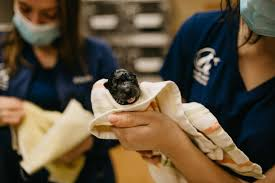
When your pet needs help with breeding or pregnancy, you want clear answers and safe care. Animal hospitals handle these moments every day. You see them manage heat cycles, pregnancy checks, problem births, and newborn care with a steady plan. You also see them step in when something goes wrong and you feel that sharp rush of fear. In those moments, an emergency vet in Columbia, MD can guide you through hard choices and quick treatment. This blog explains how teams plan breedings, track fertility, support pregnant pets, and respond when labor stalls or puppies and kittens fail to thrive. You learn what to expect, what to ask, and when to seek urgent help. You also see how early planning, honest talks, and regular exams protect both the mother and the litter.
Planning Before Breeding
Reproductive care starts long before mating. You protect your pet and any future litter when you plan early.
Most animal hospitals begin with three steps.
- Review your pet’s health history
- Run screening tests
- Talk through your goals and limits
First, the team checks age, weight, past illness, and behavior. They confirm your pet is old enough and not past safe breeding age. They listen for heart issues and check joints and lungs. They also ask about past pregnancies or losses.
Second, they run tests. Common tests include blood work, urine tests, and screening for infections. For dogs and cats, hospitals often follow guidance from sources like the Centers for Disease Control and Prevention to watch for diseases that can pass between pets and people.
Third, they talk with you. You share why you want a litter, how many litters you plan, and what you can handle if things go wrong. The team will speak plainly about cost, time, and risk. That clear talk protects both you and your pet.
Monitoring Heat Cycles And Fertility
Once your pet is cleared, the hospital helps you time breeding. Good timing lowers stress and improves the chance of a healthy litter.
For many female dogs, teams use three tools.
- Physical exams
- Vaginal cytology
- Progesterone blood tests
Physical exams look for swelling, discharge, and behavior changes. Vaginal cytology checks cells under a microscope to show where your dog is in her cycle. Progesterone tests show hormone levels and help pinpoint the best days to breed.
Male pets also need checks. Hospitals examine testicles, prostate, and overall health. Some offer semen evaluation to check sperm count and movement. This reduces guesswork and helps you avoid repeated failed attempts.
Care During Pregnancy
Once pregnancy is likely, the hospital sets a schedule. You can expect regular visits and clear rules about exercise, food, and medicine.
Typical pregnancy care includes three parts.
- Confirming pregnancy
- Monitoring growth
- Preparing for birth
Teams confirm pregnancy with ultrasound or blood tests. Many hospitals use ultrasound around three to four weeks after breeding. X rays may come later to count fetuses and plan for birth. Veterinarians follow science based guidance such as that from the Merck Veterinary Manual to watch for warning signs.
During pregnancy, the hospital tracks weight gain and appetite. They adjust food to support growth without overfeeding. They also review any current drugs and stop those that might harm the fetuses.
As the due date nears, the team teaches you how to set up a whelping or queening box, what supplies to keep on hand, and what signs should send you straight to the clinic.
Labor, Delivery, And Emergency Support
Labor can move fast or slow. You need to know what is normal and what is not. Animal hospitals give you clear rules.
Normal Labor Signs Versus Emergency Warning Signs
| Stage | Normal Signs | Emergency Warning Signs |
|---|---|---|
| Before labor | Restlessness, nesting, drop in body temperature | No interest in food with signs of pain |
| Early labor | Mild contractions, licking, mild discharge | Strong pain with no progress for more than 2 hours |
| Active delivery | Puppy or kitten every 20 to 60 minutes | More than 2 hours between babies with strong effort |
| After birth | Tired but caring for babies | Foul smell, heavy bleeding, collapse, green or black discharge without a baby |
During a normal birth, the hospital may have you stay at home and call with updates. If labor slows or your pet seems in distress, they may ask you to come in right away. There, they can give fluids, pain relief, and careful monitoring. They may assist delivery by hand or perform a cesarean section if needed.
Emergency teams are trained to move fast. They watch the mother and each newborn. They clear airways, warm cold babies, and check for birth defects. They also speak with you about hard choices if a pup or kitten is not breathing or has severe problems.
Newborn And Postpartum Care
Care does not end once the last baby is born. The first weeks are fragile for both the mother and the litter.
Hospitals focus on three things.
- Newborn survival
- Mother’s recovery
- Disease prevention
For newborns, the team checks body temperature, weight gain, and nursing. They often teach you how to weigh each baby every day and track a simple chart. Any drop in weight or weak nursing is an emergency sign.
For the mother, they watch for infection, low calcium, or heavy bleeding. They review how her nipples look and how her behavior changes. They also plan vaccines and parasite control for when her body is ready.
To reduce future problems, many hospitals talk about spay or neuter once breeding plans are complete. This can lower the risk of some cancers and infections and can reduce strain on your home.
How You And The Hospital Work Together
Safe breeding is a partnership. You bring daily watchfulness and care. The hospital brings medical skill and clear guidance.
You can support this partnership in three ways.
- Keep every appointment
- Call early when something feels off
- Follow written plans at home
When you stay in close contact with the team, you do more than protect one litter. You honor your pet’s trust. You also protect your own heart from preventable loss. Reproductive care is not about chasing numbers of puppies or kittens. It is about safe choices, steady support, and respect for each life from the first plan to the last newborn check.