
How Animal Hospitals Partner With Specialists For Complex Cases
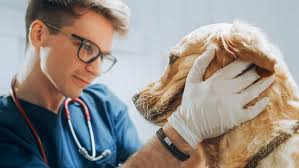
When your pet faces a serious health crisis, you need more than routine care. You need a team. An animal hospital in Richmond, TX can work with outside specialists to give your pet focused support during complex problems. This partnership helps when your pet needs advanced surgery, cancer treatment, heart testing, or rare disease care. You still work with your regular veterinarian. You also gain access to doctors who see hard cases every day. Together they share records, test results, and treatment plans. They talk through risks, costs, and realistic outcomes with you. They adjust the plan as your pet responds. You do not have to manage this alone. Your job is to speak for your pet and ask clear questions. Their job is to bring every useful tool, test, and skill to the table so your pet has a real chance to stabilize, heal, and return home.
Why Your Pet’s Case May Need A Specialist
Some problems stretch beyond general care. Your veterinarian may suggest a specialist when your pet has one of three issues. First, a condition that threatens life or long term comfort. Second, a problem that does not improve with standard treatment. Third, a need for tools or tests that are not available in the clinic.
Common triggers for a referral include:
- Masses or suspected cancer
- Heart murmurs or fainting
- Seizures or sudden behavior change
- Complex bone breaks or joint injuries
- Chronic vomiting, weight loss, or diarrhea
- Breathing trouble or repeated pneumonia
Your veterinarian does not “give up” when a referral happens. Instead, the hospital adds another layer of focused care to your pet’s team.
Types Of Specialists Your Animal Hospital May Use
Animal hospitals often work with board-certified specialists. These doctors complete years of extra training and exams. Many follow standards set by groups listed by the American Veterinary Medical Association.
You may meet specialists such as:
- Surgeons. Handle joint repair, spinal surgery, mass removal, and complex wound care.
- Oncologists. Plan cancer staging, chemotherapy, and long-term monitoring.
- Cardiologists. Assess heart disease, rhythm problems, and blood pressure.
- Internists. Work on diabetes, kidney disease, immune disease, and gut problems.
- Neurologists. Evaluate seizures, spinal pain, and weakness.
- Radiologists. Read advanced images like CT and MRI.
- Emergency and critical care doctors. Stabilize shock, trauma, and organ failure.
Your animal hospital decides which specialist fits your pet’s problem and how urgent the contact should be.
How The Partnership Works Step By Step
In most complex cases, your animal hospital follows a clear path.
- Initial exam. Your veterinarian examines your pet, runs basic tests, and talks with you about concerns.
- Decision to refer. The team reviews test results and your goals. They explain why a specialist can help.
- Record sharing. The hospital sends lab work, images, treatment notes, and drug lists to the specialist.
- Specialist consult. You meet in person or by video. At times the specialist only reviews records and advises your veterinarian.
- Joint plan. Both doctors agree on the next steps. They outline choices, costs, and possible outcomes for you.
- Treatment. Care may happen at the animal hospital, at the specialty center, or at both places.
- Follow up. Your home hospital handles rechecks when possible. The specialist stays in the background for complex questions.
This shared plan keeps care steady. It also avoids repeat tests that drain your time and budget.
What Each Team Member Does
Roles During A Complex Pet Health Case
| Team Member | Main Role | Examples Of Tasks |
|---|---|---|
| Primary veterinarian | Leads daily care | Explains diagnosis. Gives routine drugs. Monitors progress. |
| Specialist | Guides complex choices | Performs advanced tests. Plans surgery. Adjusts complex drug plans. |
| Veterinary nurses | Support hands on care | Place IV lines. Give drugs. Teach home care steps. |
| Client service staff | Coordinate steps | Schedule visits. Share records. Review cost estimates. |
| You | Speak for your pet | Share history. Watch for changes. Decide on treatment goals. |
Tests And Treatments A Specialist May Add
Specialists often bring tools that many local hospitals do not keep on site. Examples include:
- Heart ultrasound to check heart muscle and valves
- CT or MRI scans for brain, spine, or chest
- Advanced blood tests for clotting, hormones, or rare infections
- Endoscopy to look inside the gut or airways
- Radiation treatment for certain cancers
They may also offer newer treatment options. These can include targeted cancer drugs, custom joint surgery, or special feeding plans for kidney or gut disease. Your animal hospital helps you weigh the strain of each choice with the likely benefit for your pet.
How This Partnership Protects Your Pet’s Safety
Shared care can lower risk. Each doctor checks the other’s plan. They catch drug conflicts, dosing errors, or missing tests. They also compare what you see at home with what they see in the clinic.
The U.S. Food and Drug Administration Center for Veterinary Medicine tracks drug safety updates. Your veterinarians use this guidance when they choose drugs. The link between your hospital and the specialist keeps those choices careful and current.
read more : 4 Common Myths About Accounting Firms Debunked
How To Prepare For A Specialist Visit
You can shape the success of a referral. Before the visit, write a short timeline of your pet’s problem. Include three things. First, when the signs began. Second, what has changed? Third, which drugs or foods have you tried?
Also bring:
- All drug bottles and supplements
- Recent test results, if you have copies
- Questions about cost, side effects, and home care
During the visit, ask the team to repeat the plan in plain language. Request written steps for home care. Ask who you should call at night or on weekends if your pet changes.
When You Cannot Travel To A Specialist
At times distance, money, or your pet’s condition block travel. In these moments, your animal hospital can still seek expert help. Many specialists offer teleconsults. They review records and images and send advice to your veterinarian.
This option may not replace surgery or advanced tools. Yet it can shape drug choices, comfort care, and end-of-life plans. It keeps your pet from losing needed support when travel is not possible.
Standing Strong With A Team On Your Side
A complex diagnosis shakes any home. You may feel fear, guilt, or anger. You may worry about cost and hard choices. A strong link between your animal hospital and trusted specialists brings structure to that chaos.
You do not need to carry medical decisions alone. Ask who is on your pet’s team. Ask how they share updates. Ask what they would do if this were their own animal. Clear answers, shared plans, and steady follow-up give your pet the best chance at comfort and recovery.