
How Animal Hospitals Support Nutrition And Weight Management
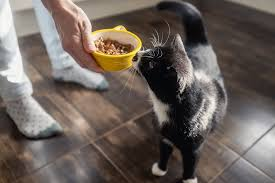
Healthy weight is not only about how a pet looks. It affects how long your pet lives and how often your pet hurts. Extra pounds strain joints, heart, and lungs. Silent problems grow over time. You may see only a cute round belly. Your pet may feel constant pressure and fatigue. That is where a trusted team helps. A Fontana animal doctor uses clear steps to guide you. First, the doctor checks current weight, body shape, and daily habits. Next, the team creates a simple food and activity plan that fits your routine. Then they track progress and adjust. You receive straight talk, not blame. You learn which foods help and which treats cause harm. You also learn how small changes in portions and playtime protect your pet from pain, diabetes, and early aging. With steady support, you can protect your pet’s comfort, energy, and joy.
Why Pet Weight Matters More Than You Think
Extra weight harms pets in three main ways.
- Shorter life span
- More pain and trouble moving
- Higher risk of disease
The American Veterinary Medical Association explains that overweight pets face a higher risk for diabetes, arthritis, breathing trouble, heart strain, and some cancers. Even a few extra pounds raise that risk. You may not see the change at first. Your pet often hides pain and moves less instead of crying out.
Early help from an animal hospital stops this slow damage. You gain clear numbers, not guesses. You learn how much your pet should weigh and how to reach that target in a safe way.
How Animal Hospitals Check Weight And Body Condition
During a visit, the team looks at three simple facts.
- Current weight on a scale
- Body condition score using sight and touch
- Daily routine at home
Body condition scoring uses a 1 to 9 scale. A score of 4 or 5 means a healthy shape. Ribs feel easy to touch. Waist and tummy tuck are clear. A higher score means extra fat over the ribs and belly. A lower score means too thin.
Here is a basic guide your doctor may use.
| Body Score | What You See And Feel | What It Means |
|---|---|---|
| 1 to 3 | Ribs and spine stick out. Little body fat. | Underweight. Needs more calories. |
| 4 to 5 | Ribs are easy to feel. Visible waist. Tummy tuck. | Healthy weight. Maintain current plan. |
| 6 to 7 | Ribs hard to feel. Waist faint. Belly round. | Overweight. Needs a weight loss plan. |
| 8 to 9 | No waist. Heavy fat over ribs and back. | Obese. Higher health risk. Needs close care. |
These checks take only a few minutes. They give a strong base for a safe plan.
Building A Safe Weight Loss Or Gain Plan
Your animal hospital creates a plan that fits your pet and your home. The team looks at three key points.
- Age and life stage
- Current health problems
- Your budget and schedule
First, the doctor sets a target weight. Then the team decides how many calories your pet should eat each day. This number is not a guess. It uses body weight, body score, and activity. The National Academies nutrient guide for dogs and cats informs many of these choices.
The plan may include.
- A specific food and feeding amount
- A treat limit and list of safe treats
- A simple movement routine
The goal is slow and steady change. Quick weight loss harms organs and muscle. Your doctor watches for that and adjusts the plan.
read more : 4 Common Myths About Accounting Firms Debunked
How Animal Hospitals Choose The Right Food
Food choice affects weight more than exercise. Your pet may need a special diet when there is extra weight or a health problem. Your animal hospital can help you sort food into three groups.
- Therapeutic diets from the clinic
- Over the counter pet foods
- Home cooked or raw diets
Therapeutic diets support weight change with controlled calories, protein, and fiber. They also often support joint, heart, or kidney health. Over-the-counter foods vary in quality. The team can read the label with you and explain calories per cup and feeding amounts.
Home-cooked and raw diets carry the risk of germs or missing nutrients. Your doctor may suggest a recipe that follows science-based standards. This protects your pet from silent shortages.
Role Of Treats, Table Food, And Family Habits
Treats and table scraps often cause most weight gain. A small snack can equal a whole meal in calories. Your animal hospital will ask about every bite your pet gets. That includes food from children or neighbors.
You may hear clear steps like these.
- Use part of the daily food as treats
- Limit treats to 10 percent of daily calories
- Avoid high-fat meats, cheese, and fried foods
The team can offer safe, low-calorie options. Carrot pieces or green beans may work for many dogs. Plain canned pumpkin in small amounts may help some pets feel full.
Exercise Plans You Can Keep
Movement supports weight control and joint comfort. Your doctor will match exercise to your pet’s health. Three common plans include.
- Short walks for older or heavy dogs
- Indoor play sessions for cats
- Gentle swimming when joints hurt
At first, the focus is on safety. Long or intense workouts can strain the heart and joints of an overweight pet. Your animal hospital will suggest slow increases in time and effort. You track how your pet feels during and after each session.
Follow Up Visits And Progress Tracking
Weight control needs check-ins. A single visit is not enough. Your animal hospital often suggests rechecks every 2 to 4 weeks at first. During these visits, the team will.
- Weigh your pet on the same scale
- Review body condition score
- Ask about appetite, energy, and stool
- Adjust food amount or type
Small changes in grams or ounces matter. The team may chart weight over time. This shows clear progress and reveals stalls early. You also gain a chance to ask about family challenges, travel, or schedule shifts that affect feeding.
When Medical Problems Affect Weight
Not all weight gain comes from extra food. Hormone disease, joint pain, or certain drugs can lead to weight gain. Sudden weight loss can signal serious disease. Your animal hospital can run tests when weight changes do not match food intake.
Blood work, urine tests, and imaging help find hidden problems such as thyroid disease or diabetes. Treating these problems often improves weight control and energy. You then return to a more standard plan with better results.
How You and Your Animal Hospital Work As A Team
Healthy weight is a shared duty. Your animal hospital brings science, tools, and care. You bring daily choices. Together you can.
- Set clear goals
- Follow a simple feeding and treat plan
- Keep regular weigh ins
Each small change in food and movement protects your pet’s joints, heart, and joy. With steady support and honest talks, you can guard your pet’s comfort for many years.