
How Animal Hospitals Support Preventive Dental Programs
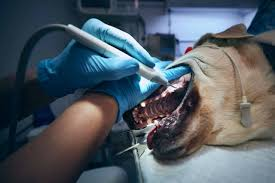
Healthy teeth keep your pet eating, playing, and aging with less pain. Yet you often see dental care as optional or cosmetic. It is not. It is basic medical care. This is where your local Kenosha animal hospital becomes a strong partner. You get more than a yearly checkup. You get a team that watches for early gum disease, cracked teeth, and infection before they spread. You also get clear teaching on brushing, safe chews, and diet. As a result, you can act early instead of waiting for bad breath, drooling, or sudden weight loss. This blog explains how animal hospitals build preventive dental programs that fit your daily life. It shows what to expect at a visit, which tools help at home, and when to schedule cleanings. You will see how steady dental care protects your pet’s health and your wallet.
Why your pet’s mouth needs steady care
Dental disease is the most common health problem in dogs and cats. The American Veterinary Medical Association explains that most pets have some level of dental disease by age three. That means your pet can look fine and still carry painful infection.
You see only the teeth. You do not see the roots, bone, and gums. Bacteria collect on the teeth. Plaque forms. Then hard tartar builds up. Gums pull back. Infection creeps into the jaw and the blood. This affects the heart, liver, and kidneys. Early care slows this damage. Late care often means extractions and higher cost.
How animal hospitals build preventive dental programs
Your animal hospital does three things for preventive dental care.
- Checks the mouth at every visit
- Cleans teeth under anesthesia when needed
- Teaches you what to do at home
First, the team looks at the teeth and gums during routine exams. They look for redness, odor, loose teeth, and pain. They may suggest dental x rays. These show roots and bone. You cannot see these at home.
Next, they plan cleanings. A proper cleaning needs anesthesia. This allows the team to clean under the gumline and polish every tooth. It also keeps your pet still and safe. The American College of Veterinary Surgeons explains this process at this page on dental disease in dogs.
Finally, they give you a simple plan for home care. You learn how often to brush, which toys are safe, and which treats help reduce plaque.
What happens during a preventive dental visit
You can expect three main steps during a dental visit.
- Review of your pet’s history and daily habits
- Full mouth exam and possible x rays
- Cleaning and treatment plan
The team asks about chewing, eating, and behavior. They ask if your pet drops food, chews on one side, or avoids toys. These small signs often mean pain.
During the exam, the doctor checks each tooth. They grade tartar and gum disease. If needed, they take x rays. After that, they clean the teeth. They remove plaque and tartar above and below the gums. They polish each surface. If they see deep pockets or broken teeth, they talk with you about treatment.
read more : Creating a Sanctuary: Integrating Holistic Design in Luxury Homes
Common myths and the real facts
| Myth | Fact |
|---|---|
| “Pets only need dental care when they are old.” | Most pets show dental disease by age three. Early care avoids extractions later. |
| “Dry food cleans teeth.” | Regular kibble does not scrub plaque. You still need brushing and cleanings. |
| “Bad breath is normal for pets.” | Bad breath often means infection. A healthy mouth has little odor. |
| “Anesthesia is more risky than dirty teeth.” | Modern anesthesia is controlled and monitored. Ongoing infection harms organs. |
Cost of prevention compared to delayed care
You may worry about cost. That is fair. Yet prevention usually costs less than crisis care. The table below shows a simple comparison. Exact fees vary, but the pattern is clear.
| Type of care | What it includes | Typical timing | Relative cost |
|---|---|---|---|
| Preventive cleaning | Exam, x rays, cleaning, polish, home plan | Every 12 to 24 months | Lower |
| Advanced dental surgery | Extractions, extended anesthesia, meds, follow up | After years of unchecked disease | Higher |
You pay for cleanings on a schedule. You spread cost and stress over time. You avoid sudden large bills and hard decisions when your pet is in pain.
Your role at home
Preventive dental programs only work when you join the team. Your daily choices matter. You can support your pet’s mouth in three ways.
- Brush your pet’s teeth with pet safe paste
- Offer approved dental chews and toys
- Show up for exams and follow the plan
Brushing even three times a week lowers plaque. Start slow. Use praise. Keep sessions short. Ask your animal hospital to show you the steps. Use products with the Veterinary Oral Health Council seal when possible.
When to call your animal hospital
Call your animal hospital if you see any of these signs.
- Bad breath that does not fade with brushing
- Bleeding gums or blood on toys
- Loose or missing teeth
- Drooling or dropping food
- Swelling around the mouth or face
- Change in chewing or refusal to eat
These signs mean pain. Quick care can stop worse damage.
Moving forward with confidence
You cannot stop aging. You can slow disease. Your animal hospital gives you the tools. Regular exams, timely cleanings, and home care form a simple plan. You protect your pet’s comfort. You protect your budget. You also protect your own peace of mind. You know you did not wait until your pet suffered in silence.