
How General Dentistry Incorporates Restorative And Preventive Balance
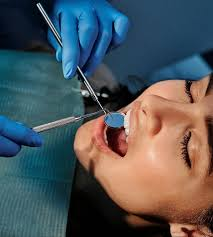
Your mouth tells a story every day. Every snack, stress habit, and skipped appointment leaves a mark. General dentistry helps you keep control of that story through a clear balance. You fix what is broken. You protect what still works. This mix of restorative and preventive care saves you pain, money, and fear later. You do not have to wait for a cracked tooth or infection to act. Instead, you use regular cleanings, simple fillings, and smart treatment plans to stay ahead of damage. Asheville cosmetic dentistry often starts from this same base. Healthy teeth and gums come first. Appearance and confidence grow from that foundation. When you understand how general dentistry ties repair and prevention together, you can make calmer choices. You can ask better questions. You can walk into each visit knowing you are protecting your future health, not only fixing past problems.
What Restorative Care Means For You
Restorative care focuses on teeth that already have damage. You may have a cavity, a crack, or a missing tooth. You may have a tooth that hurts when you chew. General dentistry uses simple tools to bring teeth back to stable function.
Common restorative treatments include:
- Fillings for small and medium cavities
- Crowns for weak or cracked teeth
- Root canals to save infected teeth
- Bridges or dentures for missing teeth
Each step has one purpose. You should be able to eat, speak, and smile without pain or fear. You do not just fix a tooth. You restore your daily life.
What Preventive Care Means For You
Preventive care protects healthy teeth and gums. You act early so small problems do not grow. You and your dentist share this work. Routine care at home matters as much as treatment in the chair.
Preventive care usually includes:
- Checkups and cleanings
- Fluoride treatments when needed
- Sealants on back teeth for children and some adults
- X rays at safe intervals
- Coaching on brushing, flossing, and diet
The Centers for Disease Control and Prevention shows that tooth decay is common in children and adults. Regular checkups help find decay early while it is still easy to treat. You save healthy tooth structure. You reduce the need for root canals and extractions.
How Restorative And Preventive Care Work Together
You do not choose between repair and prevention. You need both. After a tooth is restored, you need preventive steps to keep that repair strong. A filling can fail if plaque builds up. A crown can break if you grind your teeth. Gum tissue can still get infected.
Your dentist uses three linked steps.
- First, treat what hurts or threatens your health.
- Second, remove the cause of the damage.
- Third, set a plan to stop the problem from coming back.
For example, if you get a filling for a cavity between teeth, your plan may include new flossing habits, fluoride toothpaste, and shorter recall visits. You do not only patch the hole. You change the story that led to the hole.
Comparing Restorative And Preventive Care
This table shows how restorative and preventive care differ and support each other.
| Type of care | Main goal | Common treatments | When you use it | Effect on long term cost |
|---|---|---|---|---|
| Restorative | Fix damaged teeth | Fillings, crowns, root canals, bridges, dentures | After decay, cracks, infection, or tooth loss | Higher cost if problems are large or delayed |
| Preventive | Stop new damage | Cleanings, exams, fluoride, sealants, education | On a set schedule, even when nothing hurts | Lower cost over time by avoiding big repairs |
The pattern is simple. You pay less when you act early. You pay more when you wait. That is true for money, time, and stress.
How A General Dentist Builds Your Care Plan
During a visit, your dentist checks your teeth, gums, jaw, and bite. You may feel like you are just opening your mouth and waiting. In truth, your dentist is building a map of risk and need.
Your plan often includes:
- Urgent work such as infections or deep decay
- Needed repairs such as broken fillings or worn crowns
- Supportive care such as cleanings and fluoride
- Home steps such as brushing changes or diet shifts
You can ask your dentist to sort steps into three groups. Do now. Do soon. Watch and review. This simple split helps you feel less overwhelmed. You see what matters first and what can wait.
Your Role At Home
General dentistry does not end when you leave the office. Your daily choices decide if treatment lasts. The National Institute of Dental and Craniofacial Research explains that decay grows when bacteria feed on sugars and make acid. You can cut that chain.
Key home steps include:
- Brush two times each day with fluoride toothpaste
- Floss once each day to clean between teeth
- Limit sugary drinks and snacks between meals
- Drink water to rinse your mouth and support saliva
- Use a mouthguard if you grind or play contact sports
When you follow these steps, your dentist can focus visits on fine tuning rather than crisis repair.
Questions To Ask Your Dentist
You deserve clear answers. During your next visit, you can ask:
- What repairs do I need now and why
- How can we stop this problem from returning
- What are my choices for treatment and upkeep
- How often should I come in based on my risk
- What small change at home would help me most
These questions show that you want a balance between fixing and protecting. That helps your dentist shape care that fits your life and budget.
Bringing It All Together
General dentistry works best when you see it as a long term partnership. Restorative care gets you out of pain and back to daily life. Preventive care keeps you from falling into that same pain again. You do not need special knowledge. You only need steady habits and honest talks with your dentist.
When you keep this balance in mind, every visit has a purpose. You walk in to repair, protect, or both. You walk out with a clearer plan and a calmer mind.
read more : Creating a Sanctuary: Integrating Holistic Design in Luxury Homes