
How Nutrition Counseling Supports Pet Health At The Vet
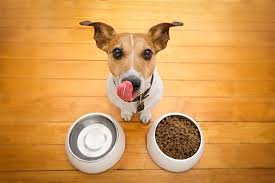
You want your pet to stay strong, live longer, and feel calm. Food plays a hard role in that. At a routine visit, your veterinarian in Lambertville does more than give shots or check ears. The vet studies how your pet eats, gains weight, and handles daily stress. Then the vet uses nutrition counseling to guide you. You learn what to feed, how much to feed, and when to change a diet. This support helps with weight control. It also helps with skin problems and stomach trouble. It can slow the progression of kidney disease and support joint health. Clear food plans also cut confusion from ads and labels. You walk away with a simple plan that fits your home life. You understand your role. You know what to watch. You can act early when something feels wrong.
Why Food Matters At Every Vet Visit
Every bite your pet eats pushes health in one of two ways. Food can support strong organs. Food can also strain the body. Routine nutrition counseling lets your vet:
- Spot early signs of weight gain or loss
- Match food to age and life stage
- Adjust diets for disease care
The American Veterinary Medical Association explains that nutrition is one of the five core needs for pets. You can read more in its guidance on pet care at AVMA Pet Care Resources.
What Happens During Nutrition Counseling
Nutrition counseling is a focused talk. It links your daily routine to medical facts. During the visit, your vet or tech will often:
- Ask what brand and type of food you use
- Ask how many treats your pet gets each day
- Measure weight and body shape
- Review blood work and past health history
- Talk through your budget and feeding schedule
Next, you receive clear steps. You may get a feeding chart. You may get a change in food type. You may also get rules about treats. The goal is simple. You walk out knowing the next three things you will change at home.
Common Nutrition Problems Your Vet Can Catch Early
Many problems start in the food bowl. You may not see them at first. Your vet can spot early signs and guide you. Three common examples include:
- Weight gain. Even a few extra pounds strain joints and the heart.
- Upset stomach. Loose stool or gas can point to food that does not fit your pet.
- Skin and coat trouble. Dry skin or dull fur can be linked to a poor diet or food reactions.
Nutrition counseling lets your vet act before these problems grow. That means fewer crises. It also means fewer sudden costs.
How Nutrition Counseling Changes Through Life Stages
Your pet’s food needs change with age. One diet rarely fits a whole life. Your vet adjusts the plan as your pet moves through three main stages.
Puppies And Kittens
Young pets grow fast. They need:
- Food that meets growth standards
- Frequent meals
- Careful treat limits
Nutrition counseling at this stage protects bone growth and brain growth. It also sets feeding habits that last.
Adult Dogs And Cats
Healthy adults need balance. Your vet focuses on:
- Steady weight
- Right mix of protein and calories
- Activity level and exercise
The goal is to prevent disease. Routine talks about food keep you on track.
Senior Pets
Older pets face joint pain, kidney strain, and slower digestion. Nutrition counseling shifts to:
- Lower or higher protein, based on lab work
- Controlled phosphorus and sodium for kidney and heart care
- Omega fatty acids to support joints and brain
The American Animal Hospital Association and World Small Animal Veterinary Association both stress nutrition checks for senior pets. You can see a clear overview of senior pet needs from Washington State University’s veterinary school at WSU Senior Dog Care.
read more : 4 Common Myths About Accounting Firms Debunked
Nutrition And Common Chronic Diseases
Many long-term diseases respond to food changes. Your vet uses nutrition counseling to guide care for conditions such as:
- Obesity. Calorie control and measured meals help slow joint damage and diabetes risk.
- Diabetes. Timed meals and steady carbs help with insulin use.
- Kidney disease. Special diets can slow damage and ease symptoms.
- Arthritis. Weight loss and specific nutrients can reduce pain.
Food will not cure these conditions. Yet food can reduce stress on the body and support other treatments.
Sample Feeding Comparison
The table below shows a simple example for a 50-pound adult dog that needs about 900 calories per day. Numbers are examples only. Your vet will give exact advice for your pet.
| Feeding Plan | Daily Calories | Body Effect Over Time | Vet Nutrition View |
|---|---|---|---|
| Free feeding dry food all day | 1200 to 1500 | Weight gain. Higher joint and heart strain. | High concern. Needs change to measured meals. |
| Measured cups twice a day with many treats | 1000 to 1300 | Slow weight gain. Hard to track intake. | Needs treat limits and better tracking. |
| Measured cups twice a day with few treats | 850 to 950 | Stable weight. Stronger energy. | Preferred plan for most healthy adults. |
This simple view shows how small choices add up. Nutrition counseling turns rough guesses into clear numbers.
How To Prepare For A Nutrition Counseling Visit
You can make the visit stronger with three steps.
- Write down every food, treat, and table scrap your pet gets in one day.
- Take photos of food bags and cans so your vet can see labels.
- Think about your schedule and who feeds the pet in your home.
Then share any fears. Speak up about cost, picky eating, or family habits. Honest talk helps your vet build a plan you can keep.
Sticking With The Plan At Home
Change can feel hard. You can keep progress with three simple habits.
- Use a measuring cup for every meal.
- Set one person to manage feeding so scoops stay steady.
- Weigh your pet at home or at the clinic once a month.
If weight or stool changes, call the clinic. Quick updates keep the plan safe.
Why Nutrition Counseling Is Worth Your Time
Nutrition counseling at the vet protects your pet from slow damage. It supports recovery from sickness. It also gives you control. You stop guessing at the store shelf. You start making clear, strong choices for your pet’s body and mind. Each visit becomes a chance to reset and protect the bond you share.