
How Smart Home Technology is Shaping Modern Real Estate
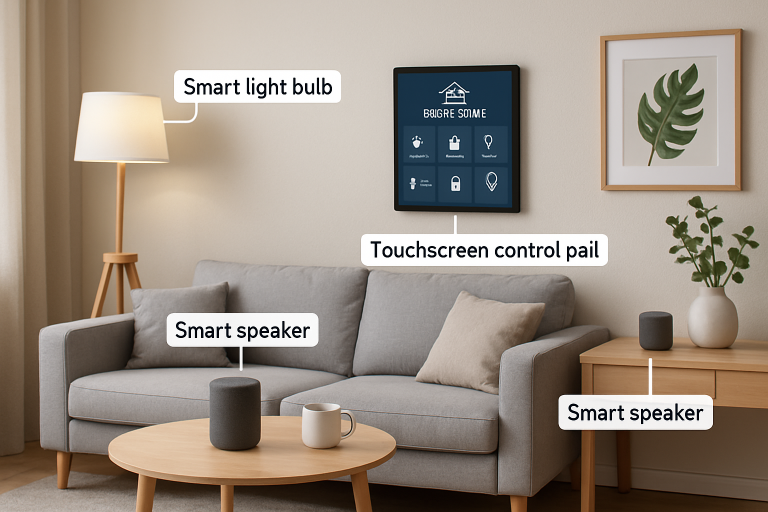
Table of Contents
- Enhancing Property Values
- Meeting Buyer Expectations
- Boosting Security Measures
- Promoting Energy Efficiency
- Facilitating Remote Property Management
- Conclusion
Smart home technology has moved beyond a futuristic trend to become a fundamental factor in modern real estate. Increasingly, homebuyers and investors are seeking properties loaded with automation—from voice-controlled assistants to intelligent security systems. This growing demand highlights not only the heightened interest in comfort and convenience but also the accelerating pace at which technology is woven into our everyday living spaces. For those exploring homes for sale in Alpharetta, GA, these upgrades are becoming essentials.
With buyers setting high expectations, smart technology now influences everything from market value to security and energy efficiency. Whether you’re an experienced investor or searching for a family home, understanding the impact of this technological evolution is crucial. What was once a novelty is now a necessity, and real estate professionals must adapt quickly to keep pace with shifting home-buying priorities.
Enhancing Property Values
Homes equipped with integrated innovative technologies consistently command higher prices in the current market. Modern buyers place a premium on features such as smart lighting, thermostats, and connectivity hubs that streamline household management. Homes with advanced automation systems often sell for as much as 5% above comparable, traditionally outfitted homes. The perceived modernity and convenience boost curb appeal and appraisal values, particularly in competitive markets where every detail counts.
From a seller’s perspective, investing in these upgrades can generate outstanding returns, making smart home tech not just a lifestyle enhancement but a highly strategic move. Features like connected appliances, remote-controlled blinds, and built-in entertainment solutions make homes stand out in crowded listings, attracting tech-savvy buyers and enhancing resale prospects.
Meeting Buyer Expectations
Today’s homebuyers, especially millennials and Generation Z, expect smart technology to be a standard feature. Voice-activated devices, automated security, and intuitive environmental controls have become part and parcel of everyday expectations. Consumers now prioritize “move-in ready” homes that feature these technologies seamlessly integrated. Homes without smart tech may be overlooked, even if they’re otherwise well-maintained. The growing adoption of mobile and AI-driven controls means buyers want the convenience to manage everything—from entry locks to lighting—remotely or with a simple voice command. For real estate agents, highlighting these capabilities during showings is increasingly essential to securing interest and offers.
Boosting Security Measures
One of the strongest selling points for smart home technology is the advanced security it offers. Features like video doorbells, motion sensors, automated alarms, and mobile-controlled locks not only deter intruders but also provide homeowners with real-time surveillance and instant alerts. These systems grant peace of mind, knowing one’s property can be monitored from virtually anywhere.
Investors and property managers also benefit, as smart security systems reduce costs associated with traditional monitoring and lower the risks of break-ins or property damage. The integration of emergency response systems further extends protection, adding yet another layer of value to smart-enabled real estate.
Promoting Energy Efficiency
Smart home technologies go hand in hand with sustainability. Automated thermostats and smart lighting optimize energy use based on occupancy or time of day, dramatically reducing homeowners’ utility bills while minimizing overall environmental impact. These eco-friendly advantages are a major selling point, as energy efficiency becomes increasingly crucial to buyers seeking ethical, money-saving choices.
The latest devices, such as learning thermostats and adaptive lighting, can adjust to user behavior patterns, ensuring energy is used only when it’s needed. This results not only in lower costs but also in a smaller carbon footprint—a critical issue for the growing number of environmentally conscious home seekers.
Facilitating Remote Property Management
Smart home technology offers significant advantages for property managers, particularly for absentee landlords or investors managing multiple units. Modern systems enable monitoring security, controlling lighting and climate, and even granting or restricting access to tenants, all from a centralized mobile dashboard.
This flexibility reduces the need for on-site staff, preventing small issues from spiraling into expensive repairs. Smart sensors can send alerts about water leaks, HVAC malfunctions, or abnormal energy usage, allowing managers to act quickly and mitigate damage or cost. These efficiencies streamline operations, letting property owners manage their investments more effectively and responsively.
Conclusion
The smart home revolution is fundamentally reshaping real estate—enhancing property values, aligning with evolving buyer expectations, boosting security, promoting energy efficiency, and unlocking new management options. As technology continues to evolve, homes with integrated smart systems will only become more desirable, making it critical for real estate professionals and homeowners alike to stay ahead of the curve. For buyers, especially those seeking a modern lifestyle, investing in smart-equipped properties is an investment in comfort, sustainability, and long-term value.