
How to Prepare for Your First Equestrian Event
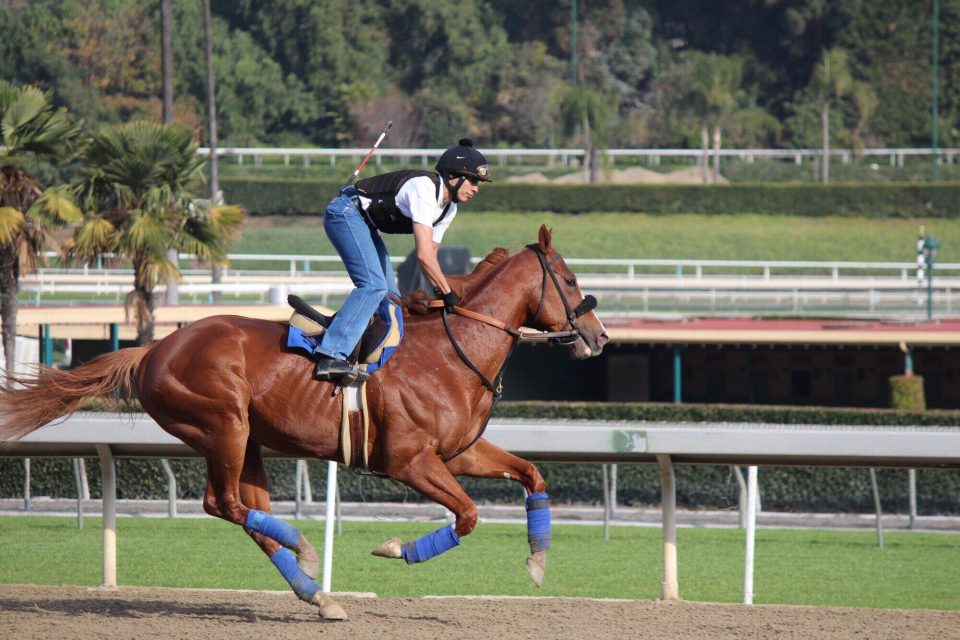
Preparing for a first equestrian event requires focused planning. Early preparation reduces stress and builds steady confidence. Clear routines support horse comfort and rider readiness.
Each step strengthens habits needed for competition success. Small details influence performance more than expected. Consistency creates calm during unfamiliar environments.
Review the sections below and prepare with confidence.
Understanding the Event Format
Every equestrian event follows a specific competition structure. Some events focus on dressage or jumping disciplines. Schedules outline warm up and performance times.
Rules vary based on class and experience level. Reviewing guidelines early prevents unnecessary penalties later. Understanding expectations improves focus before entering arenas.
Familiarity reduces confusion during busy competition moments. Knowledge supports better decision making throughout the event. Preparation starts with clear awareness of requirements.
Setting Clear Goals
Goals help guide preparation for a first equestrian event. Early goals should focus on learning experiences. Winning should never define early competition success.
Simple goals reduce pressure and support confidence. Examples include calm rides and steady control. Goals must align with current rider abilities.
Unrealistic expectations often lead to frustration. Achievable goals encourage long term improvement. Progress matters more than placement results.
Preparing the Horse Physically
Horse fitness directly affects comfort and performance. Conditioning should begin several weeks before competition. Workloads must increase gradually to prevent injury.
Balanced training improves strength stamina and coordination. Rest days support recovery and muscle health. Hoof care should be scheduled well ahead.
Nutrition should remain consistent before event day. Sudden changes may cause digestive discomfort. Physical readiness supports safe confident performance.
Reviewing Tack and Equipment
All tack should be checked well beforehand. Equipment must fit the horse properly. Poor fit can cause pain and resistance.
Clean tack reflects care and professionalism. Worn straps should be repaired or replaced. Practice rides should use planned equipment.
Familiar gear prevents surprises during competition. Comfort improves communication between horse and rider. Reliable equipment builds confidence throughout the event.
Practicing Event Day Routines
Routine creates calm during unfamiliar competition settings. Practice loading grooming and tacking consistently. Repetition builds confidence for horse and rider.
Horses respond best to predictable handling patterns. Riders benefit from knowing each step. Simulated event days reveal weak preparation areas.
Adjustments can be made before competition day. Calm routines reduce stress for both partners. Consistency supports focus and smoother performance.
Planning Travel and Arrival
Travel plans should be finalized well early. Extra time buffers help manage unexpected delays. Horses need time settling after transport.
Early arrival allows relaxed and steady preparation. Parking and unloading areas should be reviewed. Knowing layouts reduces confusion and wasted time.
Walking grounds helps horses adjust calmly. A smooth arrival sets positive tone. Planning prevents rushed and stressful decisions.
Managing Rider Fitness and Focus
Rider fitness supports balance control and endurance. Stretching improves flexibility and riding comfort. Light conditioning helps manage long competition days.
Mental focus is equally important for success. Breathing techniques help calm pre ride nerves. Visualization prepares the mind for performance.
Proper sleep improves alertness and decision making. Hydration supports energy and physical control. Focused riders help maintain calm horses.
Knowing What to Bring
Packing lists help prevent forgotten essentials. Items include paperwork grooming tools and equipment. Weather appropriate clothing should always be included.
Extra supplies help manage unexpected issues. Horse care items should remain easily accessible. Food and water must be planned carefully.
Organization saves time and mental energy. Clear labeling helps during busy moments. Preparation reduces last minute stress greatly.
Learning Event Etiquette
Proper manners are expected at equestrian events. Respect officials staff and fellow riders. Give space while riding or warming up.
Clear communication helps prevent accidents. Following rules keeps everyone safe and calm. Quiet behavior supports horse concentration levels.
Etiquette reflects professionalism and experience. Observing others helps reinforce proper conduct. Courtesy improves the overall event atmosphere.
Reviewing Safety Measures
Safety should always remain the top priority. Protective gear must meet competition standards. Helmets should fit securely and correctly.
Routine safety checks prevent avoidable accidents. Horses should be monitored for stress signs. Warm up areas require heightened awareness.
Emergency procedures should be understood clearly. Quick responses reduce risks during incidents. Preparedness builds confidence for riders.
Understanding the Venue Environment
New environments may affect horse behavior. Unfamiliar sights and sounds cause distractions. Exposure during training reduces sensitivity responses.
Walking courses builds familiarity and confidence. Footing and terrain should be observed carefully. Awareness supports balance and safe movement.
Observation helps anticipate potential challenges. Calm reactions encourage trust from horses. Familiarity reduces anxiety on competition day.
Staying Flexible on Event Day
Unexpected changes often happen during competitions. Flexibility helps manage challenges calmly. Schedules may shift without warning sometimes.
Horses may behave differently than expected. Adjustments should be made without frustration. Calm responses lead to better outcomes.
Focus should remain on safety always. Experience grows through adaptive decision making. Flexibility builds long term resilience.
Gaining Motivation From Major Competitions
Watching professional events can inspire first time riders greatly. Seeing skilled riders helps set realistic expectations. Observing calm horses builds confidence and motivation.
Exposure helps normalize competition environments and routines. It also shows how preparation supports smooth performance.
You can either get tickets for Defender Kentucky Three-Day Event or attend local competitions for inspiration and seeing events live builds excitement and positive focus. Motivation supports consistent training and preparation habits. Inspiration helps maintain long term commitment.
Managing Pre Event Nerves
Nerves are common before a first equestrian event. Feeling nervous does not mean being unprepared. Controlled breathing helps calm the body naturally.
Quiet moments before riding improve mental focus. Familiar routines help reduce anxious thoughts. Positive self talk supports steady confidence levels.
Avoid rushing tasks during preparation periods. Calm riders help horses remain relaxed. Managing nerves improves overall event experience.
Building Confidence Through Observation
Observation plays a strong role in rider development. Watching experienced riders improves understanding of timing and control. It also shows how calm preparation affects results.
Horses benefit when riders apply learned behaviors. Exposure reduces fear of unfamiliar environments. Observing different riding styles builds perspective.
Positive examples encourage steady and realistic expectations. Confidence improves through repeated visual learning. Observation strengthens long term riding confidence.
You Should Prepare for Your First Equestrian Event
Preparation builds confidence for a first equestrian event. Strong habits reduce stress and improve performance. Safety learning and consistency should guide efforts.
Simple preparation creates smoother competition experiences. Confidence grows through repetition and reflection.
Each event strengthens skills and understanding. Good preparation supports future success and enjoyment.
Should you wish to read more, visit our blog. We’ve got more topics for you!