
How to Tell It’s Time to Replace Your Roof Without an Inspection
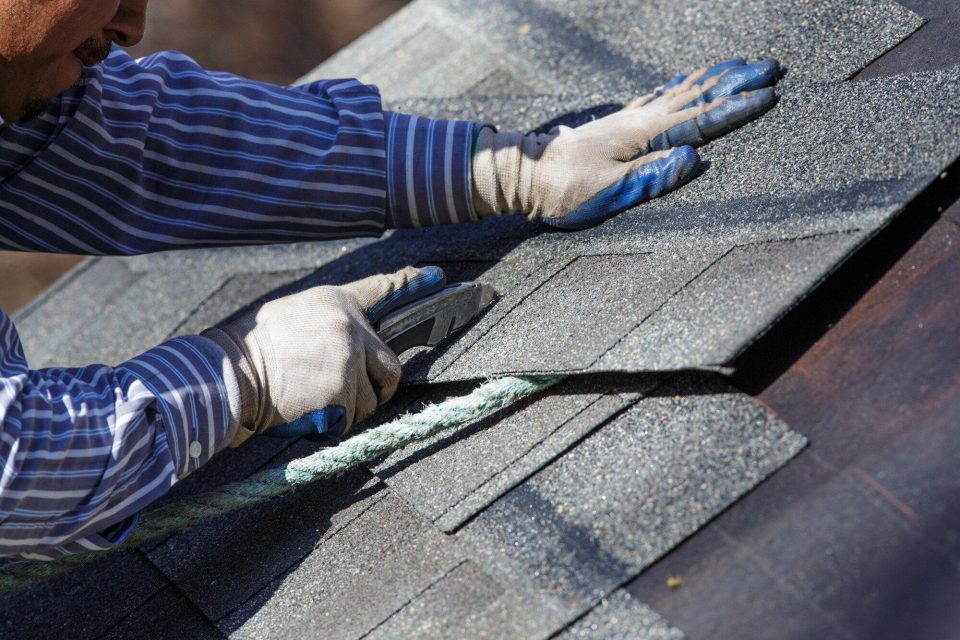
Have you ever looked at your roof and wondered if it is still doing its job? Many homeowners worry about hidden damage but feel unsure about calling for help right away. Knowing how to tell it’s time to replace your roof without an inspection can ease that worry and help you feel more in control.
Your roof often shows clear signs when it is reaching the end of its life. By learning what to look for, you can act early and avoid stress later. This guide will show you simple signs to watch for so you can protect your home with confidence and clarity.
Understanding Why Roof Age Matters
Every roof has a life span, even if it still looks fine from the ground. Most roofs are built to last for many years, but time slowly wears them down. Sun, rain, wind, and heat all work together to weaken roofing materials.
As years pass, shingles lose strength and the roof becomes less able to protect your home. If you know when your roof was installed, that knowledge alone can tell you a lot. A roof near the end of its expected life often needs replacement soon.
Even without climbing up, age can signal risk. Paying attention to time helps you plan before damage spreads.
Shingles That Look Worn or Damaged
Shingles are one of the easiest roof parts to see from outside your home. When they start to curl, crack, or lose pieces, it means they are breaking down. These changes show that the roof can no longer block water as it should.
Missing shingles are an even clearer warning sign. Color changes also matter when you check shingles. Dark spots or uneven shades can mean moisture problems beneath the surface.
When shingles look tired and uneven, they are often past repair. This is a strong sign that replacement may be needed soon.
Granules Collecting Around Your Home
Roof shingles have tiny granules that protect them from sun damage. Over time, these granules loosen and fall away. You may notice them in your gutters or your downspouts.
This is a normal process at first, but heavy buildup is not. When many granules are gone, shingles lose their shield. This leaves the roof open to faster wear and leaks.
If you often see gritty material near drainage area, it suggests your roof is aging fast. This clue is easy to spot and should not be ignored.
Signs of Water Inside the House
You do not need to climb onto the roof to see signs of trouble. Your ceiling and walls can tell you a lot.
Water stains, peeling paint, or soft spots often mean moisture is getting through. Even small stains can point to larger roof problems.
Musty smells in the attic or upper rooms can also signal trapped moisture. Over time, leaks can harm insulation and wood supports.
When water signs appear indoors, the roof may already be failing. This often means replacement is the safest option.
Sagging Areas That Raise Concern
A roof should always look straight and firm from a distance. If you notice areas that dip or sag, that is a serious warning sign.
Sagging often means the roof structure is under stress from moisture or age. This issue can grow worse quickly if ignored.
Even slight dips should be taken seriously. They suggest deeper damage that repairs may not fix.
A sagging roof can affect the safety of your home. When this happens, replacement becomes a smart and necessary step.
Light Showing Through the Attic
If you have access to your attic, daylight can reveal a lot. Light shining through the roof boards means there are gaps or holes.
These openings allow rain, pests, and cold air inside your home. This is never a good sign.
You might also see dark streaks or damp areas around these spots. This shows water has already entered.
When light passes through the roof, the materials have failed. At this stage, replacing the roof is often the best solution.
Rising Energy Bills With No Clear Cause
A damaged roof can affect indoor comfort more than you might expect. When roofing materials weaken, they let heat escape in winter and enter in summer.
This makes your heating and cooling systems work harder. Over time, energy bills may rise without explanation.
If your home feels drafty or uneven in temperature, the roof may be part of the problem. Poor insulation from an aging roof adds strain to your budget. Watching energy costs can help reveal hidden roof issues early.
Moss and Algae Growth That Lingers
Moss and algae can grow on roofs in damp or shaded areas. While small patches may seem harmless, heavy growth can trap moisture. This moisture slowly breaks down shingles and roof layers. Over time, the damage becomes serious.
If cleaning does not stop the growth, the roof may already be too worn. Moss that keeps coming back often means the roof cannot dry properly. In these cases, replacement helps restore protection and prevent further decay.
When Repairs No Longer Seem Worth It
Frequent repairs are a sign that a roof is near the end of its life. If you fix one issue only to see another appear, the cycle can become costly. At some point, repairs stop being effective. Replacement then becomes the smarter choice.
Homeowners sometimes consult a Chamblee, GA Local roofing company for advice when repairs pile up. Even without an inspection, repeated problems suggest deeper wear. Knowing when to stop patching saves time and money in the long run.
Knowing When to Take Action
Learning how to tell it’s time to replace your roof without an inspection helps you act before damage grows. Visible wear, indoor clues, and rising costs all work together as warning signs. Trusting these signs can protect your home and reduce stress.
Replacing a roof may feel like a big step, but waiting can lead to bigger problems. By staying alert and informed, you make better choices for your home.
Did this guide help you? Browse the rest of this section for more advice on a variety of topics.