
How Veterinary Hospitals Address Behavioral Health Issues
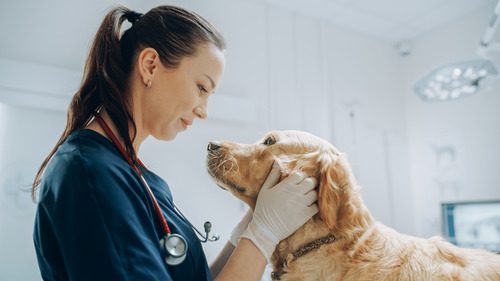
Behavior issues in pets can feel heavy. You might see biting, hiding, chewing, or endless barking and wonder what went wrong. You may also feel guilt or shame. You are not alone. Veterinary hospitals see these patterns every day. You can get real help. A veterinarian in Kitchener can look at your pet’s full health picture. First, they rule out pain, illness, or past injury. Next, they look at routine, home stress, and your pet’s history. Then they create a clear plan you can follow. This often includes simple changes at home, step-by-step training, and sometimes medicine. You learn what your pet is trying to say with each action. You also learn how to respond in a steady way. With the right support, your pet can feel safe. Your home can feel calm again.
Why behavior problems need medical attention
Behavior is often the first sign that your pet hurts or feels sick. You might see:
- Growling or snapping during touch
- Sudden house soiling
- Hiding from family
- Pacing or restless nights
These signs can come from pain, thyroid disease, brain change, or past trauma. A hospital visit lets trained staff sort out what is body and what is learned behavior. You do not need to guess at home.
The American Veterinary Medical Association explains that behavior problems are a common reason pets lose their homes.
First step: full health check
The team starts with a full check of your pet. They often:
- Ask about diet, sleep, and daily routine
- Review past records and vaccines
- Check teeth, joints, skin, and eyes
- Order blood work or imaging when needed
Every detail matters. A dog that growls when lifted may have spinal pain. A cat that urinates on a bed may have bladder disease. Once the health cause is clear, the plan becomes honest and targeted.
Behavior history and triggers
Next, the staff ask careful questions about what you see at home. They want to know:
- When the behavior started
- What happened right before and right after
- Who was present
- Where in the home it happens
You might feel exposed when you share this. Yet this truth allows the hospital to find triggers. For example, a dog may bark at the window only when kids walk by. A cat may scratch furniture only at night. These patterns point to fear, noise stress, or boredom.
Common behavior problems hospitals treat
| Problem | Possible cause | Typical hospital response |
|---|---|---|
| Aggression to people | Pain, fear, poor social history | Health check, safety steps, training plan, medicine when needed |
| Leash reactivity | Fear of dogs, lack of control, past attack | Use of safe gear, distance work, counter training |
| House soiling | Urinary disease, stress, poor access to outdoors or litter | Lab tests, litter or walk routine change, stress care |
| Separation distress | Attachment strain, change in home pattern | Stepwise alone-time training, calming tools, medicine in some cases |
| Noise fear | Past fright, breed risk, lack of sound exposure | Sound training, safe space, short-term medicine for storms or fireworks |
Behavior treatment tools hospitals use
Most plans include three core parts. These work together.
1. Changes to routine and environment
- Set meal and walk times
- More play and mental work like food puzzles
- Safe rest spots away from doors and loud rooms
Small shifts in routine can lower stress. Your pet then has more room to learn new habits.
2. Training and behavior therapy
Many hospitals work with behavior-focused staff or refer to certified trainers. Methods focus on reward and clear limits. Common tools include:
- Teaching calm on a mat
- Rewarding quiet in place of barking
- Slow exposure to feared sounds or sights
The American College of Veterinary Behaviorists shares science-based advice on these methods at the Fear Free Pets education site. You can use this information along with your hospital’s plan.
3. Medicine and supplements
Some pets need medicine. This is not a failure. It is a medical step that supports the brain while you train. A veterinarian may suggest:
- Daily medicine for long-term fear or mood issues
- Short-term medicine for storms, travel, or vet visits
- Supplements that support calm behavior
Staff explain side effects and watch progress. You still use training. Medicine gives your pet space to learn without panic.
How hospitals support your whole family
Behavior issues strain everyone in the home. Children may feel afraid. Adults may feel anger or shame. A hospital team can:
- Explain safety rules in simple steps
- Show kids how to touch and play in safe ways
- Set clear house rules so every adult responds the same way
As your pet gains new skills, your family also learns new habits. This shared effort builds trust on both sides.
When to seek help right away
Do not wait if you see:
- Bites that break skin
- Sudden change in behavior in an older pet
- Refusal to eat or move
These signs often mean pain or serious illness. Call your veterinary hospital the same day. Early help protects both your pet and your family.
Moving forward with hope and clarity
Behavior problems do not mean your pet is bad. They signal pain, fear, confusion, or unmet needs. A veterinary hospital has the tools to uncover the cause and guide you through change. With clear steps, steady practice, and medical care when needed, you can protect your bond with your pet. You can build a home that feels safe for every member of your family.