
Innovative Approaches to Pipeline Sustainability
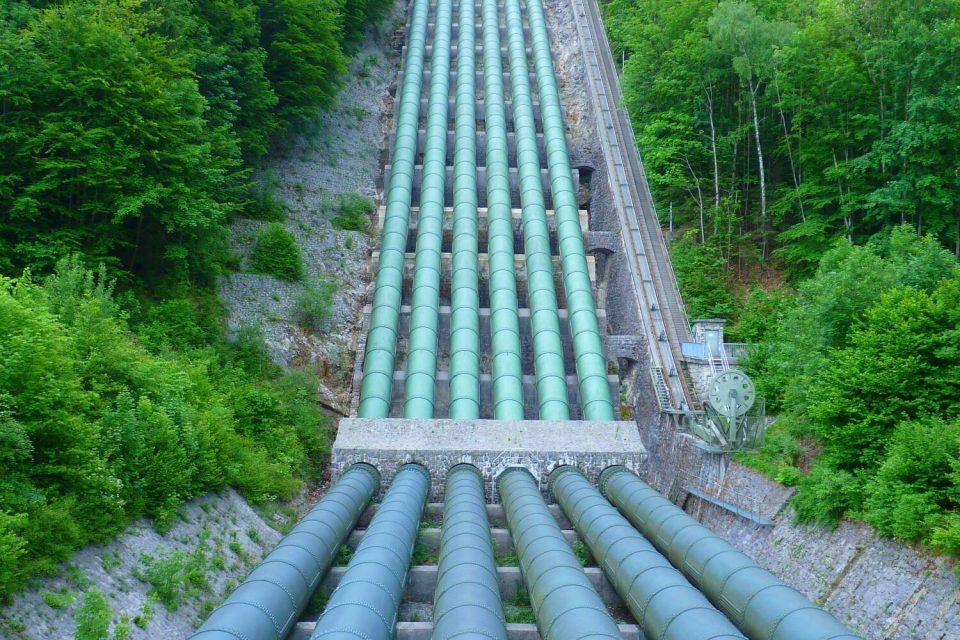
Pipelines carry vital resources like oil, gas, and water. They must stay safe to prevent major problems. Pipeline failure can lead to high costs and serious damage.
Corrosion, pressure issues, and aging pipes are common causes. Detecting problems early reduces risks and saves money. Modern tools and strategies help pipelines stay reliable for longer.
Explore the sections below to learn the key approaches that improve pipeline sustainability. That way, you can prevent failures.
Advanced Monitoring Systems
Monitoring shows pressure, flow, and temperature. Sensors detect leaks or blockages fast.
Data helps operators fix problems quickly. Software can predict issues before they happen.
Maintenance can be timed based on this data. Early Signs of Pipeline Failure are easier to see with monitoring.
Alerts can trigger inspections immediately. Operators can track changes over days or months. This system lowers the chance of sudden accidents.
Corrosion Prevention Techniques
Corrosion wears down pipes. Coatings and liners protect them. Electric currents reduce corrosion risk.
Regular inspections show early damage. Choosing strong materials helps pipes last longer.
Preventing corrosion saves money and avoids leaks. Pipes near water or chemicals need extra care.
Corrosion control extends the life of pipelines. This approach also reduces environmental risks.
Pressure Management Solutions
Pressure changes can break pipes. Valves and regulators keep pressure steady. Sensors alert when pressure is too high or low.
Automated controls respond to sudden changes. Maintenance can stop small problems from growing.
Proper pressure keeps pipelines safe and working. Pressure spikes can cause long-term damage.
Operators use data to plan repairs. Steady pressure improves pipeline efficiency.
Smart Material Selection
Strong materials make pipelines last longer. Alloys and composites resist wear and corrosion. Lining pipes reduces friction.
Material choice depends on what flows inside. Regular checks prevent failure.
Using the right materials cuts repair needs. Some materials handle extreme temperatures better.
Choosing the correct material saves future costs. Long-lasting pipes reduce environmental impact.
Remote Inspection Tools
Drones and robots inspect pipes in hard spots. They take clear images for review. Remote inspections reduce manual work.
Data helps plan maintenance. Tools save time and lower risk.
Inspections keep pipelines safe and reliable. They can reach underground or underwater pipes.
Real-time imaging speeds up repairs. Inspections reduce the chance of unnoticed leaks.
Efficient Maintenance Practices
Scheduled maintenance keeps pipes clear. Cleaning and fixing prevent blockages. Plans adjust based on monitoring.
Quick fixes stop big problems. Maintenance reduces downtime and cost.
Regular work ensures pipelines last longer. Teams follow set checklists for safety.
Predictive maintenance avoids unexpected failures. Maintaining pipelines consistently supports long-term operations.
Emergency Response Planning
Pipelines can still face unexpected problems. Having a clear emergency response plan is essential. Teams should know exactly what to do during leaks or breaks.
Communication systems help alert operators and nearby communities quickly. Regular drills ensure everyone follows the plan correctly. Fast responses reduce damage to people, property, and the environment.
Emergency kits and tools should be readily available. Coordination with local authorities improves safety. Proper planning makes pipelines safer and minimizes the impact of failures.
Discover Innovative Approaches to Pipeline Sustainability
Pipeline safety needs monitoring and care. Early fixes prevent costly problems.
Strong materials and pressure control extend life. Remote inspections and corrosion prevention help. Routine maintenance keeps pipelines running well.
These methods make pipelines safe, reliable, and long-lasting. Planning ahead reduces risk of failure.
Sustainability keeps operations efficient over time. Investing in pipeline care protects communities and resources.