
Menopause Fitness Instructor: Expert Guidance for Healthy Aging
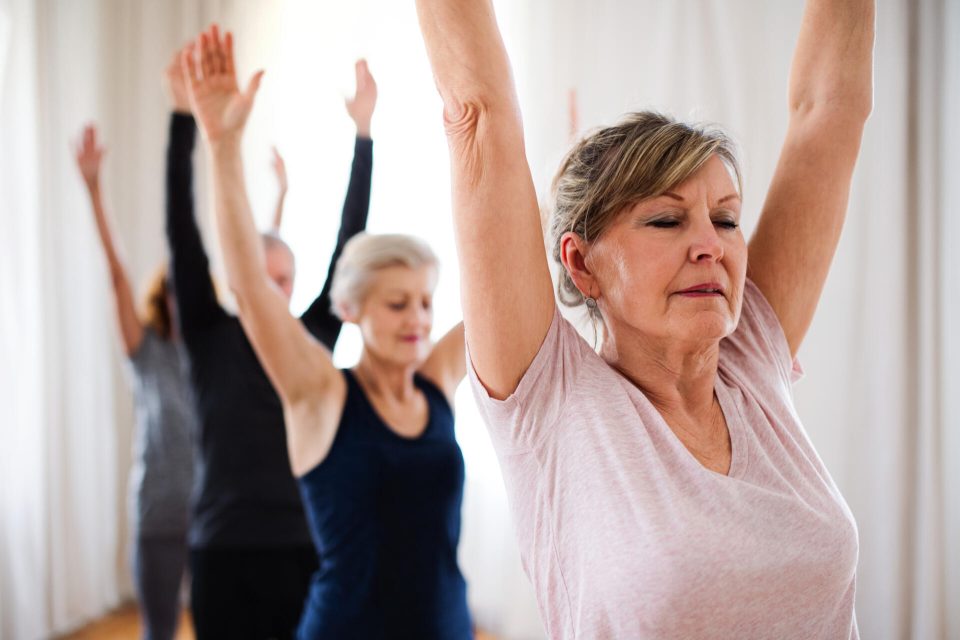
Menopause is a natural stage of life, but it often brings changes that affect strength, energy, and overall health. Many women find that the fitness routines that once worked for them no longer feel right.
This is where a menopause fitness instructor can make a difference. These specialists understand how the body changes during menopause and help women stay active in a safe and effective way.
With the right guidance, exercise can support strength, balance, and long-term wellness.
Read on to learn how a menopause fitness instructor can support healthy aging.
Understanding the Role of a Menopause Fitness Instructor
A menopause fitness instructor focuses on exercise programs designed for women experiencing perimenopause, menopause, or post-menopause. These professionals understand how hormonal changes affect the body, including muscle loss, slower metabolism, and reduced bone density.
They guide clients through safe and effective workouts that support strength, mobility, and overall health. Instead of generic routines, they design programs that match a woman’s age, fitness level, and health goals.
Physical Changes During Menopause
Menopause can affect several aspects of physical health. Many women experience a gradual loss of muscle mass and bone density. This can increase the risk of osteoporosis and injuries if exercise is not managed properly.
Weight gain is another common concern. As metabolism slows, the body may store more fat, especially around the abdomen. Hormonal changes can also influence energy levels and sleep quality.
A menopause fitness instructor understands these changes and adjusts exercise routines accordingly. By choosing the right type of workouts, women can manage many of these challenges and protect their long-term health.
Why Exercise Is Important During Menopause
Exercise provides many benefits for women going through menopause. Regular physical activity helps maintain muscle strength and supports bone health. This reduces the risk of fractures and improves overall mobility.
Cardiovascular exercises such as walking, cycling, or swimming improve heart health and endurance. Strength training helps maintain lean muscle and supports metabolism.
Exercise also helps manage stress and mood changes. Physical activity releases endorphins that promote relaxation and improve emotional well-being. Many women find that consistent exercise also improves sleep and boosts daily energy levels.
Key Types of Exercises for Menopause Fitness
A balanced exercise routine usually includes several types of training. Strength training is important because it helps preserve muscle mass and support bone density. Resistance bands, weights, or bodyweight exercises are often used.
Cardio workouts help strengthen the heart and improve stamina. Activities such as brisk walking, dancing, or cycling are common choices.
Flexibility exercises like stretching or yoga improve mobility and reduce stiffness. Balance exercises are also important because they help prevent falls and support stability as the body ages.
Training to Become a Menopause Fitness Instructor
Fitness professionals who want to specialize in this area often complete specific training programs. These certifications teach trainers how menopause affects metabolism, muscle strength, bone health, and recovery.
The courses also explain how to design safe workout plans for women experiencing menopause symptoms. Trainers learn coaching techniques that help them support clients both physically and emotionally.
One example of professional training is available at https://www.americansportandfitness.com/products/menopause-fitness-certification. Programs like this help trainers gain the knowledge needed to guide women through this stage of life with confidence.
Find the Best Menopause Fitness Instructor
Menopause is a natural life transition, but it does not have to limit physical activity. With proper exercise and expert guidance, women can remain strong, active, and confident.
Menopause fitness instructor plays an important role in supporting healthy aging and helping women maintain long-term wellness.