
Osteo Meaning for Students and Patients

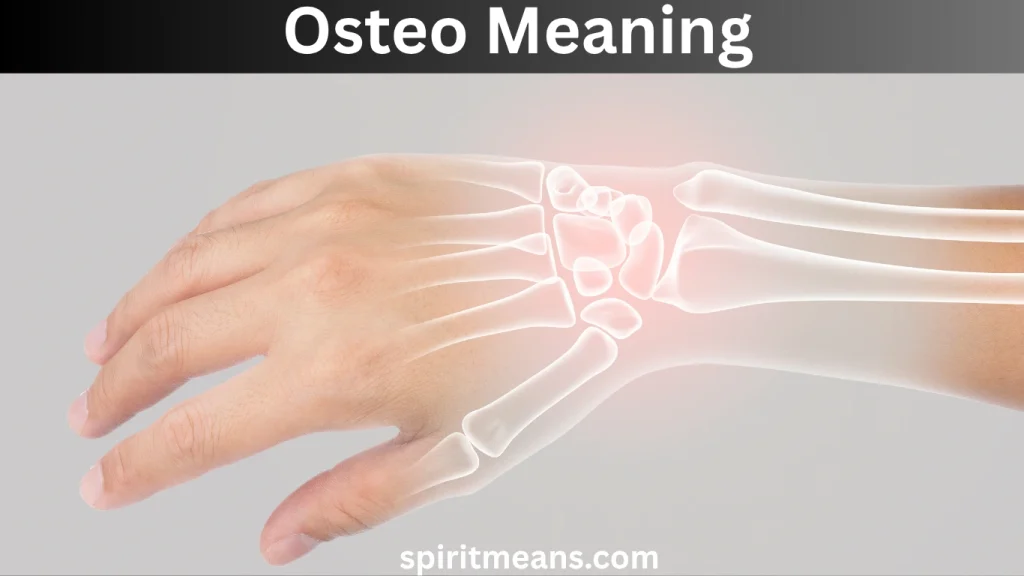
When you hear the term “osteo,” you may wonder what it really means. The word sounds scientific, and that’s because it is. In the world of medicine and anatomy, it plays a big role. The osteo meaning comes from the Greek word osteon, which means “bone.” This root is found in many terms that relate to bones, health, diseases, and treatments.
Understanding this word is useful, especially if you’ve ever read a medical report, heard a doctor explain a condition, or even studied science in school. Many health conditions use it in their names, and knowing what it stands for helps you understand what’s being talked about.
Where the Word Comes From?
The word root “osteo-” comes from Greek origin, where osteon refers to bone. Over time, this word became a root used in medical language. It connects directly to things involving the skeleton. When doctors, scientists, or even health articles talk about the bones, they often use this prefix.
Here is a table showing how the root is used:
| Word | Meaning |
| Osteology | The study of bones |
| Osteopathy | Bone-based medical practice |
| Osteoarthritis | Bone and joint inflammation |
| Osteoporosis | Weak and porous bones |
| Osteoblast | A bone-forming cell |
| Osteomyelitis | Bone and bone marrow infection |
As you can see, the prefix shows up in many important terms. This table helps you link words to their meaning. Knowing the osteo meaning makes it easier to understand these terms.
How It Is Used in Medicine?
In modern medicine, the root appears in dozens of conditions and practices. One of the most common is osteoporosis, a disease that weakens bones. This condition happens more often in older people, especially women, and is caused by the loss of bone mass. Another common condition is osteoarthritis, where joints become stiff and painful due to changes in the bone and cartilage.
The root also appears in the field of osteopathy, a form of medical care that focuses on the bones and muscles. Practitioners in this field believe that the body’s structure—bones, joints, and muscles plays a key role in health.
Using this root helps keep medical language clear and easy to connect. Doctors, students, and patients can all benefit by understanding what it refers to.
Role of Osteo in Bone Science
Osteology is the study of bones. This science helps researchers and doctors understand how bones grow, how they break, and how they heal. It also helps in learning about diseases that affect the skeleton. This area of study has been used in fields like forensics, where bones help solve crimes, and in anthropology, where bones help explain the past.
It also appears in cell biology. For example, osteoblasts are the cells that build new bone. Meanwhile, osteoclasts are cells that break down bone tissue. These two work together to keep bones strong and healthy. When one doesn’t work well, it can lead to disease. Learning about these cells is part of understanding the full osteo meaning.
Importance in Everyday Health
Bones are the support system of the body. They protect organs and help us move. But over time, bones can lose their strength. That’s why it’s important to understand the terms that describe bone health.
People often hear about calcium, vitamin D, and weight-bearing exercise. All of these help bones stay strong. When doctors say you might be at risk for osteoporosis, they are saying your bones may be weak. They may use the term osteopenia, which means low bone mass. Even though these words sound complex, they become clear once you know the osteo meaning.
Real-Life Examples of Use
Let’s take an example. Imagine a 65-year-old woman visits a doctor and says she feels back pain and is losing height. The doctor might test her bones. If the results show thinning bones, the doctor could say she has osteoporosis. That means her bones are weak and at risk of breaking. The name tells you what the issue is—“osteo” (bone) + “porosis” (porous or thin).
Or, if a young athlete injures his knee, the doctor might check for osteoarthritis. This tells us the problem involves bones and joints. Again, knowing the prefix helps you understand the condition.
Here is another example in a table:
| Condition | What It Means | Who It Affects |
| Osteoporosis | Weak and porous bones | Older adults, mostly women |
| Osteoarthritis | Joint and bone inflammation | Middle-aged and elderly |
| Osteomyelitis | Bone infection | All age groups |
| Osteopenia | Low bone density | Young adults, elderly |
Knowing what these words mean can help people take action early and understand what the doctor is saying. They don’t have to feel confused when medical terms are used.
Why It Matters in Learning and Language?
Medical terms often seem difficult. But most are built using simple roots and endings. The osteo meaning is one of the easiest to learn because it connects directly to something we all have: bones. Kids, students, and adults can all learn this root and use it to unlock the meaning of more complex terms.
When students study biology or health, they will see this root again and again. It’s part of the language of science. Teachers and textbooks often explain this, but even if they don’t, once you know the meaning of the root, it helps you understand many new words.
The power of understanding roots like this lies in being able to guess the meaning of new words. That’s a skill not just for school, but for life. If you read a news article or listen to a health podcast, and someone says “osteopathy,” you will already have a basic idea what it means.
How the Prefix Helps in Word Formation?
Word roots and prefixes are often used in combination to make new terms. For example, “osteo” can be paired with:
- -itis, meaning inflammation → osteitis
- -genesis, meaning formation → osteogenesis
- -lysis, meaning breaking down → osteolysis
All these show how the osteo meaning blends with other word parts to make clear, useful terms. These are seen in medical charts, scientific papers, and even TV shows about hospitals.
Frequently Asked Questions
What does the root “osteo” mean?
It means bone and comes from the Greek word osteon. It is used in medical and science terms related to bones.
Why is the root used in so many health terms?
Because bones are a vital part of the body, and many health issues deal with them. Using the root makes the terms clearer.
What are examples of words using “osteo”?
Words like osteoporosis, osteopathy, osteoblast, and osteomyelitis all use it to relate to bone.
Is it only used in medicine?
No. While mostly used in health, it also appears in anthropology, biology, and even archaeology.
Is it important to know this root?
Yes. Knowing it helps you understand many terms and improves your ability to learn more about your health.
Conclusion
The root osteo- may seem like just a small part of a word, but it carries big meaning. Whether you’re reading about a disease, studying science, or listening to your doctor, it helps to know what it means. The osteo meaning is tied to your bones, your body’s frame, and your health.
Learning this root gives you a deeper understanding of medical terms. It also makes it easier to talk about your health or someone else’s. Knowing that “osteo” means bone lets you connect the dots when you hear or see complex words.
As more people learn about their health and well-being, understanding simple roots like this becomes even more important. They help us become active participants in our care. So next time you hear a word like osteopathy or osteoporosis, remember: it all starts with bones—and the word that means bone is osteo.
Also, Read Aid and Abet Meaning vs Accessory: Ahat’s the Legal Difference?