
Practical Strategies to Elevate Your Golf Game

Post Preview
Key Takeaways
- Consistent pre-shot routines lead to confidence and focus.
- Physical conditioning enhances flexibility and strength, leading to improved swings.
- Technology and coaching offer targeted improvements from feedback and analysis.
- Efficient practice and customized equipment provide real-game advantages.
- Mental toughness is crucial for achieving sustained progress and navigating adversity on the course.
Table of Contents
- Establish a Consistent Pre-Shot Routine
- Enhance Flexibility and Strength
- Utilize Technology and Training Aids
- Seek Professional Coaching
- Implement Effective Practice Strategies
- Develop Mental Toughness
- Customize Your Equipment
- Practice Efficiently
Elevating your golf game is more than just hitting the range – it’s about refining your technique, building physical strength, and developing mental resilience. Whether you’re an amateur golfer aiming to break 90 or an experienced player striving for consistency, a comprehensive approach can transform your performance. Explore proven methods, including insights from the masters and innovative resources like Bird Golf Florida, to create a game improvement plan that yields measurable results.
Building a repeatable swing, maintaining focus during pressure situations, and making smarter choices on the course all contribute to consistent play and lower scores. By implementing strategic practice routines and leveraging modern training tools, you ensure improvement across every facet of your game. Learning from leading coaches and investing in your physical fitness will set you apart when it matters most.
Establish a Consistent Pre-Shot Routine
Success on the golf course begins with proper preparation. A reliable pre-shot routine doesn’t just calm the nerves—it forms the foundation for consistent shot execution. Take a cue from elite professionals like Rory McIlroy, who invest in a precise sequence of visualization, rehearsal swings, and focused setup before every shot. This routine minimizes distractions, enhances concentration, and allows you to approach each opportunity with clarity. Research from Golf Digest shows that players who cultivate a repeatable pre-shot process statistically gain greater consistency and confidence over time.
Enhance Flexibility and Strength
Elite golfers blend athleticism with technical skill. Improved flexibility in critical areas, such as the hips, shoulders, and back, enables a fuller, more coordinated turn during the swing, thereby reducing the risk of injury. Practicing targeted mobility exercises—such as wall reaches, torso twists, and dynamic side bends—builds the foundation for athletic movement. Incorporating strength routines that focus on the core, glutes, and legs not only adds distance off the tee but also enhances your ability to control the clubface through impact. Training both flexibility and strength is now recognized by leading sports medicine experts as essential for sustainable progress and reduced injury risk.
Utilize Technology and Training Aids
The modern golfer has access to a suite of training technologies previously available only to professionals. Golf simulators and launch monitors provide real-time data on club speed, face angle, ball spin, and trajectory, enabling you to pinpoint areas that require improvement. Training aids, such as alignment sticks, swing trainers, and impact bags, help reinforce fundamental mechanics and facilitate targeted drills. Integrating tech-driven feedback into practice sessions yields faster results and allows for measurable progress, making it easier to address recurring issues before they become habits.
Seek Professional Coaching
Even the world’s best golfers benefit from expert feedback and guidance. A certified golf instructor can spot technical flaws, customize drills, and create a structured improvement plan specific to your goals. One-on-one coaching also accelerates progress by providing instant corrections and addressing questions in real-time. In addition to technical insight, a knowledgeable coach can help you navigate the mental side of the game, including course management and pressure situations, which makes a significant difference in actual competition play.
Implement Effective Practice Strategies
Practicing with purpose is more effective than simply logging hours at the range or on the green. Structured sessions—focused on particular aspects such as putting, chipping, or iron accuracy—yield better results than unstructured repetition. Experts recommend setting clear objectives before each session and using feedback from previous practice or on-course experiences to target areas with the most room for growth. Keeping a journal or detailed records of drills and outcomes further enhances accountability and progress tracking.
Develop Mental Toughness
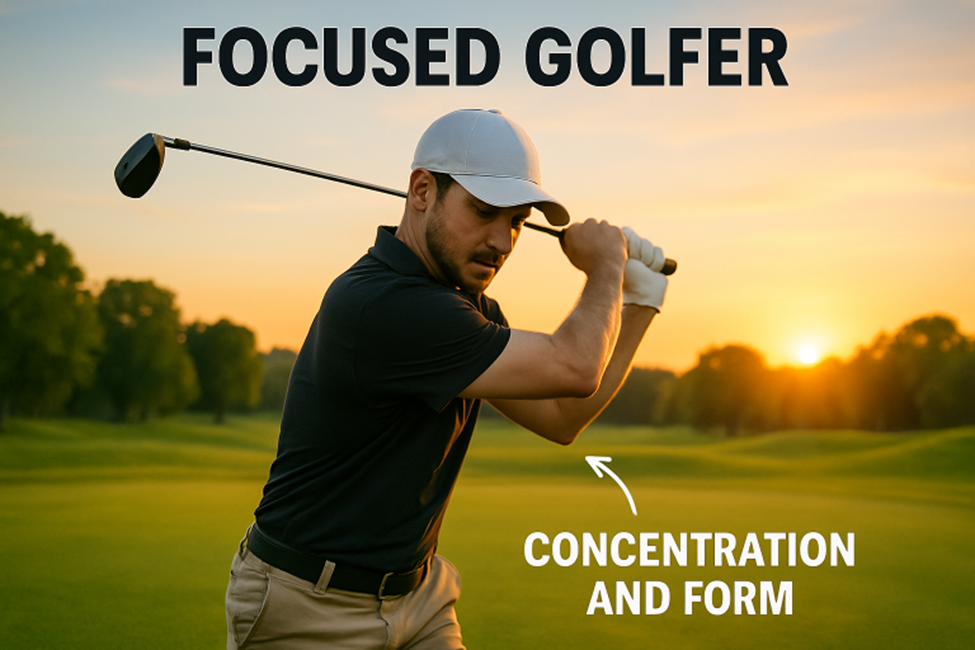
Golf’s most significant challenges often exist between the ears. Maintaining composure under pressure, bouncing back after poor shots, and staying present are all key to consistent play. Techniques such as controlled breathing, visualization, and mindfulness help manage nerves and enhance your ability to execute under challenging circumstances. A consistent pre-shot routine, as previously noted, also contributes to psychological readiness. Psychology experts often highlight the critical role of positive self-talk and resilience—frameworks also applied successfully by the world’s top golfers.
Customize Your Equipment
Playing with clubs tailored to your physique and swing characteristics can dramatically improve control and consistency. Custom-fitting addresses key variables such as shaft length, grip size, flex, and lie angle, all of which affect how efficiently you can deliver the club to the ball. Getting fit at a qualified pro shop ensures your equipment complements your swing, is comfortable over a round, and helps minimize compensations or swing flaws often caused by ill-fitting gear.
Practice Efficiently
Efficient practice incorporates not just isolated drills but also simulates real-game scenarios—varying lies, shot distances, and club selections. This type of training bridges the gap between range performance and on-course execution, building adaptability and confidence under tournament conditions. Tracking your results, incorporating skill challenges, and regularly reviewing progress with a coach or in a dedicated journal keeps your practice results-oriented and enjoyable.
Integrating these strategies helps you develop a holistic approach to golf improvement. With focused effort, the proper support, and a willingness to learn, you can consistently elevate your performance and find greater satisfaction every time you step onto the course.