
Rapid Water Damage Restoration for Safe, Dry Spaces
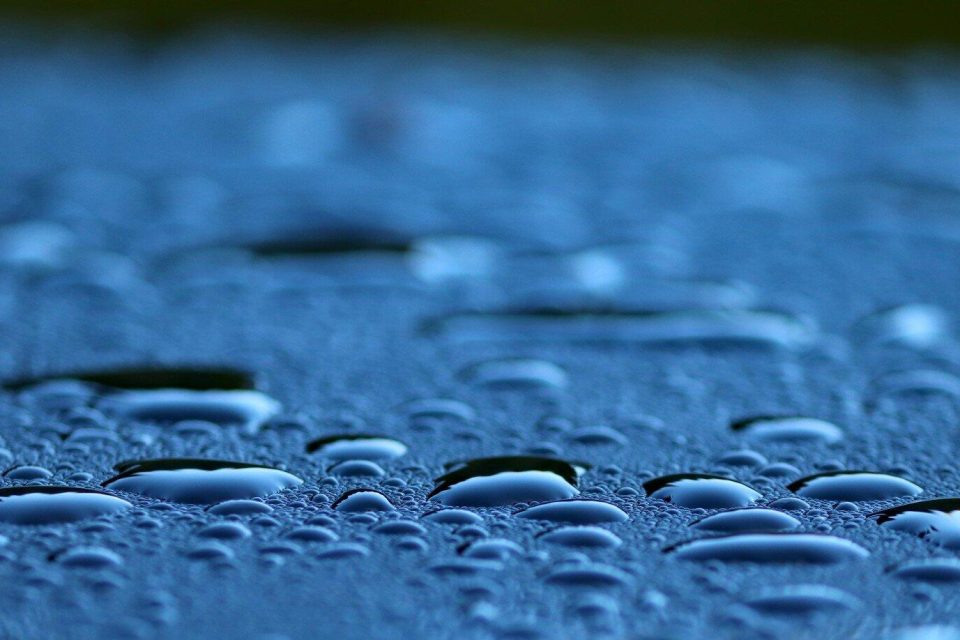
What happens when water rushes into a home or business without warning? Sudden moisture can spread fast and cause silent harm. Hidden areas may weaken before anyone notices.
Floors may warp as hours pass. Walls may trap damp air that encourages mold. Belongings may suffer damage that becomes costly to fix.
This guide explains how fast action protects property and restores safety. Keep on reading!
Stopping Water at the Source
You can avoid bigger problems in the future by stopping the flow as soon as possible. Cutting off the main supply line is one of the most common ways to stop damage right away. If something is making you feel stressed, take a few slow, easy steps.
Getting rid of water that is sitting still as soon as possible keeps it from getting into the floors and walls. It is important to act quickly to protect the structure before it gets harder to fix.
Assessing the Full Extent of Damage
A careful inspection helps reveal the true spread of moisture. Hidden pockets of water can sit under boards or inside drywall. Skilled teams use tools that detect damp spaces not seen by the eye.
Early discovery reduces the chance of mold growth in dark corners. A good assessment ensures that every needed repair is planned well.
Drying and Dehumidifying Each Affected Area
Strong fans and dehumidifiers help pull moisture from the air. Dry surfaces stop mold from settling and spreading. Proper airflow reduces long-term odors caused by lingering dampness.
Removing moisture helps materials recover without long delays. These steps form a steady path toward emergency water damage restoration when done with care.
Cleaning and Sanitizing for Health and Safety
Polluted water can spread germs that can be harmful to your health. When flooding happens, harmful debris can be cleaned up safely. Cleaning surfaces protects workers and their families who come back to the building.
Eliminating dirt helps keep bad smells and decay from happening in the future. Since this work was done so carefully, the area is now ready for the last repairs.
Repairing and Restoring Key Structures
Even after they have been cleaned, damaged parts need constant care. When the swelling gets really bad, the floors might need to be replaced. It’s possible that walls need new panels to make sure they are strong and insulated.
It is possible to keep the building’s style by fixing up the fixtures and trim. The area is now safe and comfortable again thanks to these thoughtful repairs.
Preventing Future Water Problems
Simple habits make it less likely that another emergency will happen. By checking hoses and pipes on a regular basis, problems can be found earlier. Drains that are kept clean keep water away from the foundations and roofs.
When there is good drainage, rain moves away from places that are weak. By taking these steps, you can protect your property and feel safe for a long time.
Efficient Cleanup and Moisture Control Solutions To Protect Property
Water can be stopped before it does long-lasting damage that threatens safety, health, and comfort. Careful steps, like stopping the flow and then drying, cleaning, and fixing the building, give it a good chance to get better.
Using reliable methods can help cut down on costly losses and keep people safe who depend on safe environments. When water hits, property owners can act quickly and with confidence if they have clear instructions. The right approach makes people stronger and protects important places by keeping them dry, safe, and welcoming.
Did you like this guide? Please browse our website for more!