
Smile Makeovers 101 What To Expect From Cosmetic Dentistry
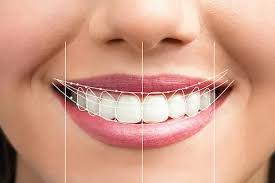
You might look in the mirror and feel your smile does not match how you see yourself. Cosmetic dentistry can change that in clear, planned steps. A smile makeover uses treatments like whitening, bonding, veneers, and reshaping to fix chips, stains, gaps, and uneven teeth. You are not chasing perfection. You are choosing a smile that fits your face, your age, and your goals. This guide explains what happens before, during, and after treatment. You will see how dentists plan your care, what each option can do, and how long results can last. You will also learn about cost, timing, and how to care for your new smile. If you live near Westmont, you can explore local options at https://dentistsofhinsdalelake.com/areas-we-serve/westmont/. You deserve clear facts and honest expectations. You also deserve a smile that lets you speak, eat, and laugh without holding back.
What a Smile Makeover Really Means
A smile makeover is a plan that uses two or more cosmetic treatments to change how your teeth look. It does not replace medical care. It builds on healthy teeth and gums.
You and your dentist agree on three things.
- What you want to change
- What your mouth can support
- What fits your budget and time
You might focus on color, shape, or spacing. You might also fix worn edges or old fillings that show when you smile. The goal is a natural look that feels like you.
Step One: Your First Visit and Evaluation
The first visit sets the ground rules. Your dentist will usually
- Ask what you like and do not like about your smile
- Check teeth, gums, and bite
- Take x rays or photos as needed
- Review your health history and medicines
The dentist must treat any decay or gum disease before cosmetic work. The Centers for Disease Control and Prevention explains how common these problems are and why treatment matters at https://www.cdc.gov/oralhealth/fast-facts/index.html.
Next, you may see a preview of your new smile. The dentist may use digital pictures or a simple mockup with tooth colored material. This helps you agree on color and shape before any permanent change.
Common Smile Makeover Treatments
Most smile makeovers use a mix of these options.
- Teeth whitening. Lightens stains from coffee, tea, smoking, or age.
- Bonding. Uses tooth colored resin to cover chips and small gaps.
- Veneers. Thin shells on the front of teeth to change color and shape.
- Contouring and reshaping. Gently trims enamel for smoother lines.
- Aligners or braces. Move crooked or crowded teeth into better positions.
- Crowns. Cover damaged or worn teeth that show when you smile.
The American Dental Association offers plain language on many of these options at https://www.mouthhealthy.org/all-topics-a-z.
Comparison of Common Cosmetic Options
| Treatment | Main purpose | Typical time | Lasts about | Good for |
|---|---|---|---|---|
| In office whitening | Lighten tooth color | One visit | 1 to 3 years | Stains and yellow teeth |
| Bonding | Fix chips and small gaps | One visit | 3 to 7 years | Minor shape problems |
| Porcelain veneers | Change color and shape | Two to three visits | 10 to 15 years | Worn, stained, uneven teeth |
| Clear aligners | Straighten teeth | Months of wear | Needs retainers | Crowding and spacing |
| Crowns | Cover weak or damaged teeth | Two visits | 10 to 15 years | Cracked or large filled teeth |
This table gives only rough ranges. Your own results depend on your bite, habits, and daily care.
What To Expect During Treatment
The steps will match your plan, but most people can expect three phases.
- Planning. Photos, x rays, maybe molds. You agree on color, shape, and order of care.
- Active treatment. Whitening, bonding, shaping, or placing veneers or crowns.
- Fine tuning. Small shape changes, bite checks, and final polish.
Your dentist will use numbing when needed. You may feel pressure or sound, but you should not feel sharp pain. If you feel fear, say so. You can ask for breaks, music, or other support.
Costs, Insurance, and Planning Ahead
Cosmetic dentistry costs vary by city, material, and skill. Insurance often pays for work that protects health, like crowns on cracked teeth, but not for changes that are only cosmetic.
To plan, you can
- Ask for a written estimate by step
- Talk about lower cost options that still meet your goals
- Spread care over months to manage cost and time away from work or school
Some offices offer payment plans or phased treatment. You can start with whitening and bonding, then later add veneers or aligners.
How To Keep Your New Smile Strong
Results last longer when you protect them. Simple daily steps matter.
- Brush with fluoride toothpaste twice a day
- Clean between teeth once a day with floss or another tool
- Use a mouthguard if you grind or play contact sports
- Limit dark drinks and tobacco that stain teeth
- See your dentist for regular checkups and cleanings
Whitening may need touch ups. Bonding may need repair after years of use. Veneers and crowns can chip if you bite ice or hard objects. Respect the work and it will serve you well.
Is a Smile Makeover Right for You
You may be a good match if you
- Hide your teeth when you laugh or talk
- Avoid photos because of your smile
- Have stains, chips, gaps, or uneven edges that bother you
- Have healthy gums and no active decay
Change is not only about looks. A balanced bite can ease strain. Smooth edges can feel better on your lips and cheeks. A smile you trust can also lift your mood and help you speak up at work, at school, and at home.
Next Steps
You do not need to guess or feel ashamed. You can bring your concerns to a dentist you trust and ask for a simple review of your options. You can start small and build over time. Your smile makeover is not about becoming someone else. It is about letting the person you already are show up without fear.
Creating a Sanctuary: Integrating Holistic Design in Luxury Homes