
Softball Performance Training and Athlete Development
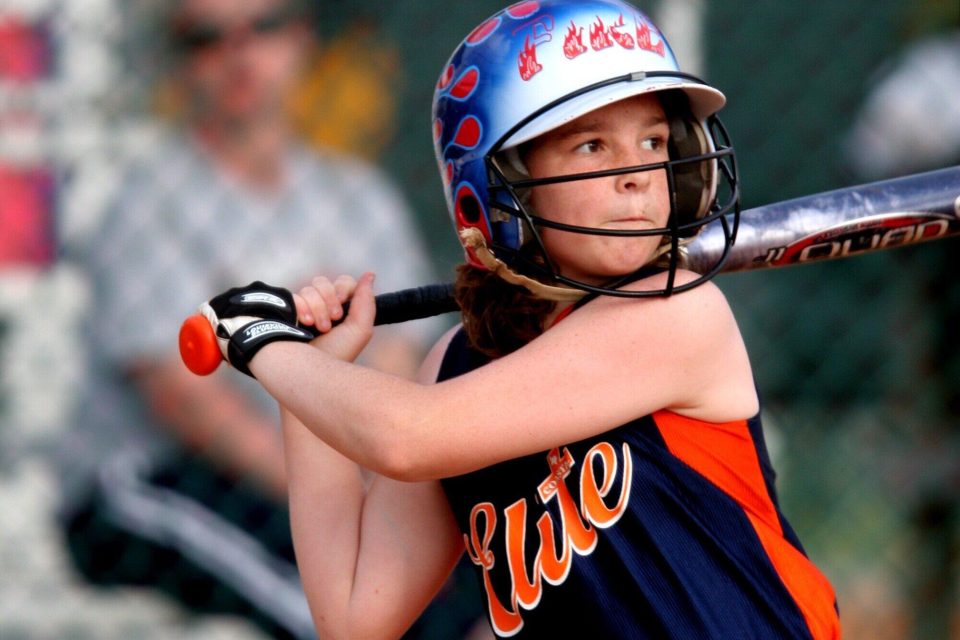
Softball is a sport that needs many skills. Players need to throw, catch, hit, run, and work with teammates. Training programs help players improve these skills through practice and coaching. This helps them grow as athletes both on and off the field.
Many training programs include coaching, fitness work, and skill practice. These parts work together to help players improve. Athletes learn new skills and better ways to play the game. Continue reading to discover everything you need to know.
The Importance of Quality Coaching
Coaches play a big role in player growth. They teach skills and help players understand the game. They also give support and advice. This helps players improve over time.
Good coaches teach the right way to do things. Learning good habits early can help players later. Strong basic skills help athletes perform better. These skills create a strong foundation.
Coaches also help players set goals. Goals help athletes stay focused. Players can track their progress as they improve. This helps keep training on the right path.
Developing Sport-Specific Skills
Softball players need many different skills. They must learn how to throw, catch, hit, run, and field. Some positions need special skills as well. Training helps players build these abilities.
Practice is an important part of learning. Doing the same skill many times helps players improve. It helps movements become more natural. This can lead to better game performance.
Many drills are designed to look like real game situations. Players learn how to use their skills during play. They can react faster and make better choices. This helps prepare them for competition.
Improving Strength and Conditioning
Fitness is important in softball. Players need strength, speed, balance, and endurance. Training programs help improve these areas. Better fitness can help athletes perform better.
Strength training helps players build power. More power can help with throwing and hitting. Strong muscles also support better movement. This may help lower the chance of injury.
Fitness programs often include running and movement drills. These activities help players move faster on the field. Quick movement can make a big difference during games. This can help athletes perform at a higher level.
Enhancing Speed and Agility
Speed is important in softball. Players need to run fast between bases. They may also need to chase balls in the field. Quick movement can help players succeed.
Agility helps players change direction quickly. Training drills often focus on balance and movement. These exercises help athletes move with more control. Better agility can improve game performance.
Faster players can help their teams in many ways. They may reach base more often. They can also cover more ground on defense. These skills help the entire team.
Building Confidence Through Training
Confidence is important in sports. Players often perform better when they believe in themselves. Training helps athletes feel more prepared. This can increase confidence.
Learning new skills helps players trust their abilities. Practice gives them more experience. Success during training can carry over into games. This often leads to stronger performance.
Coaches also help build confidence. Positive feedback can encourage athletes. Support from coaches helps players keep trying. This supports steady growth.
Understanding Game Strategy
Softball is not only about physical skills. Players must also learn how to think during the game. Good decisions can affect the outcome of a game. Training helps athletes improve game awareness.
Players learn how to react in different situations. They practice making quick decisions. This helps them understand the game better. Better understanding often leads to better play.
Strategy also helps teamwork. Players learn their roles on the field. They understand how to work together. Good teamwork can improve team success.
The Value of Consistent Practice
Regular practice helps athletes improve. Skills grow through effort and repetition. Players who practice often usually make steady progress. Small improvements can add up over time.
Practice helps players fix mistakes. It also helps them improve their techniques. This supports long-term development. Consistent work often leads to better results.
Players who practice regularly gain experience. They become more comfortable during games. This can improve confidence and performance. Regular practice is an important part of growth.
Access to Advanced Training Resources
Many training programs offer helpful resources. Players may use special equipment and training tools. These resources help support learning and skill growth. They create more chances to improve.
Some programs provide personalized instruction. Coaches may focus on the needs of each athlete. This can help players improve more quickly. Individual guidance often leads to better results.
Access to quality resources helps athletes reach their goals. Good training environments support learning. Players can continue building their skills. This helps prepare them for future opportunities.
Supporting Long-Term Athlete Development
Athlete development takes time. Improvement does not happen overnight. Players need practice, effort, and patience. Training programs help guide this process.
Long-term growth focuses on many areas. Physical skills, mental preparation, and game knowledge all matter. These areas help athletes become stronger players. Together they support better performance.
Good development programs help players improve year after year. They also teach lessons that go beyond sports. Teamwork, discipline, and hard work are valuable life skills. These lessons can last a lifetime.
Helping Athletes Reach Their Potential
Every player has different strengths and goals. Training programs help athletes build on their strengths. Coaches and trainers provide support along the way. This helps players keep moving forward.
Players often gain new skills through structured training. They build confidence and learn more about the game. For athletes looking to improve their softball skills and training experience, contact PWR Fastpitch. These improvements can open new opportunities. Athletes become more prepared for competition.
Success takes effort and commitment. Training programs provide tools and guidance. Players who stay dedicated often see strong results. This helps them reach their goals.
The Lasting Benefits of Softball Development Programs
Softball development programs help players grow in many ways. Coaching, training, and skill instruction help athletes improve. Regular practice also helps build confidence and game knowledge. These benefits support stronger performance.
Athletes who join structured programs gain valuable experience. They learn important skills and build positive habits. With good coaching and steady effort, players can continue improving throughout their softball journey. Expand your knowledge and check out more posts on our blog.