
The Art of Crafting with Laser Technology in Modern Manufacturing
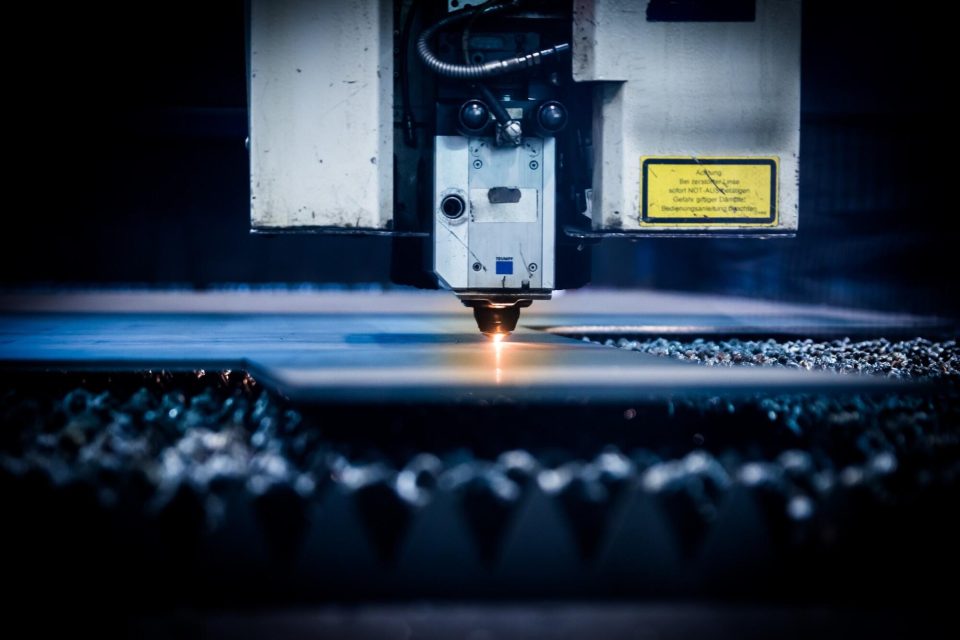
Laser technology has become one of the most powerful tools in modern manufacturing. It allows industries to achieve precision, speed, and creativity that were once impossible.
From cutting and engraving to welding and marking, laser systems bring accuracy and efficiency into many processes. Manufacturers now rely on this technology to meet high demands and create products that are consistent in quality.
In this article, we will explore tips to craft with laser technology and understand how it is shaping the future of manufacturing.
Understand the Basics of Laser Technology
Before starting with laser crafting, it is important to understand how the technology works. Lasers use a concentrated beam of light that can cut, engrave, or weld different materials. The intensity and focus of the beam allow for extreme accuracy. Unlike traditional tools, lasers do not wear down. This makes them reliable for continuous production.
It is also useful to know the main functions of lasers. Some are made for cutting. While others are designed for surface marking or fine engraving. There are also hybrid machines that combine several functions. Having this basic knowledge helps manufacturers select the right system for the right job. This helps avoid mistakes during production.
Choose the Right Laser Machine for Your Needs
Different manufacturing tasks require different types of laser machines. CO2 lasers are commonly used for cutting wood, plastics, and fabrics. Fiber lasers are ideal for metals and high-strength materials. Nd:YAG lasers are often used for engraving and fine details.
Selecting the right machine ensures better results and reduces waste. It is always a good practice to match the machine to your specific production goals. Beyond the type of laser, machine size and power level also matter.
Large-scale production requires machines with higher wattage and bigger working tables. Small businesses may benefit more from compact machines that can handle custom jobs. Thinking carefully about your production volume and material types will help you make a smart investment.
Focus on Material Compatibility
Not all materials react the same way to laser beams. Some absorb the light better, while others may burn or melt. The following need different settings:
- metals
- plastics
- glass
- wood
- fabrics
For example, cutting thin stainless steel requires a fiber laser with high precision. Acrylic needs a CO2 laser to get smooth edges. Testing materials before full production prevents costly errors. Always research which materials are most compatible with your machine.
It also helps to keep a material database for future reference. Documenting results from different tests allows manufacturers to save time in the future. This database can include settings such as power, speed, and focus for each material type. By doing so, production becomes faster and more consistent.
Prioritize Safety in Every Step
Laser technology is powerful, but it can also be dangerous if not handled properly. Operators should:
- wear protective glasses
- use ventilation systems
- follow strict safety rules
Laser beams can harm eyes and skin. While fumes from certain materials can be toxic. Modern laser machines often include safety enclosures and emergency shut-off systems. Making safety a top priority ensures smooth production and protects workers.
Companies should also schedule regular safety training. New workers need to understand the risks and experienced operators must stay updated on safety standards. A culture of safety not only prevents accidents. It also improves trust among employees.
Maintain Proper Machine Settings
Every material and design requires different settings such as power, speed, and focus. Incorrect settings can damage the material or produce poor results. For example, using too much power on wood can cause burning, while too little power may not cut through.
Keeping detailed notes on tested settings helps improve efficiency in future projects. Manufacturers should regularly calibrate machines to maintain consistent results.
Calibration is often overlooked but is key for long-term machine health. Over time, small misalignments can lead to poor accuracy and wasted materials. Routine checks and adjustments make sure that each cut or engraving stays sharp and precise.
Leverage Software for Design Precision
Laser technology depends on accurate digital designs. Software such as CAD (Computer-Aided Design) allows users to create detailed patterns that guide the laser. Good design software ensures that the machine follows exact instructions. Simple mistakes in the design stage can lead to wasted materials. Training staff to use design software effectively improves precision and speeds up the process.
Advanced software also allows simulation before actual cutting. This preview can show how the design will appear on the material, reducing trial-and-error time. By using simulation, manufacturers can:
- save money
- protect materials
- produce more reliable results
Consider Energy Efficiency
Laser machines can use a lot of energy during continuous operation. Choosing energy-efficient machines and optimizing settings can help reduce costs. Many modern machines now include eco-friendly options that minimize power consumption. This is without losing performance. Regular maintenance also helps prevent energy waste. Manufacturers should balance productivity with sustainability to remain competitive.
Another smart step is using standby modes during downtime. Many machines today allow operators to lower energy use when the system is idle. This small step reduces electricity costs and supports greener manufacturing practices.
Partner with Skilled Professionals
While laser machines are advanced, they still require skilled professionals to operate effectively. Partnering with experienced operators or consulting with laser cutting experts ensures that projects meet high standards. Skilled professionals know how to:
- adjust settings
- troubleshoot issues
- recommend improvements
Their knowledge can save time, reduce material waste, and improve overall quality. In many industries, mentorship also plays a role. Experienced operators can guide new staff and pass on practical skills that manuals cannot provide. This knowledge transfer creates a stronger workforce and helps businesses scale more confidently.
Experiment with Customization and Creativity
One of the biggest advantages of laser technology is its ability to create unique designs. Manufacturers can:
- personalize products
- add engravings
- produce limited-edition items
Customization adds value and appeals to modern consumers who want unique products. Experimenting with different designs and materials can also open new market opportunities. Creativity, when paired with precision, leads to innovation in manufacturing.
All About Laser Technology in Modern Manufacturing
Laser technology makes crafting in modern manufacturing faster and more precise. It helps reduce waste and improves product quality.
Many industries use it to create detailed designs and accurate cuts. This technology also allows for more creativity and innovation. Overall, laser crafting is an important tool for the future of manufacturing.
If you’d like to learn more, check out more articles on our blog.