
The Role Of Preventive Dentistry In Lowering Healthcare Costs
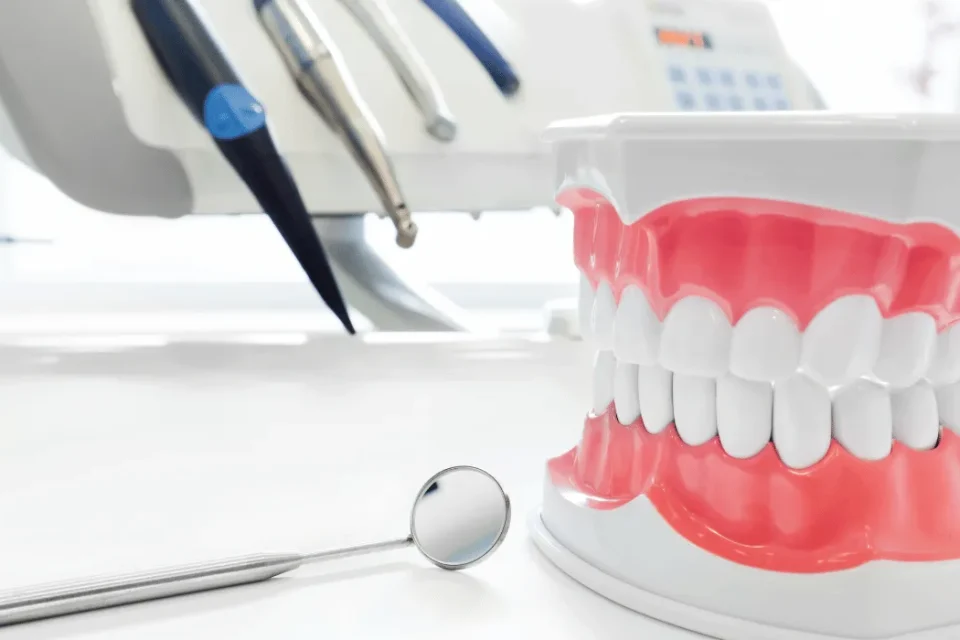
Preventive dentistry cuts your costs and protects your health. You face rising prices for care, insurance, and missed work. You also face pressure on your time and energy. Routine cleanings, checkups, and simple treatments catch small problems early. Then you avoid root canals, extractions, and emergency visits that drain savings. You also lower your risk of infections that send you to urgent care. An Edmonton, AB dentist can spot tooth decay, gum disease, and early signs of other health issues. That early notice gives you options. It gives you time to plan, budget, and act. Regular visits, daily brushing, flossing, and fluoride are not extra tasks. Instead they are quiet tools that protect your mouth and your wallet. This blog explains how steady preventive care cuts bills, reduces stress, and supports your long term health.
How Tooth And Gum Problems Raise Your Medical Bills
Tooth decay and gum disease do not stay in your mouth. They spread strain through your body and your budget. When you skip routine care, you often face three harsh costs.
- High dental treatment bills
- Lost work hours
- Extra medical care for linked conditions
The Centers for Disease Control and Prevention reports that untreated cavities cause pain, infection, and missed work or school. That pain leads to last-minute visits. Those visits often cost more than slow, planned care. Gum disease links with heart disease and diabetes. Those conditions carry high long-term costs for medicine, testing, and hospital care.
Why Preventive Dentistry Costs Less Over Time
Preventive care uses simple habits and quick office visits. These steps cost less than complex treatment. You pay small amounts now instead of large sums later. You also avoid many lost work hours.
Key parts of preventive dentistry include three core actions.
- Regular checkups and cleanings
- Daily brushing and flossing
- Fluoride and sealants when needed
The National Institute of Dental and Craniofacial Research explains that fluoride protects teeth and lowers decay. Sealants guard the chewing surfaces of back teeth for children and teens. These low-cost steps stop cavities before they start. That means fewer fillings, crowns, or implants later.
Cost Comparison: Preventive Care Versus Treatment
The exact prices vary by clinic and region. Still, the pattern stays the same. Early care costs less than late care. The table below shows a simple comparison of common services.
| Type of Visit or Treatment | Care Level | Typical Frequency | Relative Cost |
|---|---|---|---|
| Routine exam and cleaning | Preventive | Every 6 to 12 months | Low |
| Fluoride treatment | Preventive | Every 6 to 12 months for high-risk patients | Low |
| Dental sealant on one tooth | Preventive | Once, with checks over time | Low to medium |
| Filling for small cavity | Early treatment | As needed | Medium |
| Root canal and crown | Late treatment | As needed | High |
| Tooth extraction with replacement | Late treatment | As needed | Very high |
| Emergency dental visit | Crisis care | Unplanned | Very high |
One cleaning with an exam often costs less than a single filling. It usually costs far less than a crown or root canal. When you keep routine visits, you reduce the need for those high-cost treatments over your lifetime.
Preventive Habits That Protect Your Wallet
You control many of the steps that guard your mouth. These habits seem small. Still, they cut risk and lower costs.
- Brush twice each day with fluoride toothpaste
- Floss once each day
- Use a simple mouth rinse if your dentist suggests it
- Limit sugary drinks and snacks between meals
- Drink tap water where it has fluoride
- Wear a mouthguard during sports
These actions cost very little. Toothbrushes, floss, and paste are cheap compared to fillings or crowns. Each habit lowers the chance that decay or infection will grow. That means fewer visits for pain and fewer surprise bills.
How Preventive Dentistry Supports Whole Body Health
Your mouth shares clues about your health. Dentists often spot early signs of diabetes, heart problems, sleep issues, or vitamin deficiency. When your dentist sees gum swelling or slow healing, you can see your doctor sooner. That early step may prevent hospital stays or urgent tests. Those visits often cost far more than a dental exam.
Gum disease also raises the load on your immune system. When you treat it early with cleanings and home care, your body works with less strain. You may feel more energy. You may also manage other conditions with more control. That can reduce medication changes and extra clinic visits.
Saving Money For Children And Older Adults
Children and older adults gain strong cost savings from preventive dentistry. For children, sealants and fluoride cut cavities. That means fewer missed school days and fewer parents missing work for urgent visits. It also helps children eat, sleep, and grow without pain.
For older adults, dry mouth, medicines, and health changes can raise cavity risk. Regular cleanings and exams catch root decay and broken teeth. Early repair costs less and supports safe chewing. That can lower the chance of poor nutrition and weight loss. It also helps prevent infections that may send someone to the hospital.
Practical Steps To Lower Your Dental Costs Today
You can start with three clear moves.
- Schedule an exam and cleaning if it has been more than a year
- Ask for a simple written plan for your mouth with costs spread over time
- Set a small monthly amount in your budget for dental care
Then review your daily habits at home. Replace old toothbrushes every three months. Keep floss where you can see it. Drink water instead of soda with meals. These moves look small. Over the years, they protect your teeth and cut your costs.
Preventive dentistry gives you control. You trade crisis and surprise bills for steady, planned care. You protect your health, your time, and your savings with the same simple steps.