
The Spiritual Meaning of Nativity Scenes: Finding Hope in Christmas Symbols
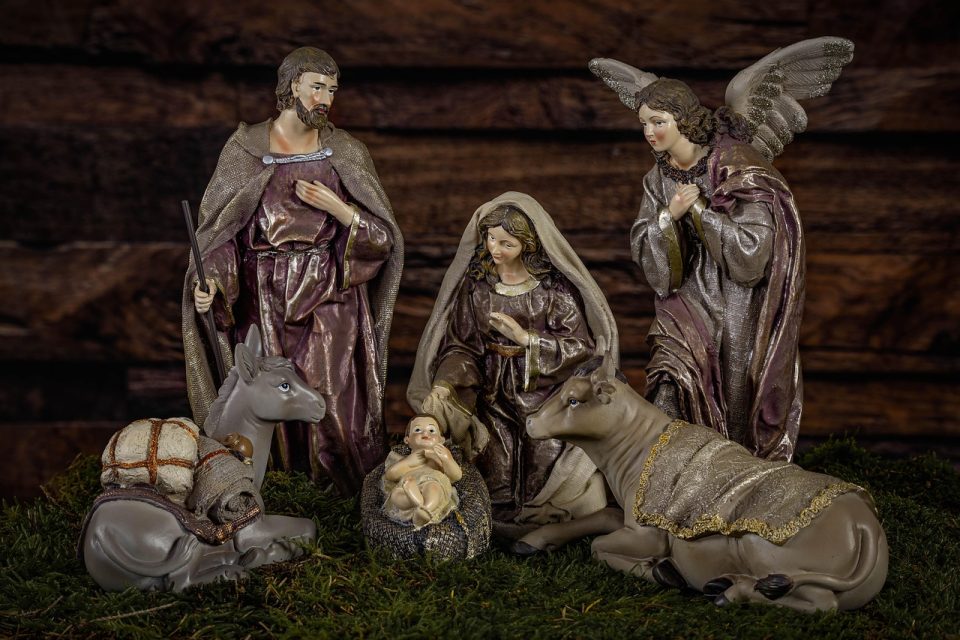
A Nativity scene invites Christians to reflect on the birth of Jesus through a simple arrangement of figures and a shared story. Whether displayed in a church or on a small shelf at home, it can create a place to pause during a demanding season. Its meaning develops through attention to the people, setting, and relationships represented within it.
Begin With the Story Behind the Display
The Nativity scene centers on Jesus, Mary, and Joseph, bringing the Christmas story into a visible and familiar form. In Christian belief, the birth of Jesus expresses God’s closeness to humanity through the Incarnation. Pope Francis explored this connection in Admirabile signum, describing the Nativity scene as an invitation to contemplate that mystery.
A useful way to approach the display is to begin with a Gospel reading rather than searching for a separate hidden meaning in every object. The birth narrative in Luke 2 and the account of the Magi in Matthew 2 provide different elements commonly brought together in Christmas scenes. Reading them separately can help distinguish the biblical texts from later artistic choices.
The physical appearance of a scene can support reflection without determining how meaningful it will be. Someone choosing a first display can explore Holyart’s Nativity collection and compare available figures, settings, and sizes. A simple arrangement that fits your home and invites regular attention may serve you better than a larger display that is difficult to use. Holyart has a physical store in Rome if you want to see items in person.
Reflect on Humility and Welcome
A Nativity display offers an opportunity to think about what you value during Christmas. The contrast between the importance of the birth and the modest setting can prompt questions about status, comfort, and generosity. You might ask how much attention your celebrations give to appearances and how much they give to welcoming other people.
This reflection can lead to practical choices rather than remaining an abstract idea. Consider inviting someone who would otherwise spend an evening alone or making time for a relative who needs conversation. A small act of hospitality can connect the scene on the shelf with the way you live through the season.
Welcome also begins within the household. Christmas preparations can become stressful when everyone has different expectations about money, visitors, and traditions. Taking time to listen may be one of the clearest ways to express the kindness you hope the holiday will represent.
Consider Mary and Joseph Through Everyday Care
Mary and Joseph can provide a focus for reflection on commitment, responsibility, and care. Rather than trying to extract a prediction or personal message from the figures, consider the human tasks associated with protecting and nurturing a child. This approach keeps reflection grounded in relationships and actions.
Parents and caregivers may connect the scene with the less visible work that sustains a household. Preparing food, comforting someone, organizing appointments, and making a home welcoming can all require patience. Christmas offers a moment to recognize this work and thank the people who carry it out.
For someone experiencing a difficult family season, the display does not need to suggest that every home should look peaceful or complete. It can instead provide a place to acknowledge longing, uncertainty, or grief. Reflection can include honest feelings alongside gratitude and celebration.
Let the Wider Scene Prompt Questions About Community
Many Nativity arrangements include people engaged in ordinary activities around the central scene. Rather than assigning each character a fixed spiritual definition, use the wider setting to consider the people who make up your own community. Think about whose work you notice, whose needs you overlook, and who might feel excluded from your celebrations.
This can become a useful family conversation. Ask each person to name someone outside the household who has helped them during the year. Follow the discussion with a specific expression of thanks, such as a note, a visit, or an offer of assistance.
The display may also encourage attention to people whose Christmas experience differs from your own. Some are working through the holiday, caring for relatives, or managing a recent loss. Remembering them can make your celebrations more considerate without requiring a complicated new tradition.
Create a Personal Practice Around Your Nativity Scene
Choose a brief practice that suits your beliefs and daily routine. You might read a short passage, pray, sit quietly, or identify one act of kindness for the following day. Keeping the practice manageable makes it easier to return to throughout the season.
If several people share the home, invite participation without making it compulsory. Children may prefer asking questions or describing what they notice, while adults may value a few quiet minutes. Different forms of attention can coexist around the same display.
You can also keep a small notebook nearby to record reflections from one Christmas to the next. Write about a person you are grateful for, a challenge you are facing, or a hope for the coming year. Over time, the notebook can show how a familiar tradition accompanies changing circumstances.
Conclusion
You may also like: Repore or Rapport: Why Rapport Is the Correct Word to Use
The spiritual meaning of a Nativity scene grows through its connection to the Christmas story and the attention you bring to it. Use the display to reflect on welcome, care, gratitude, and your relationships with others. When these reflections influence everyday choices, a seasonal decoration can become part of a meaningful Christmas practice.