
The Ultimate Guide to Building a Granny Flat
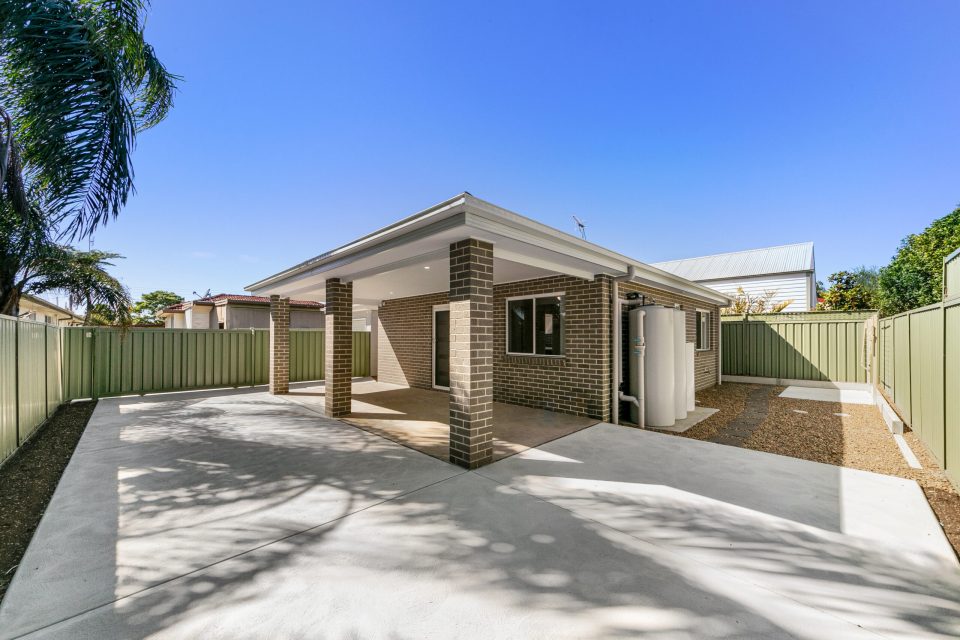
Granny flats are becoming an increasingly popular solution for homeowners across Australia and beyond. Whether it’s for accommodating elderly parents, creating a private space for adult children, or generating rental income, building a granny flat is a smart and flexible investment. In this guide, we explore everything you need to know about building a granny flat—from planning and design to construction and benefits.
What Is a Granny Flat?
A Secondary Dwelling With Endless Possibilities
A granny flat is a self-contained living space built on the same property as a main residence. Also known as a secondary dwelling or accessory dwelling unit (ADU), it typically includes a bedroom or two, a kitchen, a bathroom, and a living area. Despite the name, granny flats aren’t just for elderly family members—they’re suitable for guests, teenagers, home offices, or even short-term rentals.
Why Build a Granny Flat?
1. Multi-Generational Living
One of the most common reasons to build a granny flat is to house elderly parents or adult children. It allows families to live close together while maintaining personal space and independence.
2. Rental Income
Granny flats offer excellent return on investment by providing additional income through long-term or short-term rentals. With rising housing demand in urban and suburban areas, renting out a well-designed granny flat can be highly profitable.
3. Increase Property Value
A granny flat can significantly boost your property’s value. Homebuyers often look for properties with extra living space or the potential for rental income, making your home more attractive on the market.
4. Home Office or Studio
As remote work becomes more common, many homeowners use granny flats as private offices, creative studios, or business spaces. It’s a smart way to create a work-life balance without leaving your property.
Planning Your Granny Flat
Council Approvals and Regulations
Before construction, it’s important to check local council regulations. Most areas have specific zoning rules, floor space ratios, setback requirements, and height restrictions for secondary dwellings. In many parts of Australia, granny flats are approved through a Complying Development Certificate (CDC), which simplifies the approval process.
Budget and Financing
Granny flat construction costs typically range from $90,000 to $200,000 depending on size, finishes, and site conditions. It’s essential to set a realistic budget and explore financing options such as home equity loans or construction loans.
Choosing the Right Builder
Selecting a reputable and experienced granny flat build is crucial. Look for companies that offer custom designs, turnkey solutions, and transparent contracts. Reviews, past projects, and warranty offerings should all be part of your evaluation process.
Design Considerations
Size and Layout
Most granny flats range from 40 to 80 square metres, depending on local regulations. Popular configurations include:
- 1-bedroom: Ideal for singles or couples.
- 2-bedroom: Offers flexibility for small families or rental tenants.
- Studio: Compact and perfect for short-term stays or office use.
Functionality and Flow
Efficient use of space is critical in small homes. Open-plan designs, built-in storage, and multifunctional furniture can enhance comfort and usability. Natural light, ventilation, and privacy should also guide the floor plan.
Style and Aesthetics
Granny flats can match the main house or stand out with a unique architectural style. Popular options include:
- Modern minimalist
- Traditional cottage
- Scandinavian-inspired
- Industrial chic
External finishes, rooflines, and landscaping all contribute to the flat’s curb appeal and integration with the main residence.
Construction Process
Site Preparation and Utilities
Before building, the site must be surveyed and cleared. Utility connections—water, sewer, electricity, and internet—need to be planned. In some cases, you can connect to the existing home’s systems; in others, separate metering may be required.
Delays can occur due to weather, material shortages, or permit issues, so it’s important to maintain communication with your builder.
Modular vs. Custom Builds
Modular granny flats are prefabricated off-site and installed in a short time. They are cost-effective and ideal for flat, accessible sites. Custom builds offer more design flexibility and can be tailored to irregular blocks or specific lifestyle needs.
Sustainability and Efficiency
Eco-Friendly Options
Many homeowners are choosing sustainable features for their granny flats, such as:
- Solar panels
- Rainwater harvesting
- LED lighting
- Insulated walls and roofing
- Energy-efficient windows and appliances
These features reduce energy bills and make the dwelling more appealing to environmentally conscious tenants.
Smart Home Integration
Adding smart home technology—like automated lighting, climate control, and security systems—enhances convenience and value. These upgrades are especially useful for elderly residents or as part of a premium rental offering.
Legal and Tax Implications
Rental Income and Tax
Income from renting a granny flat is taxable and should be reported to the ATO. However, you may be able to claim deductions for depreciation, maintenance, and interest on loans. Always consult with a tax professional to ensure compliance.
Property Subdivision
In some jurisdictions, you may be able to subdivide your land and sell the granny flat separately. This can be a long-term strategy to unlock equity, but it involves complex planning and legal processes.
Common Mistakes to Avoid
- Skipping approvals: Always go through proper channels to avoid penalties or demolition orders.
- Underestimating costs: Include a buffer of 10–15% for unexpected expenses.
- Ignoring tenant needs: If you’re renting it out, consider practical features like storage, parking, and privacy.
- Poor builder selection: Don’t choose based on price alone—look at reputation and past work.
Conclusion
Granny flats offer a versatile, cost-effective solution for expanding your living space, accommodating family, or generating income. With careful planning, the right builder, and thoughtful design, you can create a space that enhances your lifestyle and adds significant value to your property.
Whether you’re starting from scratch or converting an existing structure, a well-built granny flat is more than just a building—it’s an investment in your home’s future.