
Top Factors That Really Drive Backyard Landscaping Costs

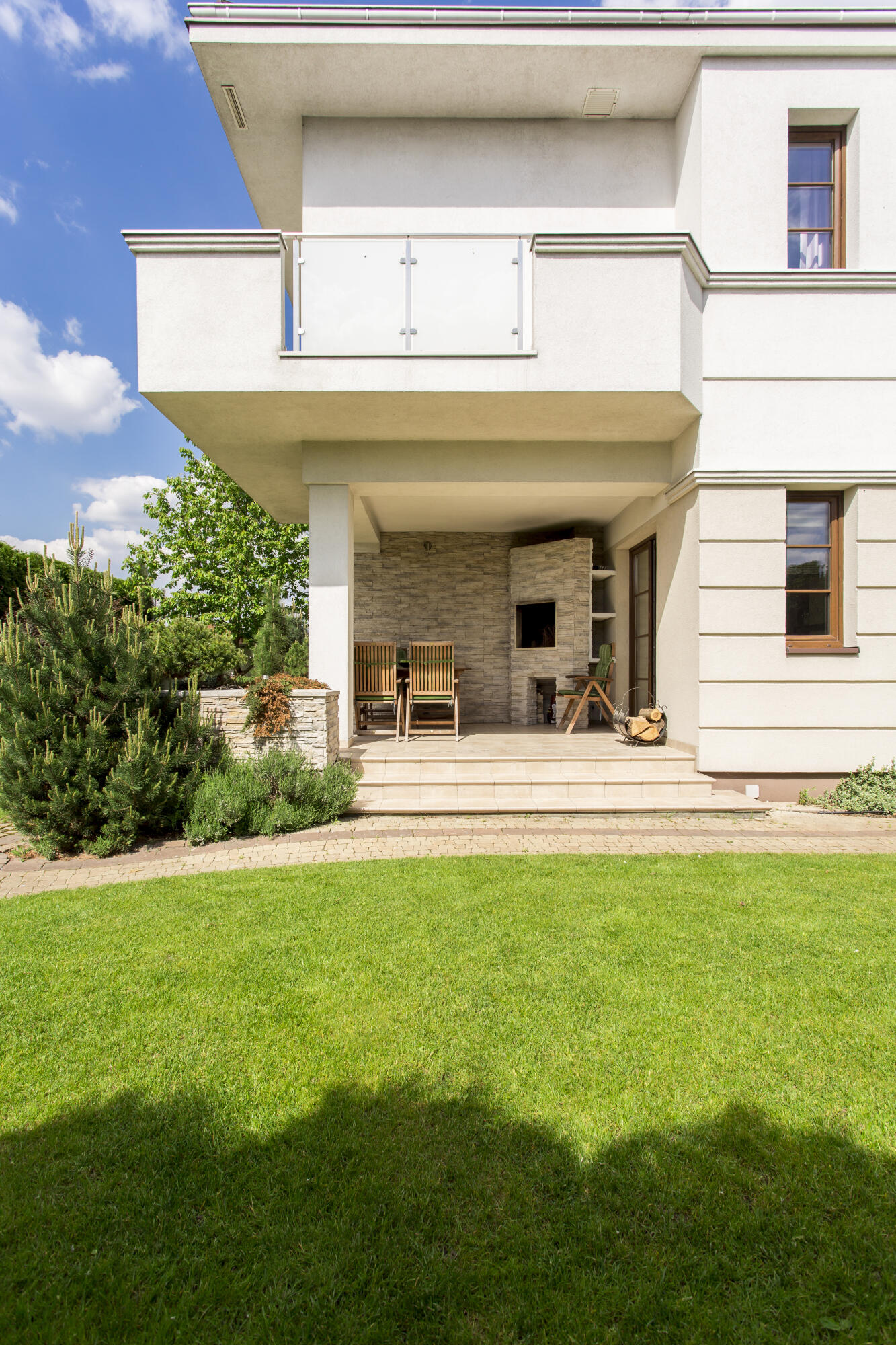
Did you know that the landscaping services market is projected to hit $616.55 billion by 2034? This shows the growing importance of well-designed outdoor spaces.
Creating your dream outdoor space can be exciting, but it’s important to understand the landscaping costs involved. Many homeowners don’t realize how much landscaping can add up. Without planning, budgets can easily get out of control.
Knowing what drives these costs helps you plan better. In this article, we’ll break down the top factors that can make or break your backyard budget.
Read on to help you can make smarter choices and enjoy a yard that fits both your vision and your wallet.
Size of the Area
The size of your yard is the first thing that affects landscaping costs. Bigger spaces need more plants, soil, and materials. This naturally makes the project more expensive.
Large areas also take longer to work on. Labor costs rise because workers spend more time completing the job. Even simple projects can become costly in a large space.
Smaller yards are easier to manage and usually cheaper. You can still make a big impact with careful planning. Knowing your yard size helps set realistic expectations.
Scope of the Project
The scope of your project determines how much work is involved. Simple updates like planting flowers cost less than building patios or walkways. Larger projects need more time and resources.
Deciding on your project scope early is smart. It helps you avoid unexpected expenses. Minor changes are easier to adjust than full makeovers.
Think about what you really want to achieve. Do you want a small garden upgrade or a full backyard transformation? Being clear from the start saves money and stress.
Plant Selection
Not all plants cost the same. Native plants are usually cheaper and easier to maintain. Exotic plants can be expensive and need extra care.
The size of the plants matters too. Mature trees and shrubs cost more than young ones. But they give an immediate impact to your yard.
Choosing plants wisely can save money over time. Consider long-term maintenance when picking species. Healthy plants also make your yard look great for years.
Hardscapes and Features
Adding patios, decks, or walkways can enhance your backyard. These features make your space more functional. But they also increase costs compared to just plants.
Material choice matters a lot. Natural stone or brick is more expensive than concrete. Installation may also require skilled labor for the best results.
Hardscapes add value to your property. They can make your backyard more enjoyable and attractive. Plan carefully to get the best return on investment.
Labor Costs
Labor costs can vary depending on the project size and complexity. Experienced landscapers often charge more per hour. But they can get the job done correctly and efficiently.
Skilled labor ensures quality results. Mistakes can be costly to fix later. It’s worth paying for professionals who know what they’re doing.
Getting multiple quotes is smart. Compare prices and services to find a fair deal. Don’t compromise quality just to save a few dollars.
Accessibility and Site Preparation
Some yards are harder to work in than others. Steep slopes, tight corners, or rocky soil can make landscaping tricky. This may increase labor and equipment costs.
Site preparation is essential for long-term success. Removing trees, grading the land, or improving soil ensures plants grow well. Skipping prep can lead to problems later.
Accessibility also affects the project timeline. Workers may need extra time or special equipment. Factor this into your budget to avoid surprises.
Seasonal Timing
The time of year can influence landscaping costs. Peak seasons often have higher labor and material prices. Off-season work may be cheaper and easier to schedule.
Weather conditions are important too. Heavy rain or extreme heat can delay work. Planning around the seasons keeps your project on track.
Starting at the right time can save money. It also ensures plants thrive in the best conditions. Timing is a small factor that makes a big difference.
Irrigation Systems
A good irrigation system keeps your yard healthy. Sprinklers or drip systems can be costly to install. But they save time and water in the long run.
Proper irrigation prevents dry patches and plant stress. Overwatering or underwatering can ruin expensive plants. An efficient system protects your investment.
Consider your property’s layout. Some systems work better for certain landscapes. Planning ahead makes installation easier and more effective.
Maintenance Costs
Landscaping isn’t just about the initial installation. Regular maintenance like mowing, trimming, and fertilizing adds to costs. Some features require more care than others.
Ponds, fountains, or exotic plants need specialized attention. Ignoring maintenance can reduce the lifespan of your investment. Planning for upkeep saves frustration later.
Even small tasks matter. Weeding, pruning, and watering consistently keep your yard looking great. Budgeting for maintenance ensures your landscape stays beautiful year-round.
Local Regulations and Permits
Some areas require permits for certain landscaping projects. This can include tree removal or building patios. Researching regulations early prevents costly delays.
Rules may differ depending on your city or county. Ignoring them can lead to fines or rework. Understanding local laws keeps your project legal and stress-free.
Permits may also affect your timeline. Securing approvals in advance ensures work can start on schedule. Always factor this into your planning.
Soil Quality and Amendments
Healthy soil is the foundation of a thriving yard. Poor soil may need extra work like grading, composting, or fertilization. This can increase initial costs.
Soil testing is a smart first step. It shows what nutrients or amendments are needed. Investing in soil upfront helps plants grow stronger.
Good soil reduces long-term maintenance. Plants require fewer chemicals and less water. This makes your yard more sustainable and cost-effective.
Professional Guidance
Hiring a landscape professional can feel like an extra cost. But they provide expertise and help you avoid common mistakes. Their guidance can save time and money in the long run.
Professionals can assist with design, plant selection, and layout. They make sure your vision becomes reality efficiently. For trusted professionals, consider checking Jrlandscapesservice.com.
Even a short consultation can be valuable. You get guidance tailored to your yard and goals. Professional input increases the chance of a successful project.
Landscaping Costs: Maximize Your Landscaping Investment
Understanding what drives landscaping costs helps you plan better. Size, scope, materials, labor, and design all matter. Keeping these in mind ensures a successful backyard transformation.
Balancing cost and quality is key. Smart choices make your yard both beautiful and functional. With proper planning and guidance, your dream backyard can become a reality.