
What You Should Know About Siding for Your Home Exterior Needs
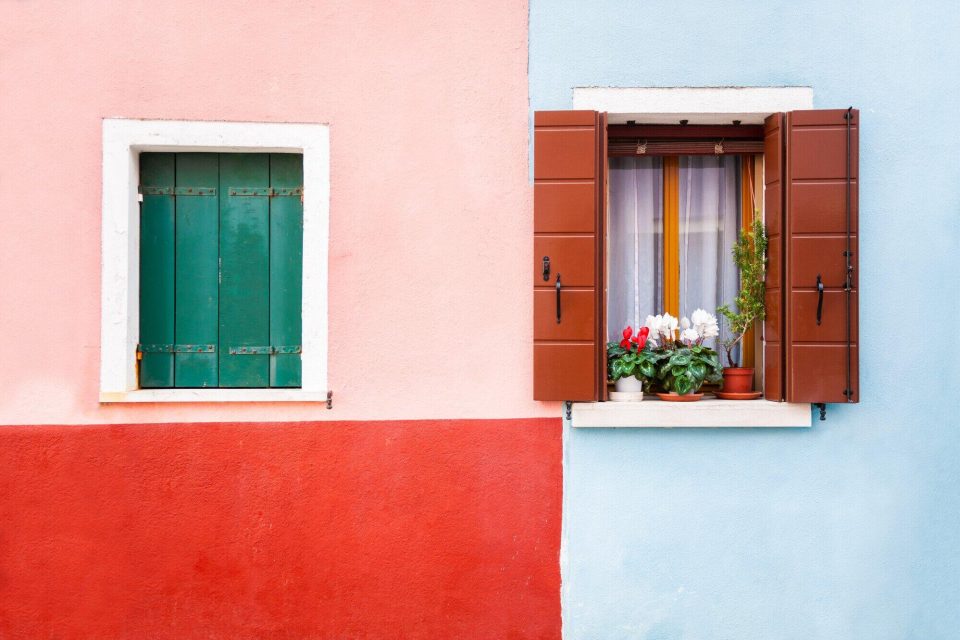
Have you ever looked at your home exterior and wondered if new siding could make it stronger and more beautiful?
Many homeowners ask this question when they want to improve comfort, protection, and appearance. Siding is more than just decoration. It protects your home from rain, heat, wind, and dust. It also improves energy use and raises property value.
Choosing the right siding is an important decision. Small choices in materials can affect decades of performance. A well-planned siding choice can improve your home for many years.
Why Siding Matters
Siding is the outer shell of your home. It protects the structure from outside damage. Rain can cause serious problems without good siding. Heat can also affect wall materials. Wind can carry dust and debris into weak areas. Siding blocks many of these risks. It also improves insulation inside the home.
This helps reduce energy use. Homes with good siding stay more comfortable. It also reduces repair needs over time. Siding adds strength to the building structure. It prevents moisture from entering walls. This helps avoid mold growth.
It also increases the overall value of the home. Siding also reduces noise from outside. It makes the home feel more private and safer. It creates a stronger barrier against daily wear and tear. It also helps protect paint and internal finishes.
Types of Siding Materials
There are several siding materials available today. Each material has different features. Vinyl is very common in modern homes. Wood is used for traditional styles. Fiber cement offers strong protection. Metal siding gives a modern look.
Each material reacts differently to weather. Some are better for hot climates. Others are better for wet regions. Cost also varies widely. Maintenance needs are not the same. Some materials need regular care. Others require very little attention.
Choosing the right type depends on long-term goals. It also depends on budget and design preference. Others are better for aesthetic appeal. Homeowners should compare all options carefully. Local availability can also affect choices. Installation skill level is another important factor.
Vinyl Siding Overview
Vinyl siding is widely used in many homes. It is lightweight and simple to install. It comes in many colors and styles. It does not need painting. This makes it easy to maintain. Vinyl resists water damage well. It also resists insect damage.
It is often more affordable than other options. Many homeowners choose it for budget reasons. It can last many years with proper care. It is also easy to clean with water. Vinyl can fade after long sun exposure.
Still, it remains a popular choice. It works well for many house styles. It is a practical option for many families. It also offers flexibility in design choices. It performs well in mild weather conditions. It can be replaced easily if damaged.
Fiber Cement Siding
Fiber cement siding is very strong. It is made from cement and fibers. This makes it durable and stable. It can handle harsh weather conditions. It resists fire better than many materials. It also resists insects and rot. It looks similar to wood.
This gives a natural appearance. It lasts longer than many other options. It requires less maintenance than wood. It can be painted in different colors. It is heavier than vinyl. Installation requires proper skill.
It is often chosen for long-term value. It performs well in many climates. It also resists cracking and swelling. It stays stable under temperature changes. It is a strong option for long-term protection.
Wood Siding Benefits
Wood siding gives a natural look. It creates a warm and classic style. Many homeowners love its beauty. It can be shaped in different ways. It works well for traditional homes. It also blends with natural surroundings.
Wood can be painted easily. It can also be stained. This allows design flexibility. However, it needs regular care. Moisture can damage wood over time. Insects can also affect it. Proper sealing helps protect it.
Maintenance is very important for long life. It is still popular for its charm. It also adds a rich texture to home design. Wood siding can increase curb appeal significantly. It also allows easy design changes over time.
Metal Siding Options
Metal siding is strong and modern. It is often made from aluminum or steel. It resists fire and insects. It also handles harsh weather well. It does not rot like wood. It is very durable over time. Metal siding is easy to clean. It gives a clean and sharp look.
It is often used in modern designs. It can be recycled in some cases. It may dent under strong impact. It is not as common in traditional homes. It works well in industrial designs. It offers long-lasting protection.
It is a low-maintenance option. It also reflects sunlight well, which can reduce heat absorption. It performs well in windy conditions. It is often used in commercial-style homes.
Cost Factors
Siding cost depends on many factors. Material type is the biggest factor. Labor cost also affects total price. Home size changes the overall cost. Design complexity can increase expenses. Some materials are more expensive upfront. Others are cheaper but need repairs. Long-term cost is also important.
Maintenance adds to total spending. Weather resistance can affect value. Installation quality impacts future costs. Cheap installation may cause problems. Planning budget helps avoid stress. It is important to compare options.
Value should be considered, not just price. Long-term durability often saves money over time. Hidden costs can appear if poor materials are chosen. Transportation and waste removal may also affect cost.
Durability Considerations
Durability is very important in siding. Homes face changing weather conditions. Strong siding lasts longer. Fiber cement is highly durable. Metal also performs well. Vinyl is durable but may fade. Wood needs more protection. Moisture is a major threat.
Sunlight can also weaken materials. Wind can cause physical damage. Good installation improves durability. Maintenance helps extend lifespan. Regular checks prevent major issues. Durable siding reduces repair costs.
It also protects home structure better. High durability also improves long-term comfort. It reduces stress during extreme weather conditions. It also lowers replacement frequency. Strong siding helps maintain home stability.
Energy Efficiency
Siding can improve energy efficiency. It adds insulation to walls. This helps control indoor temperature. Homes stay cooler in summer. They stay warmer in winter. This reduces energy usage. Lower energy use saves money. Proper siding reduces air leaks.
It improves overall comfort. Some materials insulate better than others. Fiber cement performs well. Vinyl also helps with insulation. Energy-efficient siding is a smart choice. It supports environmental goals.
It also improves daily living comfort. It reduces strain on heating and cooling systems. This helps extend their lifespan as well. It also improves indoor air quality by reducing drafts.
Weather Protection
Siding protects homes from weather. Rain is a major threat. Good siding blocks water entry. Wind can damage weak walls. Siding reduces this risk. Sunlight can weaken materials. Quality siding reduces UV damage. Storms can cause serious harm.
Strong siding adds protection. It prevents cracks and leaks. It helps maintain structure safety. It reduces internal damage risks. It keeps walls dry. It also protects insulation layers.
Weather protection is a key benefit. It also helps maintain home value over time. Proper siding reduces emergency repair needs. It strengthens the overall building envelope.
Maintenance Needs
Different siding types need different care. Vinyl is easy to clean. Wood needs regular sealing. Fiber cement needs less maintenance. Metal requires occasional checks. Dirt can build up over time. Cleaning helps maintain appearance.
Maintenance extends siding life. It also prevents damage. Small repairs avoid bigger issues. Regular inspection is important. Weather affects maintenance needs. Proper care improves performance.
Neglect can cause costly damage. Simple routines are helpful. Maintenance also improves curb appeal. It keeps the home looking fresh and clean. It also helps detect early damage signs. Routine care saves money over time.
Color and Style Choices
Siding comes in many colors. Light colors reflect heat. Dark colors look modern. Style affects home appearance. Texture adds design value. Some siding looks like wood. Others have smooth finishes. Color choice affects curb appeal. It also affects home value.
Matching roof color is important. Design should fit surroundings. Modern homes use bold colors. Traditional homes use neutral tones. Style reflects personal taste.
Good design improves overall look. It creates a strong visual impact. Color also influences how large or small a home appears. It also affects emotional feel of the home exterior.
Installation Process Basics
Installation begins with wall preparation. Old siding may be removed. Walls must be clean and dry. A protective layer is added. This helps block moisture. New panels are measured carefully. Proper alignment is important.
Each piece must fit well. Gaps must be avoided. Fastening must be secure. Mistakes can cause damage. Good installation improves durability. It also improves appearance.
Skilled work is very important. It ensures long-lasting results. Proper sealing is also needed to prevent leaks. Each step must be done carefully. Weather conditions during installation also matter.
Hiring Professionals
Proper installation requires skill and experience. Mistakes can cause long-term issues. Professionals understand material behavior. They also know correct methods. This improves siding performance. It also ensures safety during work.
Tools must be used correctly. Planning is important before installation. A trusted siding installation company in Milford helps ensure correct installation methods and better long-term results. Experience reduces installation errors.
Proper work improves durability. It also improves the appearance quality. Good installation saves future repair costs. It increases home value. It also ensures materials perform as expected in different weather conditions. It reduces stress during the project.
Common Mistakes
Many homeowners choose based only on price. This can lead to poor quality. Some ignore weather conditions. This affects siding performance. Incorrect installation is another mistake. It causes water leaks. Poor maintenance reduces lifespan.
Wrong material choice is common. Color mismatch affects appearance. Skipping preparation causes problems. Not checking durability is risky. Ignoring insulation reduces efficiency. Cheap materials may fail early. Planning mistakes increase costs.
Awareness helps avoid issues. Careful decisions are important. Lack of research is also a common problem. Proper planning avoids long-term regret. Rushing decisions often lead to problems later.
Sustainability Aspects
Some siding materials are eco-friendly. Fiber cement can last long. Metal can be recycled. Vinyl lasts many years. Longer life reduces waste. Energy efficiency supports sustainability. Fewer repairs mean fewer materials used. Environment-friendly choices matter today.
Sustainable siding reduces impact. It also improves home efficiency. The manufacturing process affects the environment. Recycling helps reduce waste. Green choices are becoming popular. They support long-term benefits.
They also protect natural resources. Sustainable siding can also improve property value. Many homeowners now prefer eco-friendly solutions. It also supports responsible building practices.
Local Climate Impact
Climate affects siding performance. Hot climates need heat resistance. Cold climates need insulation. Rainy areas need water resistance. Windy areas need strong siding. Moisture can cause damage. Sunlight can fade materials.
Snow can add pressure. Climate choice improves durability. It also reduces maintenance needs. The wrong choice leads to damage. Local weather should guide selection. Proper material improves performance.
It increases siding lifespan. Climate awareness is very important. It also helps reduce repair costs. Choosing based on climate ensures long-term success. It prevents early material failure.
Planning Your Project
Planning helps avoid problems. The budget should be set early. Material choice comes next. Design should match home style. Inspection of walls is needed. Repairs may be required first. Timing affects installation success. Weather conditions matter.
Proper scheduling is important. Material availability should be checked. Planning reduces delays. It also reduces extra costs. Good preparation improves results. Every step should be organized.
Planning ensures smooth progress. Clear goals help guide decisions. Proper planning also reduces stress during the process. It helps ensure better final results.
All About Home Exterior Needs
Siding plays a major role in home protection. It improves appearance and comfort. It also increases property value. Different materials offer different benefits.
Proper choice depends on needs and climate. Installation quality is very important. Maintenance helps extend lifespan. Energy efficiency is another benefit.
Did you enjoy reading this article? If so, then be sure to check out the rest of our blog for more!