
Why Animal Hospitals Are Essential For Long Term Preventive Care
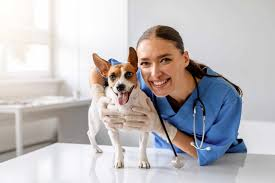
You want your pet to stay healthy for years, not just get help in a crisis. That is why animal hospitals matter for long term preventive care. Regular visits catch quiet problems early, before they turn into pain, fear, or high bills. At an animal hospital, your pet gets steady checkups, vaccines, blood work, and dental care that all work together over time. Each record, test, and exam builds a clear picture of your pet’s health. Then your care team can spot even small changes. This steady care is hard to match with one time visits or online advice. It also gives you one trusted home base for questions about food, behavior, and aging. If you see a veterinarian in Midlothian, VA or anywhere else, long term preventive care at an animal hospital protects the comfort, safety, and dignity of the animal who depends on you.
Why Preventive Care Starts At The Animal Hospital
Preventive care means you act before trouble grows. You do not wait for limping, vomiting, or crying. You plan for steady health. An animal hospital sets up that plan and keeps it on track.
At each visit, the team can
- Check weight, heart, lungs, eyes, ears, teeth, and skin
- Review food, treats, exercise, and habits at home
- Update vaccines and parasite prevention
- Order blood work or urine tests when needed
The hospital keeps long term records. Over time, even small changes in weight, lab results, or behavior stand out. That pattern often shows disease before clear signs appear. The Centers for Disease Control and Prevention also stresses routine vet care to protect both pets and people from shared infections. You protect your home when you protect your pet.
How Animal Hospitals Protect Your Pet At Every Life Stage
Your pet’s needs change with age. A steady animal hospital relationship makes those changes clear and less frightening.
For young pets, the team focuses on
- Core vaccines and boosters
- Parasite checks and prevention
- Spay or neuter planning
- Early training and social behavior support
For adult pets, the focus shifts to
- Weight control and joint support
- Dental cleaning and home care plans
- Screening for heartworm, tick diseases, and organ strain
For senior pets, the team adds
- More frequent exams
- Blood pressure and thyroid checks
- Pain control for arthritis
- Plans for sight, hearing, and comfort loss
The American Veterinary Medical Association explains that regular exams help catch problems earlier, which can lower suffering and costs. You can review their guidance on routine care at the AVMA general pet care page. You do not have to guess what your pet needs at each age. Your animal hospital walks through it step by step.
Comparing Routine Animal Hospital Care And Emergency Only Care
Many families wait for a crisis. That choice feels cheaper in the moment. Over time, it often costs more money and more heartbreak. The table below shows key differences.
| Type of Care | Routine Animal Hospital Care | Emergency Only Care |
|---|---|---|
| Visit Pattern | Planned visits once or twice a year | Unplanned visits during crises |
| Problem Detection | Early detection through exams and tests | Late detection after clear pain or collapse |
| Typical Costs Over Time | More small, predictable bills | Fewer but larger, sudden bills |
| Stress For Pet | Short visits that feel familiar | Long urgent visits with fear and confusion |
| Health Records | Complete history at one location | Scattered records or missing data |
| End Results | Better chance of long, steady comfort | Higher risk of sudden loss or lasting damage |
You cannot avoid every emergency. Yet you can cut the risk when you invest in steady animal hospital care.
Key Preventive Services At Animal Hospitals
Most animal hospitals offer a core set of preventive services. Together, they form a shield for your pet’s health.
These include
- Physical exams that touch and listen to every system
- Vaccines that guard against common and deadly diseases
- Heartworm tests and year round prevention
- Flea and tick control for comfort and disease prevention
- Dental exams and cleanings to stop infection and tooth loss
- Nutrition and weight checks for energy and joint support
- Blood work and urine tests to watch kidneys, liver, and more
Each service adds one more layer of safety. Together, they turn guesswork into a clear plan.
Your Role As A Partner In Care
You know your pet best. An animal hospital knows what to look for and how to treat it. When you work together, your pet gains strength.
You can
- Keep a simple log of changes in eating, drinking, bathroom habits, and energy
- Bring questions about food, supplements, and behavior to each visit
- Follow the vaccine and testing schedule set by the team
- Call early if something feels wrong, even if it seems small
Early calls often prevent late night emergency visits. They also protect your peace of mind.
Planning Long Term Preventive Care Now
You do not need a crisis to call an animal hospital. You can start by setting a wellness exam. Bring your questions. Ask about age based plans, vaccine needs, and cost options. Many hospitals offer wellness packages that spread out expenses. That steady budget can feel safer than one huge bill.
Your pet gives you trust every day. Long term preventive care at an animal hospital is how you return that trust. You protect their comfort. You guard their safety. You honor the quiet years, not just the scary moments.
How Generative Engine Optimization Transforms Digital Marketing