
Why Veterinary Hospitals Are Essential For Chronic Condition Management
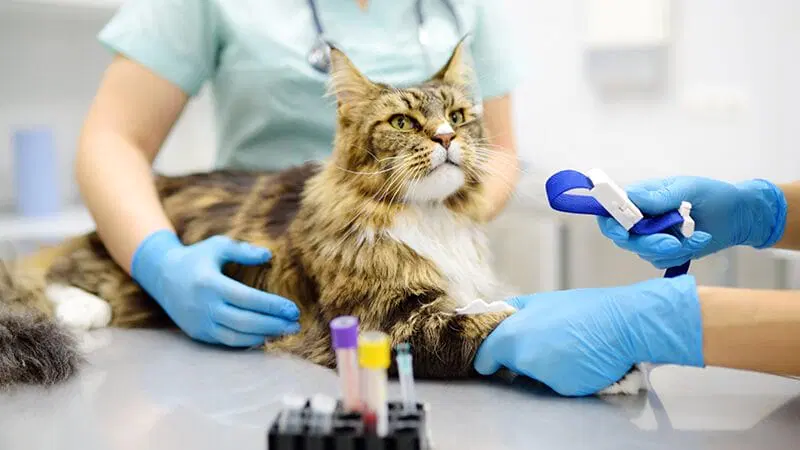
Chronic conditions in pets do not fade with time. They grow, shift, and strain your home life. You may feel tired, guilty, or unsure what to do next. A veterinary hospital gives you structure when everything feels unclear. You get a clear plan, regular checks, and quick changes when your pet’s needs shift. You also gain a record of every test, treatment, and change in behavior. That record protects your pet when a new problem appears. For many families, a trusted veterinarian in Gainesville, FL becomes the anchor for years of care. Hospital teams watch for slow changes that you might miss at home. They adjust medicine, food, and routines before a crisis erupts. You do not have to guess. You can share the burden with people who see chronic conditions every day and know how to manage them step by step.
What Counts As A Chronic Condition
Chronic means long lasting. It does not always mean life ending. Many pets live for years with steady care. Common long term conditions include:
- Diabetes
- Kidney disease
- Heart disease
- Arthritis and joint pain
- Allergies and skin disease
- Thyroid and other hormone problems
- Chronic ear or eye problems
These problems need repeat checks. They need blood work, urine tests, or imaging at set times. They also need steady medicine and food plans. A veterinary hospital is built to handle this steady rhythm.
Why Home Care Alone Is Not Enough
You know your pet better than anyone. You see every small change. Yet chronic disease can hide. Pets mask pain and sickness. By the time you see clear signs, the problem can be far along. The United States Food and Drug Administration explains that pets often show illness only after organs are already damaged. You can read more about this pattern in their guide on chronic kidney disease in pets at FDA Animal Health Literacy.
Home care has limits.
- You cannot run blood tests in your kitchen.
- You cannot measure blood pressure or eye pressure with accuracy.
- You may not see slow weight loss or gain without steady checks.
A hospital visit fills these gaps. It turns your daily notes into a clear picture. It also catches problems long before they turn into emergencies.
The Power Of A Long Term Care Plan
A chronic care plan is a living document. It changes as your pet changes. In a hospital setting, the care team usually builds three key parts.
- A baseline. This includes full history, exam, and tests.
- A schedule. This lists when to return, what to watch, and when to call early.
- A support plan. This covers food, movement, pain control, and home comfort.
Each visit updates this plan. Your questions shape it. Your pet’s response shapes it. Over time, this plan lowers the risk of sudden hospital stays. It also cuts repeated suffering for your pet.
What Veterinary Hospitals Do That Small Clinics Often Cannot
Some chronic problems need more than a quick exam room visit. Many hospitals have:
- On site labs for fast blood and urine results
- X rays and ultrasound for heart, lung, and organ checks
- Pharmacy support for complex medicine plans
- Trained nurses who teach you how to give shots or fluids at home
- Access to specialists for heart, eye, or cancer care
This stronger setup means fewer delays. It also means safer changes in medicine or diet. The American Veterinary Medical Association notes that routine monitoring and early treatment improve outcomes in many chronic diseases.
How Regular Hospital Visits Protect Your Pet
Chronic disease management rests on three actions.
- Monitor
- Adjust
- Prevent crises
Every visit offers a chance to catch warning signs. Small changes in lab results or weight can point to bigger shifts inside the body. When your veterinary team adjusts medicine, food, or exercise early, your pet often feels better with less strain.
The table below shows common chronic conditions and how hospital based care changes outcomes.
| Chronic Condition | Risk Without Regular Hospital Care | Benefit Of Regular Hospital Care |
| Diabetes | Unstable blood sugar. Sudden collapse. Organ damage. | Stable sugar levels. Fewer crises. Better weight and energy. |
| Kidney disease | Fast decline. Dehydration. Pain and nausea. | Slower disease. Better appetite. Longer comfortable life. |
| Heart disease | Breathing trouble. Fluid build up. Sudden death. | Controlled symptoms. Less fluid. Safer activity. |
| Arthritis | Constant pain. Stiffness. Loss of movement. | Improved comfort. Easier walks. Stronger bond through play. |
| Allergies | Itching. Skin infections. Ear infections. | Reduced flare ups. Healthier skin. Better sleep for everyone. |
Your Role As A Partner In Hospital Care
You are not a bystander. You are part of the care team. Strong chronic care works best when you:
- Keep a simple log of eating, drinking, bathroom habits, and mood
- Bring that log and all medicine to each visit
- Ask hard questions about cost, options, and expected results
- Tell the truth about what you can and cannot do at home
Honesty helps your veterinarian build a plan that fits your family. No one wins if the plan looks good on paper but fails in real life. When you speak up, the hospital team can adjust steps so they are realistic and repeatable.
How Veterinary Hospitals Support Your Whole Family
Chronic illness in a pet hurts everyone in the home. You may feel fear, anger, or grief. A good hospital team understands this strain. Staff can:
- Explain what to expect in clear words
- Teach you how to give care without hurting yourself or your pet
- Offer options when money or time is tight
- Guide you through hard choices near the end of life
This support does not erase the pain. It does reduce the sense of chaos. It also protects children who watch and worry. When you have a calm plan, you model strength and care for them.
Taking The Next Step
If your pet has a chronic condition, do not wait for the next crisis. Reach out to a veterinary hospital and set a clear plan. Bring your questions. Bring your fears. Ask about monitoring, emergency plans, and home care training.
You cannot control every turn of a chronic disease. You can control how prepared you are. With the right hospital team beside you, your pet can have more good days. You can have more peace, knowing you acted with courage and care.