
Why Veterinary Hospitals Are Essential For Chronic Condition Management
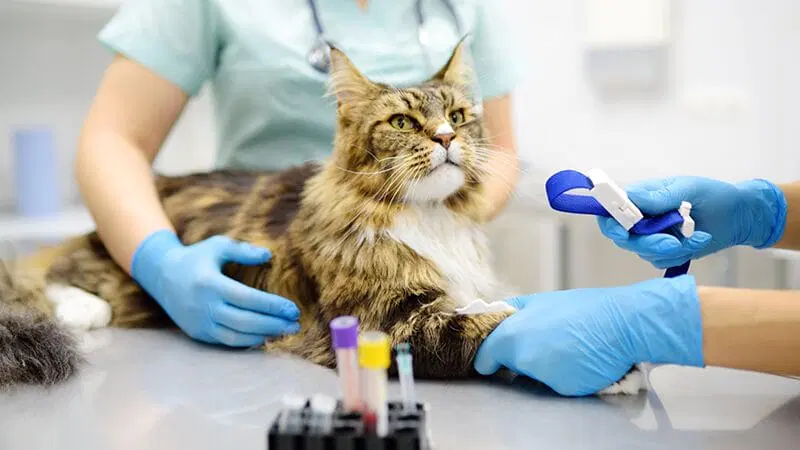
Chronic conditions in pets do not pause. They grind away at comfort, mood, and daily life. You may see small changes first. Less energy. Slower walks. Different eating habits. These signs can feel confusing or easy to dismiss. Yet they often point to pain, organ strain, or rising risk. Veterinary hospitals give you structure, answers, and a plan. You do not have to guess. Instead, you get clear tests, steady checkups, and simple steps you can follow at home. Regular care also means problems are caught early, before they explode into crises. Many families in Tomball search for help and find it through Tomball veterinary teams who see chronic issues every day. They know what works and what often fails. With their support, you can track progress, adjust treatment, and protect your pet’s comfort over time. Chronic care is not a one time fix. It is a partnership.
What Counts As A Chronic Condition
A chronic condition is a health problem that lasts for months or years. It often needs steady care instead of a single treatment. Common examples include:
- Diabetes
- Kidney disease
- Heart disease
- Arthritis and joint pain
- Allergies and skin disease
- Thyroid disease
- Chronic ear or eye problems
These problems affect how your pet eats, sleeps, moves, and plays. They also change slowly. That slow shift can fool you into thinking nothing serious is wrong.
Why Home Care Alone Is Not Enough
Love and close attention at home matter. They do not replace medical care. Chronic disease often hides inside the body. You cannot see blood sugar swings or kidney damage with your eyes. You also cannot guess safe drug doses or how two drugs might affect each other.
Veterinary hospitals use lab tests, imaging, and exams to see what you cannot. They track numbers over time. They adjust treatment when the body changes. That steady watch keeps small problems from turning into organ failure or sudden collapse.
How Veterinary Hospitals Manage Chronic Conditions
Chronic care in a veterinary hospital usually includes three parts.
- Diagnosis and staging
- Ongoing treatment and monitoring
- Home care coaching
First, the team confirms the diagnosis. They may use blood work, urine tests, x rays, or ultrasound. They then stage the disease. That means they judge how far it has gone and what body systems are involved.
Next, they set a treatment plan. This may include:
- Medications
- Therapeutic diets
- Weight control
- Pain control
- Physical therapy or joint support
- Insulin or other hormone treatment
Finally, they give you clear home steps. You may learn how to give insulin, track water intake, watch for cough or labored breathing, or keep a pain diary.
Hospital Care Versus Sporadic Home Care
The table below compares steady hospital based care with occasional home care for a pet with a chronic condition.
| Aspect | Regular Hospital Management | Home Only or Sporadic Care |
| Detection of change | Trends in labs and weight show early decline | Change seen late when signs are severe |
| Medication safety | Doses adjusted based on tests and exams | Risk of overdose or underdose |
| Emergency risk | Lower risk due to early course corrections | Higher risk of sudden crisis or hospitalization |
| Pet comfort | Pain and nausea checked and treated | Ongoing pain often missed or untreated |
| Cost over time | Planned costs and fewer emergencies | Lower short term costs but heavy crisis bills |
| Family stress | Clear plan and support from the care team | Guesswork, guilt, and fear during flare ups |
The Power Of Regular Checkups
Routine visits are the backbone of chronic care. Each visit gives a snapshot of how the disease and treatment interact. Over time, the snapshots form a story. That story shows what helps and what harms.
During checkups, staff may:
- Review symptoms and behavior
- Check weight, heart rate, and breathing
- Run blood and urine tests
- Review medications and diet
- Update the care plan
The American Veterinary Medical Association explains that early detection and steady care improve outcomes for many chronic diseases. You can read more at AVMA general pet care.
Working As A Team With Your Veterinary Hospital
Chronic care works best when you and the hospital act as a team. Each side has clear jobs.
- You watch for changes at home and share them.
- The veterinary team interprets those changes.
- Together you set goals that match your pet and your family.
You might set goals such as:
- Keep pain low enough that your dog still wants short walks.
- Keep blood sugar in a safe range with few crashes.
- Slow kidney damage so your cat keeps eating and grooming.
Those goals guide treatment choices. They also guide hard choices later. When you share the plan, you do not face those moments alone.
Planning For Costs And Long Term Care
Chronic disease often means long term costs. Regular visits, lab tests, and drugs add up. Yet unmanaged disease can lead to emergency visits that cost far more. A clear plan from your veterinary hospital helps you budget and avoid sudden shocks.
You can ask about:
- Written care plans
- Package prices for recheck visits
- Less costly but still safe drug options
- Pet insurance use and record keeping
The Centers for Disease Control and Prevention share guidance on planning for disasters with pets. That same mindset of planning ahead helps with chronic care too. You can see their advice at CDC pet emergencies.
When To Call The Veterinary Hospital Right Away
With chronic disease, some changes mean you should call at once. Examples include:
- Sudden trouble breathing
- Collapse or seizures
- Refusal to eat for a full day
- Vomiting or diarrhea that keeps going
- Fast swelling of the belly, legs, or face
- Sudden limping or cries of pain
Your hospital can tell you which signs are expected side effects and which are danger. You do not have to guess alone in the dark.
Your Role In A Long Term Partnership
Chronic conditions test patience and resolve. They also give you a chance to guard your pet’s comfort day by day. Veterinary hospitals give you tools, clear facts, and a team that stays with you. Your role is simple and strong. You show up. You ask questions. You follow the plan and speak up when something feels wrong.
With that partnership, chronic disease loses some of its power. Your pet gains more safe days, more ease, and more time with you. That outcome is worth every visit.