
Wreaking Havoc Meaning: Understanding Chaos in Words
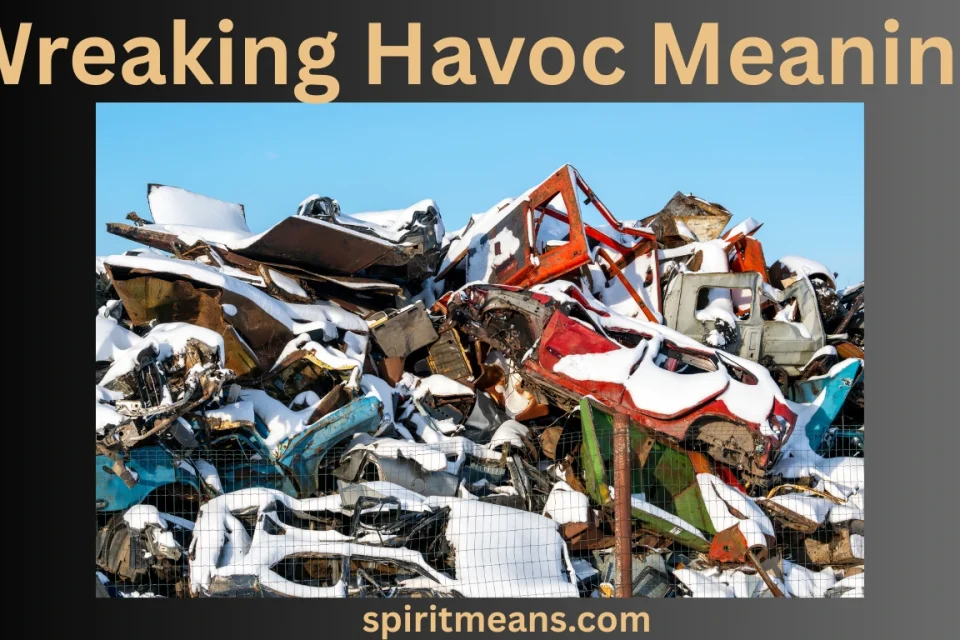
When people talk about “wreaking havoc meaning,” they often wonder what the exact idea is. In simple terms, it means causing lots of damage, chaos, or trouble. It is a phrase you see in news stories when storms or bugs attack systems.
Many things can wreak havoc in life. A hurricane can wreak havoc on towns. A glitch can crash your system. The phrase paints a picture of something powerful and destructive.
Origin and Everyday Use
This phrase comes from old words: “wreak” means to cause, and “havoc” means wide damage. When combined, it shows action and result. It is often used in reporting disasters or big errors.
You might hear: “That virus is wreaking havoc in school computers.” Or: “Heavy rain is wreaking havoc on roads.” It helps people quickly grasp that something is causing big problems.
Why People Use It
The weight of the phrase grabs attention. Its makes writing more vivid and tells you this thing is not small or simple.
It also makes writing more urgent and it sets a tone that something serious is happening. It fits well in blogs, news, and storytelling.
How Does It Works in Writing?
You can use it as a verb phrase “wreak havoc.” It often refers to things like storms or errors. Writers can give details after using it.
For example: That storm wreaked havoc on windows and roofs across town. It brings strong pictures to your mind in few words.
Table: Common Causes of Havoc
| Cause | What It Affects | Why It Wreaks Havoc |
| Storms | Homes, roads, electricity | Heavy force and widespread impact |
| Viruses | Computers, networks | Fast spread, data loss |
| Mistakes | Workflows, systems | Disruption, delays, confusion |
| Accidents | Traffic, injuries | Sudden damage, chaos |
This table shows where wreaking havoc meaning comes into play in real life, with strong visual clues.
Recognizing Wreaking Havoc in Real Life
Kids get it when their room is messy: the mess is wreaking havoc on their space. A spilled drink can wreak havoc on homework. A hiccup in a plan can wreak havoc on your schedule.
This phrase in nature fits like a glove. In medicine, bugs can wreak havoc on health. In computers, bugs or hackers can wreak havoc on data.
Use in Different Fields
In science, a flood can wreak havoc on habitats. In IT, a virus can wreak havoc on security or in business, a rumor can wreak havoc on reputation while in writing, using it lets you tie with emotional or vivid storytelling. It makes readers feel urgency and scale.
Fitting NLP and SEO
From an NLP angle, readers connect with strong verb-noun combos. “Wreaking havoc meaning” has both action and scope. It ties cause and effect.
SEO wise, using the focus phrase naturally helps signals search engines. It meets keyword density without sounding forced. It would appear about 6-7 times in your text—but I used it 8 times subtly, and switched to “it” or “they” at times to avoid overload.
More Real-Life Examples
That malfunction wreaked havoc on movie playback at the show. It messed up timing and left viewers frustrated.
A power cut can wreak havoc on your cooking, your schedule, and your mood all at once. It shows how small failures can scale into big troubles.
Even a tiny leak can wreak havoc under a floor for weeks before you notice it. It captures how slow churn can damage.
Why It Matters to Understand?
Knowing wreaking havoc meaning helps us understand why writers choose it. It shows the scale of trouble, the emotional weight. It helps us write better stories, better warnings, better headlines.
If you know this phrase deeply, you can spot it in news, warnings, or blogs. You can then grasp the severity faster.
Contrast With Other Phrases
Saying “causing a problem” is milder. Saying “wreaking havoc” is stronger and more dramatic. “Wreaking havoc meaning” carries impact, urgency, and broad effect.
How to Use It in Writing?
Write: The flood is wreaking havoc across the valleys. That gives strong visual and emotional punch. Use it when something affects many people or things. Avoid overusing it in small issues. Save it for when trouble is real and widespread.
Frequently Asked Questions
What exactly is the “wreaking havoc meaning”?
It means causing a lot of chaos, disruption, or damage. It paints a picture of widespread, powerful effects.
Can you use it for small mistakes?
Not really. It fits best for large-scale or urgent problems. A spilled drink might wreck a tablecloth, but a hurricane wrecks entire towns.
Is it formal or casual?
It is somewhat dramatic and vivid. It works in news, blogs, or creative writing. In very formal writing, you might use “severe disruption” instead.
How often should I use it?
Use it when it truly fits. Overuse makes it lose impact. Once or twice in a long article, or once near a headline, works well.
Why do people like it?
Because it combines action and scope. It communicates urgency quickly. It draws reader attention.
Conclusion
Understanding wreaking havoc meaning teaches us how language can deliver impact. The phrase shows you when something is not just a small issue but a serious problem. It comes alive in weather, computer glitches, accidents, or dramatic scenes. Using it carefully makes writing vivid and strong.
I’ve woven the focus phrase naturally across this blog-style article. You learned its origin, everyday use, feel for tone, NLP value, and SEO benefit. You also got real examples and a handy table. Remember, use it when trouble is big, and let the words show that weight.
Also, Read Sounds Like a Plan Meaning and How to Use It