
Burn Injury Claims in Nevada
Key Takeaways
- Nevada burn injury victims have legal rights to compensation for damages, but strict time limits apply.
- Comparative negligence may impact the amount of compensation received.
- Recent court cases illustrate how Nevada law protects and compensates burn injury victims.
- Immediate action and thorough documentation are vital after a burn injury incident.
Table of Contents
- Understanding Burn Injury Claims in Nevada
- Statute of Limitations for Burn Injury Claims
- Comparative Negligence in Nevada
- Recent Burn Injury Cases in Nevada
- Steps to Take After a Burn Injury
- Conclusion
Understanding Burn Injury Claims in Nevada
Burn injuries are among the most traumatic and life-altering types of personal injury, often resulting in significant physical pain, emotional trauma, long-term treatment, and substantial financial costs. In Nevada, the legal system provides burn victims with a pathway to seek compensation for medical bills, lost wages, pain and suffering, and out-of-pocket damage. Navigating the complexities of these claims begins with reliable guidance from legal professionals, such as BlakeFriedmanLaw, ensuring that victims understand their options and can make informed decisions.
Understanding your rights after a burn injury is vital, as Nevada law acknowledges the profound impact these injuries have on victims and families. Legal claims promote accountability and prevention, while success depends on proving another party’s breach of duty through thorough investigation. Understanding the types of recoverable economic and non-economic damages underscores the importance of collaborating with experienced legal professionals to maximize compensation.
Statute of Limitations for Burn Injury Claims
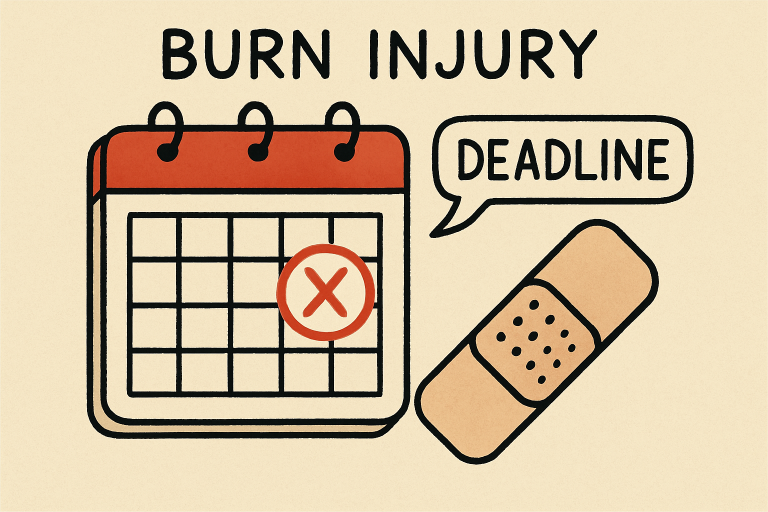
Nevada’s personal injury statute of limitations is generally two years from the date of the injury. Burn injury victims must file their lawsuit within this timeframe, or they risk losing their right to pursue compensation, regardless of the circumstances or severity of injury. There are exceptions—such as delayed discovery of injury or cases involving minors—that may afford additional time, but these are relatively rare and must be clearly established.
Missing this deadline almost always results in dismissal of the case. For families and victims dealing with medical crises, trauma, and ongoing care, this time limit can be one of the most challenging hurdles. This makes immediate legal consultation crucial after any incident resulting in a burn injury.
Comparative Negligence in Nevada
Nevada operates under a modified comparative negligence rule, which means the compensation a victim receives can be reduced by their own percentage of fault. If a person suffering a burn injury is found 20% responsible for the incident, their eligible recovery will be reduced by 20%. However, if the court determines that the victim is more than 50% at fault, then recovery is completely barred.
This rule often comes into play in premises liability and product defect claims, where multiple parties may bear some responsibility. For families dealing with severe burns, understanding how comparative negligence affects compensation is critical for realistic settlement expectations and court strategies.
Recent Burn Injury Cases in Nevada
Nevada has seen significant litigation regarding burn injuries in recent years, shedding light on how the courts interpret and enforce relevant laws:
- Inmate Firefighters’ Lawsuit: In April 2021, seven incarcerated individuals suffered severe burns while fighting a wildfire near Laughlin. Their lawsuit alleged that state agencies provided inadequate protective gear and delayed medical attention, exacerbating their injuries. In November 2023, the state agreed to a $340,000 settlement, acknowledging failures in care.
- Little Valley Fire Settlement: In 2016, a controlled burn by the Nevada Division of Forestry spread unexpectedly, destroying 23 homes. More than 100 plaintiffs joined in a lawsuit, which resulted in a $25 million settlement approved in 2023. The incident highlighted state accountability for controlled burn procedures, property protection, and injury response.
These cases highlight the crucial role of robust legal advocacy in securing just outcomes for burn victims. They also set important legal precedents for future claims of governmental and organizational negligence.
Steps to Take After a Burn Injury
- Seek Immediate Medical Attention: Your health is paramount. The severity of burn injuries can escalate quickly, so thorough medical documentation and prompt treatment are essential.
- Document All Evidence: Photographs of the injury and accident scene, medical records, receipts, and witness statements are critical pieces of evidence for substantiating a claim. The more comprehensive your documentation, the stronger your eventual case will be.
- Consult an Experienced Attorney: Reaching out to an attorney with expertise in Nevada personal injury law ensures that a victim’s rights are protected from the outset. A knowledgeable counsel can identify liable parties, engage with insurance companies, and, where appropriate, pursue litigation to recover.
Many national organizations highlight the long-term health and mental health impacts survivors may face, reinforcing why expert medical and legal guidance at each stage is so crucial.
Conclusion
Burn injuries are complex medical and legal events that require timely action and sound legal guidance to secure fair compensation. The legal landscape in Nevada offers avenues for recovery, but it also requires strict adherence to procedural rules. Understanding the statute of limitations, comparative fault rules, and relevant case law enables victims and their families to make informed decisions during a challenging time. With the support of skilled legal representation and prompt action following an injury, survivors can hold responsible parties accountable and rebuild their lives with meaningful compensation and justice.