
Innovative Solutions for Modern Commercial Roofing
Key Takeaways
- The integration of smart technologies in roofing systems enables real-time monitoring and proactive maintenance.
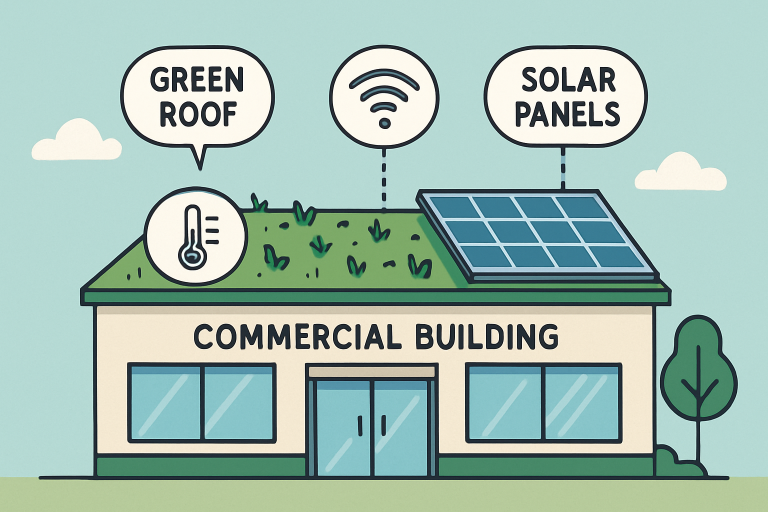
- Eco-friendly materials and designs, such as green roofs and cool roofing technologies, are gaining popularity for their environmental and economic benefits.
- Advancements in materials and installation techniques are improving the longevity and resilience of commercial roofs.
Commercial construction is evolving rapidly, and nowhere is this more evident than in the latest advancements in roofing. Cutting-edge innovations are not just boosting durability and efficiency, but also making a significant impact on sustainability and cost management. Property managers and facility owners seeking robust solutions for South Florida commercial roofing are now presented with more options than ever, all designed to meet both current demands and future expectations.
As climate concerns and economic pressures mount, the building industry is adopting smart technologies, eco-friendly designs, and advanced materials. These transformative trends offer significant benefits in terms of energy savings, resilience, and environmental compliance. The adoption of smart roofing systems, greener materials, and automated processes is already reshaping how professionals maintain, inspect, and upgrade commercial rooftops for longer-lasting, higher-performing results.
Smart Roofing Systems
Smart roofing systems leverage sensors and networked devices to provide continuous insight into a roof’s status. Integrated technologies enable real-time tracking of moisture, temperature, and the structural condition of the entire roofing assembly. Building owners and managers can detect leaks, pinpoint energy inefficiencies, and address minor problems before they escalate into costly emergencies. This predictive and preventive strategy increases the roof’s overall lifespan, reducing both liability and maintenance costs.
With the growth of the Internet of Things (IoT), rooftops can now “communicate” directly with facility managers through cloud-based dashboards and mobile alerts. This data-driven approach ensures less downtime, improved safety, and a more sustainable approach to building management.
Eco-Friendly Roofing Solutions
Environmental conservation is becoming central to commercial construction. Green roofs, which utilize plant-based systems atop commercial structures, provide robust insulation, mitigate stormwater runoff, and counteract urban heat island effects. In regions with intense sun and seasonal storms, such as South Florida, these benefits result in lower energy costs, extended building lifespan, and improved indoor comfort.
Cool roofing technology is another major trend. These systems use highly reflective materials to reduce surface temperature and minimize heat absorption. The U.S. Department of Energy reports that such roofs can lower cooling energy costs by 10-15%, offering substantial savings alongside environmental advantages. Both green and cool roofs are being incentivized by local authorities due to their energy-efficient properties.
Advanced Roofing Materials
State-of-the-art products such as ceramic tiles, polymer composites, and advanced membranes are redefining the possibilities in roof performance. These materials are engineered to deliver greater resistance against wind, water, and extreme temperature fluctuations. Additionally, they enhance acoustic insulation by controlling impact noise, making them ideal for busy commercial centers and urban areas.
The latest advances enable contractors to create roofing systems that are lighter, easier to install, and capable of withstanding severe weather patterns. The longer service life and reduced environmental footprints of these products directly translate into cost and resource savings for business owners.
Automation in Roofing Installation
With construction labor shortages and rising safety standards, automated roofing technology is making significant inroads. Robotics is now being used to perform repetitive or hazardous installation tasks—from laying membrane rolls to attaching insulation boards—under strict tolerances for quality and consistency. These systems can significantly reduce installation times, minimize the risk of human error, and lower the incidence of workplace accidents.
Beyond safety and speed, automation also allows for improved precision in projects of all scales. This technology enables contractors to maintain project timelines and deliver reliable results regardless of labor market fluctuations—factors essential for keeping up with modern construction demands.
Drone Technology for Roof Inspections
Drone technology has become a game-changer for commercial roof inspections. Equipped with 4K cameras and thermal imaging tools, drones can rapidly scan entire rooftops, capturing high-resolution data while minimizing risks to crew safety. This bird’s-eye view enables teams to identify issues such as damaged membranes, ponding water, or missing components long before they develop into major concerns.
By reducing manual inspection times and offering comprehensive documentation, drones streamline the process for insurance claims, facility audits, and bid preparations. Visual mapping aids proactive maintenance planning and offers proof of compliance for regulatory bodies.
Building Information Modeling (BIM)
Building Information Modeling (BIM) is revolutionizing the design, tracking, and maintenance of commercial roofs throughout their lifecycle. With BIM, architects, engineers, and contractors work from a unified digital model to coordinate logistics, manage material usage, and simulate roof performance. This high level of collaboration avoids miscommunication and reduces costly mistakes.
BIM is instrumental in retrofitting or upgrading older buildings, as it provides precise load and space data—essential for integrating new technologies, such as solar arrays or living roofs. By maintaining a digital record of repairs, routine maintenance, and alterations, property owners can maximize their investment and ensure optimal performance over time.
Conclusion
The commercial roofing sector is undergoing a transformative era, driven by innovative technologies and increasing demands for sustainable practices. By adopting smart systems, advanced materials, and automated solutions, today’s commercial roofs are stronger, greener, and more cost-effective than ever. Staying abreast of these advancements is crucial for building owners and contractors seeking to invest in reliable, future-proof roofing systems in an increasingly competitive landscape.
also read: Dreaming About Teeth Falling out | Different Aspects