
Redefining Senior Living: Trends, Innovations, and Quality-of-Life Strategies
Key Takeaways
- Senior living communities are evolving to prioritize independence, social connections, and holistic wellness.
- Programming and infrastructure for older adults incorporate technology and creative activities to enhance quality of life.
- Residents and families increasingly value purposeful engagement and supportive care environments.
- New approaches focus on individualized care, safety, socialization, and lifelong learning.
Table of Contents
- Changing Demographics and Modern Needs
- Independence and Community Connection
- Wellness Programs and Holistic Health
- Bringing Technology Into Senior Living
- Creative Lifestyle Activities for Residents
- Safety, Security, and Peace of Mind
- Individualized Support and Flexible Services
- Future Trends in Senior Living
- Conclusion
Changing Demographics and Modern Needs
Senior living communities are undergoing a transformation driven by unprecedented demographic shifts and evolving expectations. The fastest-growing age group in the United States, adults 65 and older, is projected to make up nearly one in five Americans by 2030, creating an urgent demand for more innovative and attentive senior care solutions. Modern seniors desire more than just a safe, comfortable residence—they want vibrant environments that promote engagement, wellness, and autonomy. This shift means facilities and care providers are reimagining their offerings to fit a spectrum of needs. Options now range from independent living arrangements to specialized services such as memory care in Visalia, CA, ensuring older adults find suitable homes regardless of their cognitive or physical requirements. Today’s seniors are looking for reassurance that their changing needs will be met not just with safety, but with dignity and enrichment. As a result, communities are increasingly incorporating holistic wellness programs, technology-driven healthcare solutions, and opportunities for lifelong learning. Families also seek peace of mind, knowing their loved ones are supported in environments that encourage social and emotional well-being. This evolving approach positions senior living communities as residences and thriving centers of connection, care, and fulfillment.
Independence and Community Connection
Maintaining autonomy remains a core desire among older adults, often ranking just as high as physical health in surveys about aging well. Senior living strategies now prioritize this by providing private living quarters integrated within thriving, social communities. This approach enables residents to make their own choices daily while fostering relationships with peers through communal dining, clubs, and shared events. Social connections have well-documented health benefits, with studies showing lower risks of depression, cognitive decline, and even heart disease among those with supportive social networks. Communities that champion interaction—such as through planned group outings, communal spaces, and partnership programs—help combat the loneliness that can sometimes accompany aging. These programs are designed to respect residents’ privacy while ensuring abundant opportunities for collaboration and friendship. As the infrastructure of senior living evolves, facilities are increasingly built to encourage both private reflection and meaningful engagement. New designs blur the lines between personal independence and community support, making day-to-day fulfillment a realistic and attainable goal for every resident.
Wellness Programs and Holistic Health
Today’s senior living communities treat wellness as a holistic endeavor—incorporating not only physical but also mental, emotional, and even spiritual well-being. Standard features include on-site fitness centers, tailored nutrition plans, and preventive health screenings. These offerings help residents sustain mobility, strength, and independence, all while reducing risks for chronic disease. Notably, mental health is receiving new emphasis. Mindfulness classes, cognitive stimulation activities, and resources for managing stress or grief are increasingly available, recognizing the crucial connection between emotional resiliency and healthy aging. Purposeful wellness programs can improve quality of life, boost longevity, and help manage or delay the progression of age-related conditions.
Bringing Technology Into Senior Living
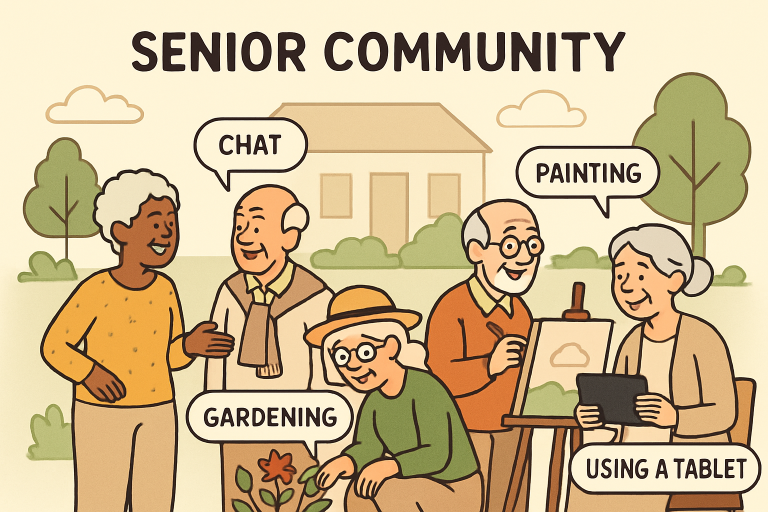
The digital revolution is making waves in senior living. From smart home features that increase safety to wearable devices for health monitoring, technology is empowering both residents and their families. Remote health consultations and telemedicine have become more accessible, allowing residents to stay on top of their healthcare without leaving their home community. Initiatives to enhance digital literacy ensure that older adults can confidently use video chat, online learning platforms, and entertainment apps. This broadens access to educational resources, family connections, and social engagement, further combating isolation. Automation, smart lighting, and voice assistants designed for ease of use all contribute to making homes both safer and more adaptable as residents age.
Creative Lifestyle Activities for Residents
A vibrant, engaging lifestyle is crucial for satisfaction in senior living. Communities now go beyond traditional bingo games and movie nights, offering gardening clubs, painting workshops, book clubs, and lifelong learning seminars. Recreational therapy, music, and volunteer opportunities help cultivate a sense of purpose and identity. Creative and social activities directly boost cognitive health and emotional well-being for seniors. By personalizing activity schedules and actively seeking resident feedback, communities can tailor offerings to match individual preferences and changing interests.
Safety, Security, and Peace of Mind
Peace of mind is built on a foundation of trust and safety. Modern senior living communities feature secure campuses, accessible emergency systems, and skilled staff trained in emergency response and fall prevention. Wellness checks, on-site healthcare, and robust communication protocols help reassure residents and their loved ones that safety is always a top priority. Family engagement is equally important. Transparent updates, regular check-ins, and opportunities for family participation in community life nurture trust and keep everyone informed about residents’ well-being and any proactive measures taken during crises or policy changes.
Individualized Support and Flexible Services
Flexibility is at the heart of individualized care. Many senior living communities offer multiple levels of care ranging from independent living to assisted and memory support, allowing residents to age in place comfortably as their needs change. Personal care plans are created in consultation with each resident and their family, encompassing health, lifestyle, and social priorities. This continuum of care supports seamless transitions when greater assistance is needed, reducing the stress of relocation and supporting strong community bonds. Customized care ensures dignity, autonomy, and a focus on personal fulfillment at every stage.
Future Trends in Senior Living
The future of senior living will be marked by a greater focus on personalization, sustainability, and intergenerational engagement. Green building designs, outdoor wellness spaces, and programs connecting residents with younger generations are all trending upward. Technological advancements will continue to play a central role, as communities explore new ways to support health, learning, and socialization while responding to unique resident voices. Industry forecasts point to adaptable, resident-centered models as the gold standard. As communities evolve, one certainty remains: a commitment to enriching the lives of seniors with both innovative support and enduring compassion.
Conclusion
Senior living communities are no longer just about providing care—they are about creating fulfilling lifestyles that honor independence, connection, and holistic well-being. With personalized support, modern technology, engaging activities, and a strong focus on safety, these communities are redefining what it means to age with dignity and purpose. As future innovations unfold, residents and families alike can look forward to environments that not only meet evolving needs but also inspire vibrant, meaningful lives at every stage.
also read: Dreaming About Teeth Falling out | Different Aspects