
Sun and Moon Meaning in Art: Interpreting Their Significance
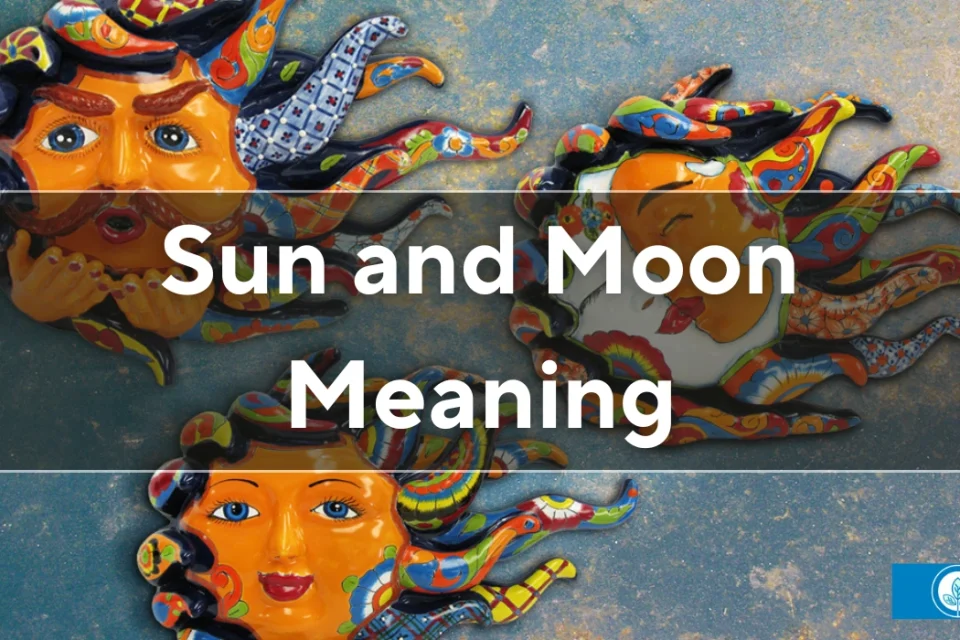
The sun and moon meaning has fascinated humanity for centuries. These two celestial bodies have not only shaped our calendars and timekeeping but also our myths, beliefs, and cultural traditions. Their presence in the sky has been a source of inspiration for poets, artists, and philosophers, each interpreting their significance in unique ways.
Historical Significance of the Sun and Moon
Throughout history, civilizations have revered the sun and moon for their roles in daily life. The sun symbolizes life, power, and energy. It rises each day, bringing light and warmth, essential for survival. Many ancient cultures, such as the Egyptians and the Aztecs, worshiped the sun as a deity. The moon, on the other hand, represents mystery, intuition, and cycles. Its phases reflect the natural rhythms of life, influencing agriculture, tides, and even human behavior.
In ancient times, people believed that the sun and moon controlled different aspects of life. The sun was often associated with daylight, clarity, and masculine energy, while the moon was linked to night, emotions, and feminine energy. This duality created a balance that many cultures saw as essential to the harmony of the universe.
Also Read: Dreaming About Teeth Falling out
Sun and Moon in Mythology and Religion
The sun and moon meaning extends deeply into mythology and religion. In many cultures, they are seen as powerful gods or divine symbols. For instance, in Greek mythology, Helios was the sun god who drove his chariot across the sky, while Selene was the moon goddess who illuminated the night.
In Hinduism, the sun is personified as Surya, the god of light, while the moon is represented by Chandra, symbolizing the mind and emotions. These deities are worshipped for their ability to influence human life and natural phenomena.
In Christianity, the sun often symbolizes God’s glory and presence, while the moon represents the Church reflecting the light of Christ. This religious symbolism highlights the importance of both celestial bodies in guiding and inspiring people.
Astrological Interpretations of the Sun and Moon
Astrology offers another layer to the sun and moon meaning. In a person’s birth chart, the sun sign represents their core identity, ego, and life purpose. It reflects how individuals express themselves and their primary drive in life. For example, a person with a Leo sun sign might be confident, ambitious, and charismatic.
The moon sign, however, reveals a person’s emotional self and inner world. It governs how we process feelings, our instinctual reactions, and our sense of security. Someone with a Cancer moon sign might be nurturing, sensitive, and deeply connected to family.
The interplay between the sun and moon in astrology shows how a person’s outward personality (sun) balances with their inner emotions (moon). Understanding both signs can provide a deeper insight into one’s character and life path.
Sun and Moon in Art and Literature
Artists and writers have long been captivated by the sun and moon meaning. Their contrasting symbolism provides a rich source of inspiration. The sun often appears as a symbol of hope, clarity, and strength in literature. It represents new beginnings and the triumph of light over darkness.
The moon, conversely, is associated with mystery, dreams, and the unconscious mind. It is frequently used to evoke feelings of romance, solitude, or melancholy. Poets like William Shakespeare and Robert Frost have used the moon to explore themes of love, change, and reflection.
In visual art, the sun and moon are depicted together to symbolize balance and duality. This theme is evident in many cultures, from ancient Chinese yin-yang symbols to modern-day tattoos that showcase the harmony between these two forces.
Scientific Perspectives on the Sun and Moon
Beyond symbolism, the sun and moon play critical roles in the natural world. The sun is a giant star at the center of our solar system, providing the energy necessary for life on Earth. It affects everything from climate to photosynthesis in plants.
The moon influences the Earth’s tides through its gravitational pull. It also stabilizes the planet’s rotation, contributing to the regularity of seasons. Without the moon, life on Earth might have evolved very differently.
Understanding the scientific importance of the sun and moon enhances our appreciation for their symbolic meanings. They are not just metaphors but real forces that shape our world.
Cultural Variations of the Sun and Moon Meaning

Different cultures interpret the sun and moon meaning in unique ways. In Japanese culture, the sun is revered as a symbol of life and renewal. The national flag, known as the “Nisshōki”, features a red sun representing the country’s nickname, “The Land of the Rising Sun”.
In contrast, Native American tribes often see the moon as a protector and guide. Many tribes have legends about the moon’s power to influence nature and human destiny. For example, the Cree tribe believes that the moon governs the rhythms of life, from hunting cycles to childbirth.
In African cultures, the sun and moon are often seen as siblings or lovers, each playing a role in maintaining cosmic balance. These stories highlight the universal appeal of the sun and moon as symbols of unity and harmony.
Sun and Moon in Modern Symbolism
In contemporary times, the sun and moon meaning continues to resonate in various ways. Many people use sun and moon symbols in tattoos, jewelry, and home decor to represent balance, duality, or personal growth.
In psychology, the sun and moon can symbolize the conscious and subconscious mind. The sun represents rational thought and self-awareness, while the moon embodies emotions, intuition, and hidden desires. This duality is essential for understanding human behavior and achieving personal harmony.
The sun and moon are also prominent in pop culture. Movies, songs, and books often use these symbols to convey themes of love, conflict, and transformation. For example, in the popular “Twilight” series, the sun and moon represent the contrast between human life and the supernatural world.
Also Read: Deeper Meaning of Pumpkins
Practical Applications of the Sun and Moon Meaning
Understanding the sun and moon meaning can have practical applications in daily life. Many people use the moon phases to guide their activities. For instance, the new moon is a time for setting intentions, while the full moon is ideal for reflection and release.
Similarly, the sun’s position can influence productivity and well-being. Aligning daily routines with natural sunlight can improve mental health, sleep patterns, and energy levels. This approach, known as circadian rhythm alignment, is gaining popularity in wellness circles.
Moreover, the symbolic meanings of the sun and moon can inspire personal growth. Embracing the sun’s qualities of confidence and clarity can help in achieving goals, while the moon’s intuitive and reflective nature encourages emotional healing and self-discovery.
Sun and Moon Symbolism in Relationships
The sun and moon meaning also plays a role in understanding relationships. The sun represents the active, outward expression of love, while the moon symbolizes the emotional, nurturing aspects. A balanced relationship often requires both partners to embody these qualities.
For example, one partner might take on the sun’s role, providing stability and direction, while the other reflects the moon’s qualities of empathy and support. This dynamic creates a harmonious relationship where both individuals feel valued and understood.
Astrologically, compatibility between sun and moon signs can offer insights into relationship dynamics. A strong connection between these signs suggests a balance of personality and emotional needs, fostering deeper intimacy and understanding.
Frequently Asked Questions
What is the symbolic meaning of the sun and moon?
The sun symbolizes life, energy, and clarity, while the moon represents intuition, emotions, and cycles. Together, they reflect balance and duality.
What do the sun and moon represent in relationships?
In relationships, the sun represents active love, strength, and guidance, while the moon symbolizes emotional connection and support, highlighting the need for balance.
How do the sun and moon influence astrology?
The sun sign reveals your core identity and ego, while the moon sign reflects your emotions and inner self, providing a fuller picture of your personality.
What is the spiritual meaning of the sun and moon?
Spiritually, the sun symbolizes consciousness and enlightenment, while the moon represents the subconscious and spiritual growth, guiding self-awareness.
Conclusion
The sun and moon meaning encompasses a rich tapestry of symbolism, science, and cultural significance. From their roles in mythology and religion to their influence in astrology and daily life, these celestial bodies represent the dual forces that shape our existence.
Understanding the meanings behind the sun and moon can inspire personal growth, improve relationships, and deepen our connection to the natural world. Whether viewed through a scientific lens or a symbolic one, the sun and moon continue to illuminate our lives in profound ways.
As we look to the skies, we are reminded of the balance and harmony that the sun and moon represent. Their presence encourages us to embrace both our strength and vulnerability, our rational mind and intuitive heart, guiding us on our journey through life.